THE ADVENTURE COLLECTIVE® · Independent discovery and booking for outdoor travel

Wander carved doors, coral-stone streets and bustling markets on a 2½-hour guided walk through Stone Town. Learn the island’s complex history—from Omani sultans to the slave trade—while sampling local flavors and architecture.
Wander carved doors, coral-stone streets and bustling markets on a 2½-hour guided walk through Stone Town. Learn the island’s complex history—from Omani sultans to the slave trade—while sampling local flavors and architecture.
You step from a narrow lane into a patchwork of carved doors, coral-stone facades and the distant scrape of dhows on the harbor. In Stone Town the city itself keeps score—every alley, balcony and market stall carries a trace of the people who traded here for centuries.
Verified experiences and guided adventures in the surrounding area.
Operated by Island Beaches and Safaris · Stone Town (Zanzibar City), Zanzibar
You step from a narrow lane into a patchwork of carved doors, coral-stone facades and the distant scrape of dhows on the harbor. In Stone Town the city itself keeps score—every alley, balcony and market stall carries a trace of the people who traded here for centuries.
This guided 2½-hour walk moves through layers of history: Omani sultans reshaped the skyline, Portuguese and later colonial powers left fortifications, and the slave trade’s legacy is marked at the former market and memorial. Geology shows itself in the coral rag blocks of the older buildings, quarried and stacked into houses that breathe with the tides. Culturally, Stone Town is Swahili — a mix of African, Arab, Indian and European influences visible in language, cuisine and mosque calls that punctuate the afternoon.
Expect cobbled alleys, tight sightlines and busy public squares. Key stops usually include the House of Wonders, Old Fort, Darajani Market and Freddie Mercury’s childhood home, with time to sample coastal street food at Forodhani Gardens. Guides explain craftsmanship—wooden door motifs are quiet records of family history—and point out conservation challenges: rising humidity, tourism wear and the need for sensitive restoration.
Practical notes: wear sturdy shoes for uneven stone, bring water and sun protection, and allow extra time for photography and narrow alleys. The tour is wheelchair-accessible in parts but includes sections with steps and tight passages. Visit early morning or late afternoon to avoid the heat and to see the waterfront come alive. This is a compact, walkable immersion into Zanzibar’s urban heart—informative, tactile and immediate.
easy.
2–3 hours.
Suitable for most people who can handle 2–3 hours of walking on uneven surfaces; bring regular mobility aids if needed.
The guided experience runs about 2½ hours, covering key sites in central Stone Town.
Yes; the route is rated easy, but some streets are uneven and there are steps at certain sites—ask about alternate routing for limited mobility.
Most itinerary stops are viewed externally; the guide will indicate if any specific admission fees are required at certain attractions.
Tipping guides and local service workers is appreciated; a small cash tip at the end is customary if you enjoyed the tour.
Stone Town developed as a major Indian Ocean trade hub under Omani rule; its architecture and markets reflect centuries of Swahili, Arab and European interactions.
Rising humidity and tourist foot traffic stress the coral-stone buildings; support locally guided tours and avoid leaning on fragile façades to help preserve the old town.
Island Beaches and Safaris operates guided outdoor trips and adventures with an emphasis on safety, stewardship, and memorable experiences.
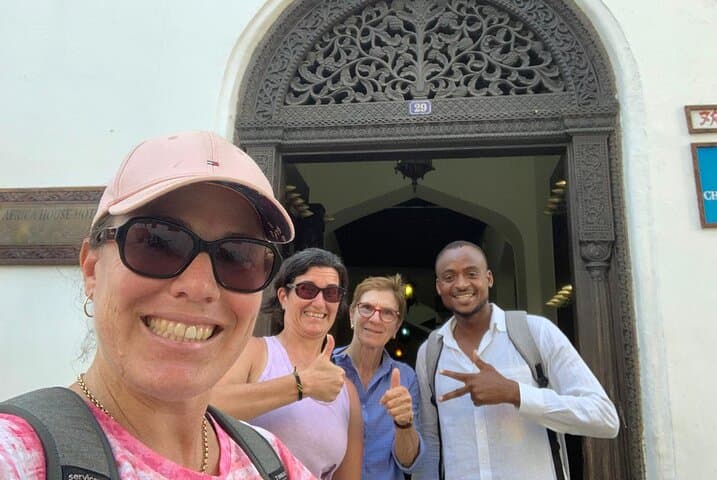

You step from a narrow lane into a patchwork of carved doors, coral-stone facades and the distant scrape of dhows on the harbor. In Stone Town the city itself keeps score—every alley, balcony and market stall carries a trace of the people who traded here for centuries.
You step from a narrow lane into a patchwork of carved doors, coral-stone facades and the distant scrape of dhows on the harbor. In Stone Town the city itself keeps score—every alley, balcony and market stall carries a trace of the people who traded here for centuries.
This guided 2½-hour walk moves through layers of history: Omani sultans reshaped the skyline, Portuguese and later colonial powers left fortifications, and the slave trade’s legacy is marked at the former market and memorial. Geology shows itself in the coral rag blocks of the older buildings, quarried and stacked into houses that breathe with the tides. Culturally, Stone Town is Swahili — a mix of African, Arab, Indian and European influences visible in language, cuisine and mosque calls that punctuate the afternoon.
Expect cobbled alleys, tight sightlines and busy public squares. Key stops usually include the House of Wonders, Old Fort, Darajani Market and Freddie Mercury’s childhood home, with time to sample coastal street food at Forodhani Gardens. Guides explain craftsmanship—wooden door motifs are quiet records of family history—and point out conservation challenges: rising humidity, tourism wear and the need for sensitive restoration.
Practical notes: wear sturdy shoes for uneven stone, bring water and sun protection, and allow extra time for photography and narrow alleys. The tour is wheelchair-accessible in parts but includes sections with steps and tight passages. Visit early morning or late afternoon to avoid the heat and to see the waterfront come alive. This is a compact, walkable immersion into Zanzibar’s urban heart—informative, tactile and immediate.