THE ADVENTURE COLLECTIVE® · Independent discovery and booking for outdoor travel

Walk the labyrinthine streets of Stone Town where coral-stone buildings, spice stalls and rooftop views tell the island’s layered history. This guided tour pairs museum visits and market stops with a typically Swahili lunch—ideal for travelers who want context and flavor in one half-day outing.
Walk the labyrinthine streets of Stone Town where coral-stone buildings, spice stalls and rooftop views tell the island’s layered history. This guided tour pairs museum visits and market stops with a typically Swahili lunch—ideal for travelers who want context and flavor in one half-day outing.
You step from the humid harbor air into a lane where carved wooden doors lean over pillared verandas and sunlight fractures into shadowed alleys. The pace slows: the sound of vendors becomes a rhythm, the scent of clove and grilled fish pulls you toward Darajani Market, and a guide points out the latticework that marks merchant houses.
Verified experiences and guided adventures in the surrounding area.
Operated by Wise Tour Guide · Stone Town, Zanzibar
You step from the humid harbor air into a lane where carved wooden doors lean over pillared verandas and sunlight fractures into shadowed alleys. The pace slows: the sound of vendors becomes a rhythm, the scent of clove and grilled fish pulls you toward Darajani Market, and a guide points out the latticework that marks merchant houses.
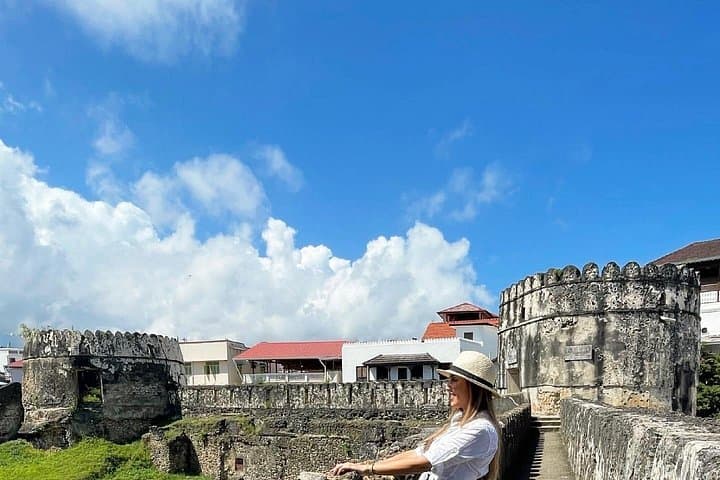
Stone Town is compact but layered—centuries of Omani, Persian, Indian and European contact etched into coral-stone façades, narrow mangled streets and broad seafront promenades. The House of Wonders (Beit al Ajaib) and the Old Fort show how trade, power and early electrification shaped the island; the Slave Market Museum is a sober counterpoint, a reminder of Zanzibar’s role in the Indian Ocean slave trade and the long arc of abolition. Geologically the island sits on uplifted coral and shells, which gave rise to its distinctive building material and porous coastal ground.
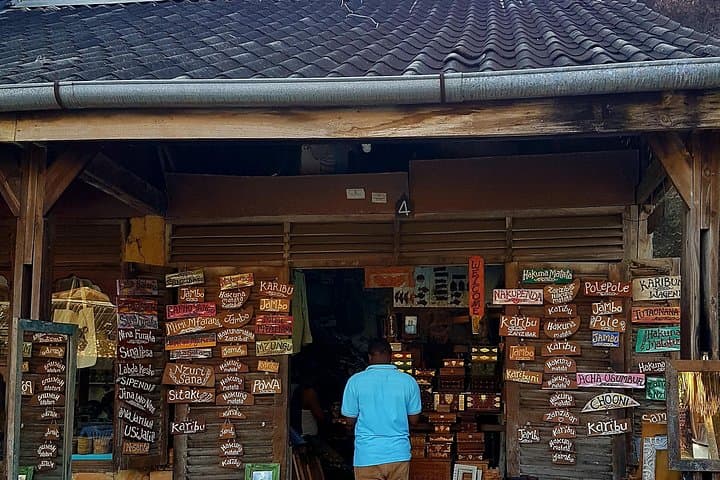
A walking tour with a Swahili lunch stitches cultural context to sensory experience: spice stalls, rooftop vistas over the harbor, the small but fervent Freddie Mercury exhibits, and a packed local canteen serving pilau and seafood curry. Expect uneven flagstones, short climbs to rooftop cafés for views, and narrow passageways where a hat and steady footing matter.
Practical guidance: bring water, sun protection and modest clothing for mosque-adjacent sites; budget small bills for market purchases and museum donations. Morning tours dodge the hottest hours and the busiest afternoon crowds. If you’re curious about spices or local music, ask your guide to point out specific stalls or a taarab performance; the local stories often outshine the plaques.
easy.
4–5 hours.
Suitable for most travelers who can walk on uneven surfaces for several hours; minimal endurance required.
Yes—this tour includes a typically Swahili lunch, often featuring pilau, seafood curry and local sides; bottled water is provided.
The operator lists wheelchair accessibility for some areas, but Stone Town’s historic lanes and some museums have steps—check in advance for specific accessibility needs.
Meeting points are typically in central Stone Town near the Old Fort or a designated hotel pickup; your confirmation will state the exact location and guide contact details.
Tipping is discretionary; a common guideline is 10–15% of the tour cost or a modest cash amount per person, depending on service and local custom.
Stone Town grew as a hub of the Indian Ocean spice and slave trades; its architecture reflects Omani Arab rule and later European influences, earning UNESCO status in 2000.
Stone Town faces preservation pressures from tourism and coastal erosion; support local guides, avoid single-use plastics, and respect fragile historic fabric to minimize impact.
Wise Tour Guide operates guided outdoor trips and adventures with an emphasis on safety, stewardship, and memorable experiences.

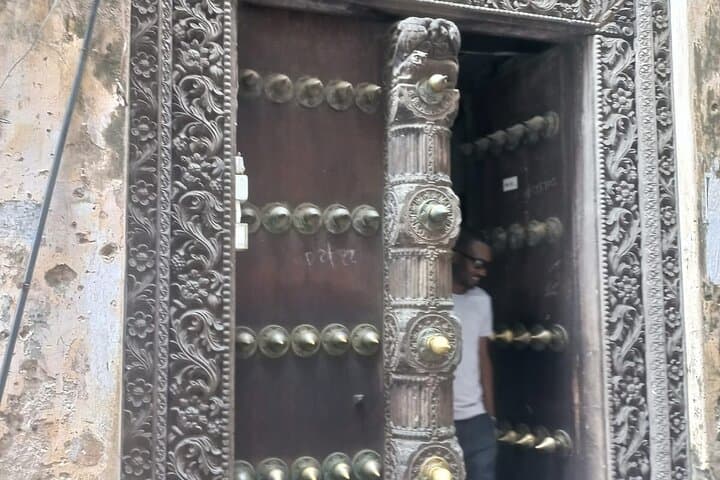
You step from the humid harbor air into a lane where carved wooden doors lean over pillared verandas and sunlight fractures into shadowed alleys. The pace slows: the sound of vendors becomes a rhythm, the scent of clove and grilled fish pulls you toward Darajani Market, and a guide points out the latticework that marks merchant houses.
You step from the humid harbor air into a lane where carved wooden doors lean over pillared verandas and sunlight fractures into shadowed alleys. The pace slows: the sound of vendors becomes a rhythm, the scent of clove and grilled fish pulls you toward Darajani Market, and a guide points out the latticework that marks merchant houses.
Stone Town is compact but layered—centuries of Omani, Persian, Indian and European contact etched into coral-stone façades, narrow mangled streets and broad seafront promenades. The House of Wonders (Beit al Ajaib) and the Old Fort show how trade, power and early electrification shaped the island; the Slave Market Museum is a sober counterpoint, a reminder of Zanzibar’s role in the Indian Ocean slave trade and the long arc of abolition. Geologically the island sits on uplifted coral and shells, which gave rise to its distinctive building material and porous coastal ground.
A walking tour with a Swahili lunch stitches cultural context to sensory experience: spice stalls, rooftop vistas over the harbor, the small but fervent Freddie Mercury exhibits, and a packed local canteen serving pilau and seafood curry. Expect uneven flagstones, short climbs to rooftop cafés for views, and narrow passageways where a hat and steady footing matter.
Practical guidance: bring water, sun protection and modest clothing for mosque-adjacent sites; budget small bills for market purchases and museum donations. Morning tours dodge the hottest hours and the busiest afternoon crowds. If you’re curious about spices or local music, ask your guide to point out specific stalls or a taarab performance; the local stories often outshine the plaques.