THE ADVENTURE COLLECTIVE® · Independent discovery and booking for outdoor travel

Explore Stone Town’s alleys, forts, and market life, then cross to Prison Island to meet giant tortoises and snorkel coral shallows. This compact half-day combines cultural history with seaside nature and practical conservation support.
Explore Stone Town’s alleys, forts, and market life, then cross to Prison Island to meet giant tortoises and snorkel coral shallows. This compact half-day combines cultural history with seaside nature and practical conservation support.
The morning air off Stone Town tastes of salt and cloves; narrow alleys open into courtyards where the city’s carved doors catch early light. From the Old Fort you step into a living map of trade routes—Omani, Indian and European influences pressed into plaster and brass—before boarding a short boat ride to Prison Island (Changuu), where giant tortoises sun themselves on a white sand fringe.
Verified experiences and guided adventures in the surrounding area.
Operated by Bookings Central Tours & Safari · Stone Town, Zanzibar (Unguja)
The morning air off Stone Town tastes of salt and cloves; narrow alleys open into courtyards where the city’s carved doors catch early light. From the Old Fort you step into a living map of trade routes—Omani, Indian and European influences pressed into plaster and brass—before boarding a short boat ride to Prison Island (Changuu), where giant tortoises sun themselves on a white sand fringe.
Stone Town grew as an Indian Ocean entrepôt: coral rag architecture, brass-studded doors and the Anglican cathedral that marks the old slave market are physical reminders of commerce and conflict. Geologically, Unguja’s coastline is a mix of coral limestone and sandy spits; currents around Changuu shape shallow reefs that support reef fish and foraging shorebirds. Culturally, bazaars hum with bargaining, spice sellers call out blends used in Swahili cooking, and museums like Freddie Mercury’s childhood home add human stories to the streets.
On this half-day loop expect roughly two hours exploring Stone Town’s principal sites, a 20–30 minute boat transfer each way, and about 90–120 minutes on Prison Island for tortoise encounters, a short snorkel and beach time. Practical notes: wear sturdy walking shoes for uneven streets, bring reef-safe sunscreen, and carry local cash for small purchases. The tour includes bottled water, hotel pickup, and Blue Economy Conservation fees that support local marine work.
Timing matters—mornings are cooler for walking and afternoons offer calmer water for snorkeling. Respect local customs at religious sites and follow no-touch rules around the tortoises and reef.
easy.
5 hours.
Light walking on uneven streets and short boat transfer; suitable for most fitness levels
The motorboat crossing from Stone Town to Prison Island typically takes 20–30 minutes each way, depending on sea conditions.
Yes—Prison Island has basic visitor facilities and shaded areas, but bring water and essentials as amenities are limited.
Yes; the tour notes special infant seats and is classified as physically easy, but supervision during boat transfers and on the beach is required.
Tanzanian shillings are widely used; major vendors may accept cards, but small purchases and tips are easiest with cash.
Stone Town served as a major Indian Ocean trading hub under Omani rule; its architecture reflects Arab, Persian, Indian and European influences and a fraught history tied to the slave trade.
Blue Economy Conservation fees contributed by tours support local marine protection; visitors should use reef-safe products and avoid touching coral or wildlife.
Bookings Central Tours & Safari operates guided outdoor trips and adventures with an emphasis on safety, stewardship, and memorable experiences.
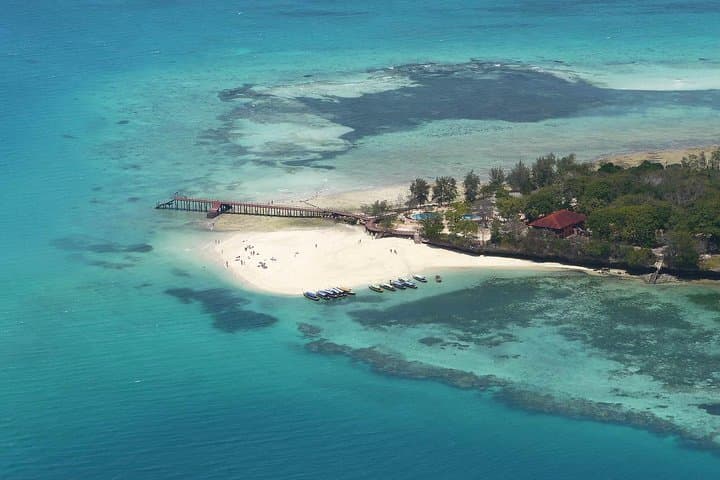

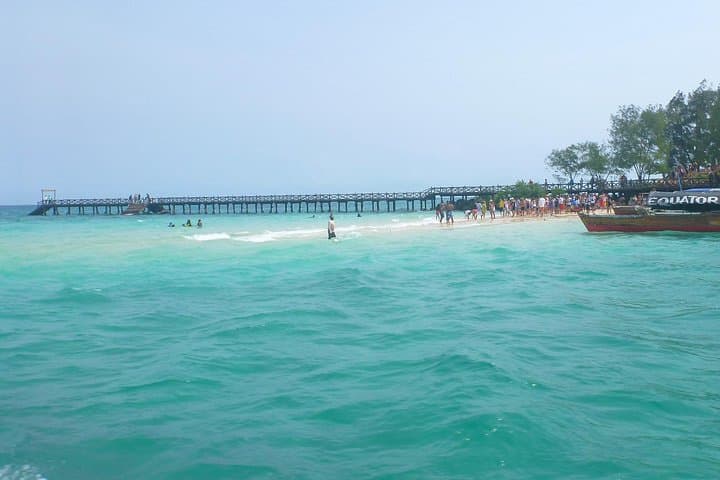
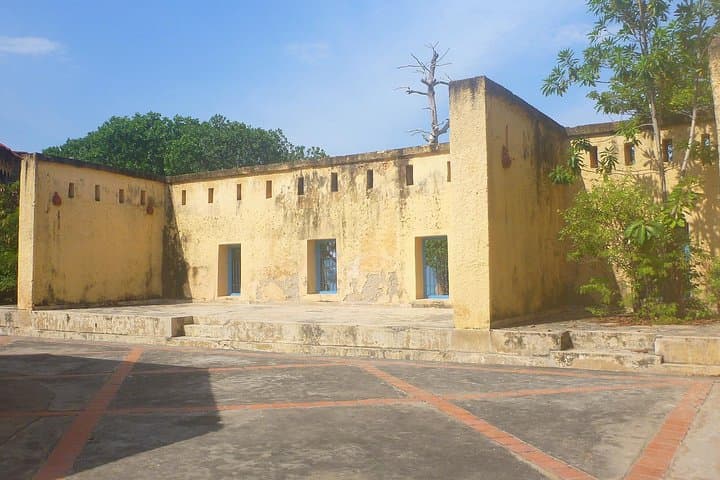
The morning air off Stone Town tastes of salt and cloves; narrow alleys open into courtyards where the city’s carved doors catch early light. From the Old Fort you step into a living map of trade routes—Omani, Indian and European influences pressed into plaster and brass—before boarding a short boat ride to Prison Island (Changuu), where giant tortoises sun themselves on a white sand fringe.
The morning air off Stone Town tastes of salt and cloves; narrow alleys open into courtyards where the city’s carved doors catch early light. From the Old Fort you step into a living map of trade routes—Omani, Indian and European influences pressed into plaster and brass—before boarding a short boat ride to Prison Island (Changuu), where giant tortoises sun themselves on a white sand fringe.
Stone Town grew as an Indian Ocean entrepôt: coral rag architecture, brass-studded doors and the Anglican cathedral that marks the old slave market are physical reminders of commerce and conflict. Geologically, Unguja’s coastline is a mix of coral limestone and sandy spits; currents around Changuu shape shallow reefs that support reef fish and foraging shorebirds. Culturally, bazaars hum with bargaining, spice sellers call out blends used in Swahili cooking, and museums like Freddie Mercury’s childhood home add human stories to the streets.
On this half-day loop expect roughly two hours exploring Stone Town’s principal sites, a 20–30 minute boat transfer each way, and about 90–120 minutes on Prison Island for tortoise encounters, a short snorkel and beach time. Practical notes: wear sturdy walking shoes for uneven streets, bring reef-safe sunscreen, and carry local cash for small purchases. The tour includes bottled water, hotel pickup, and Blue Economy Conservation fees that support local marine work.
Timing matters—mornings are cooler for walking and afternoons offer calmer water for snorkeling. Respect local customs at religious sites and follow no-touch rules around the tortoises and reef.