THE ADVENTURE COLLECTIVE® · Independent discovery and booking for outdoor travel

Walk from modern Skopje across the Stone Bridge into the Old Bazaar with local and expat guides who mix architecture, foodways, and practical city customs. In about 3.5 hours you’ll sample streetside bites, Ottoman courtyards, and Yugoslav-era landmarks with explanations that make local life easy to read.
Walk from modern Skopje across the Stone Bridge into the Old Bazaar with local and expat guides who mix architecture, foodways, and practical city customs. In about 3.5 hours you’ll sample streetside bites, Ottoman courtyards, and Yugoslav-era landmarks with explanations that make local life easy to read.
You step off the modern riverside promenade and the Vardar immediately reasserts itself—cool current nudging under the stone span that has linked two faces of the city for centuries. Guides fall into step: one born to these streets, one an expat versed in foodways, and both narrate the route like a map of daily life—from trampling footsteps on cobbles to the steam of fresh burek.
Verified experiences and guided adventures in the surrounding area.
Operated by Sincerely, Macedonia · Skopje, Skopje
You step off the modern riverside promenade and the Vardar immediately reasserts itself—cool current nudging under the stone span that has linked two faces of the city for centuries. Guides fall into step: one born to these streets, one an expat versed in foodways, and both narrate the route like a map of daily life—from trampling footsteps on cobbles to the steam of fresh burek.
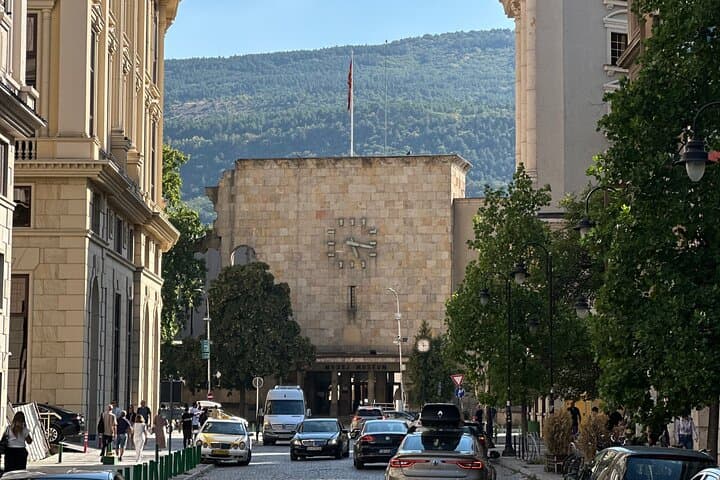
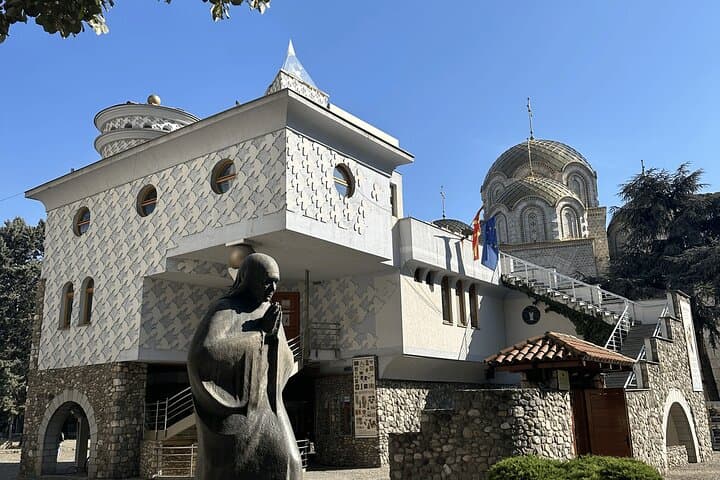
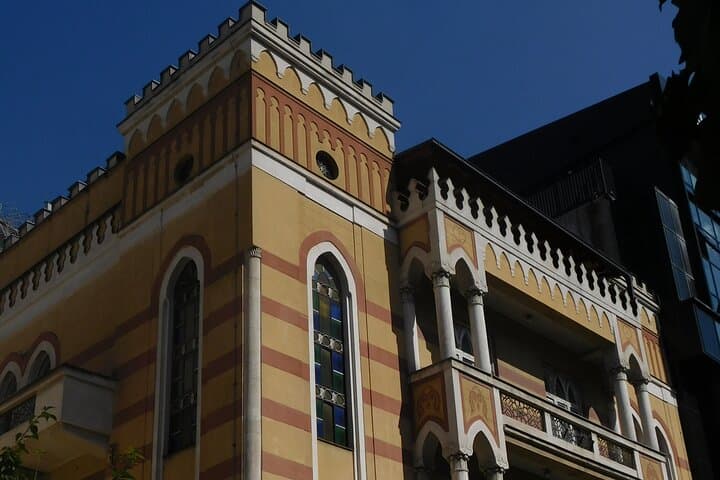
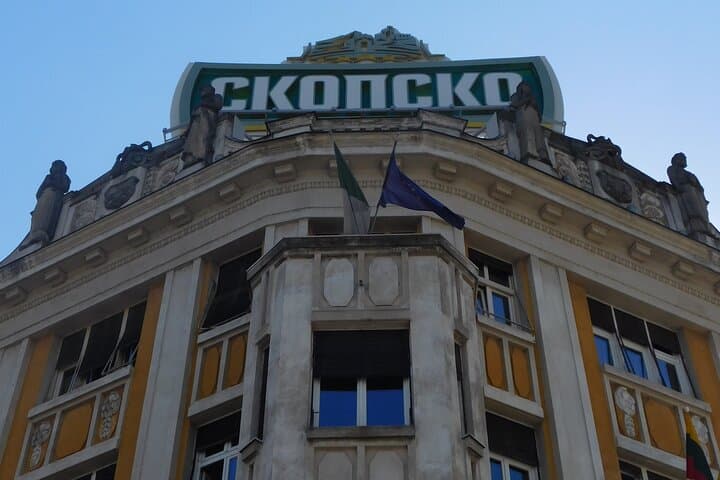
Skopje sits in the Vardar valley where riverine forces and human hands shaped a city of layered histories. Ottoman caravanserais and the Old Bazaar survive alongside Yugoslav modernism—think lotus-shaped post office and angular postwar cathedrals—each building a chapter in a compact walk. You’ll pass the Old Railway Station and Mother Teresa’s memorial house, cross the iconic Stone Bridge, and find hidden courtyards where centuries-old sweets are still made to order.
The route is curated for clarity: relaxed pace, short stair sections, and cobblestones that reward steady footing. Stops include an admission site and vetted food corners where guides explain how locals order, tip, and pair dishes. Small groups and multilingual guides keep conversation personal and photo stops plentiful.
Practical beat: wear stable shoes for uneven stone, bring water and a light layer for river breezes, and plan for about 3.5 hours. Public transport accesses the meeting point; the tour offers instant confirmation and includes some entrance tickets. This is an efficient primer on Skopje—equal parts architecture primer, food lesson, and living-history walk—ideal for a first-time visitor who wants to feel the city underfoot, not from behind a windshield.
moderate.
3–4 hours.
Moderate fitness: able to walk 3–4 miles over uneven cobbles and climb short flights of stairs without difficulty.
The tour lasts about 210 minutes (3.5 hours) at a relaxed walking pace with several 10–20 minute stops for storytelling and photos.
Some entrance tickets are included as noted in the itinerary; your booking confirmation will list which sites are covered.
Yes—groups are small and the pace is gentle, but participants should manage cobblestones and short stairs; disclose mobility concerns when booking.
The tour runs in multiple languages; booking options indicate the available language for your scheduled departure.
Skopje’s urban fabric reflects Ottoman mercantile roots layered with 20th-century Yugoslav rebuilding; the Stone Bridge itself links the city’s medieval core to its newer districts.
Local efforts focus on preserving the Old Bazaar’s historic fabric and modest river-cleanup initiatives along the Vardar to improve water quality and urban biodiversity.
Sincerely, Macedonia operates guided outdoor trips and adventures with an emphasis on safety, stewardship, and memorable experiences.
You step off the modern riverside promenade and the Vardar immediately reasserts itself—cool current nudging under the stone span that has linked two faces of the city for centuries. Guides fall into step: one born to these streets, one an expat versed in foodways, and both narrate the route like a map of daily life—from trampling footsteps on cobbles to the steam of fresh burek.
You step off the modern riverside promenade and the Vardar immediately reasserts itself—cool current nudging under the stone span that has linked two faces of the city for centuries. Guides fall into step: one born to these streets, one an expat versed in foodways, and both narrate the route like a map of daily life—from trampling footsteps on cobbles to the steam of fresh burek.
Skopje sits in the Vardar valley where riverine forces and human hands shaped a city of layered histories. Ottoman caravanserais and the Old Bazaar survive alongside Yugoslav modernism—think lotus-shaped post office and angular postwar cathedrals—each building a chapter in a compact walk. You’ll pass the Old Railway Station and Mother Teresa’s memorial house, cross the iconic Stone Bridge, and find hidden courtyards where centuries-old sweets are still made to order.
The route is curated for clarity: relaxed pace, short stair sections, and cobblestones that reward steady footing. Stops include an admission site and vetted food corners where guides explain how locals order, tip, and pair dishes. Small groups and multilingual guides keep conversation personal and photo stops plentiful.
Practical beat: wear stable shoes for uneven stone, bring water and a light layer for river breezes, and plan for about 3.5 hours. Public transport accesses the meeting point; the tour offers instant confirmation and includes some entrance tickets. This is an efficient primer on Skopje—equal parts architecture primer, food lesson, and living-history walk—ideal for a first-time visitor who wants to feel the city underfoot, not from behind a windshield.