THE ADVENTURE COLLECTIVE® · Independent discovery and booking for outdoor travel

Escape Dubrovnik for a private day exploring Ston's medieval walls, 2,000-year-old salt pans, and the historic Trsteno Arboretum. This six- to seven-hour Mercedes-supported excursion mixes gentle walking with cultural and culinary highlights.
Escape Dubrovnik for a private day exploring Ston's medieval walls, 2,000-year-old salt pans, and the historic Trsteno Arboretum. This six- to seven-hour Mercedes-supported excursion mixes gentle walking with cultural and culinary highlights.
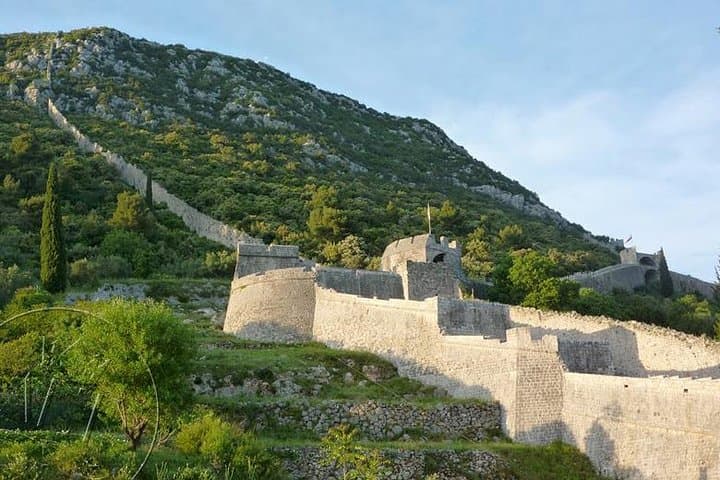
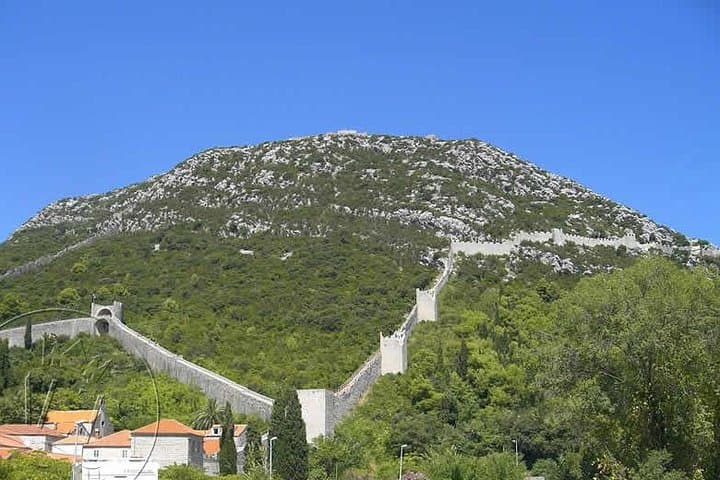
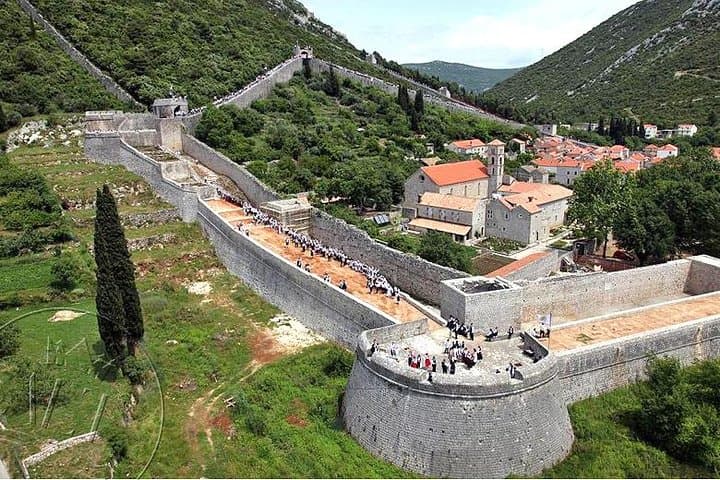
You pull away from Dubrovnik's stone edge and the Adriatic unfurls like an invitation — blue that dares you to look farther. The Mercedes glides up the Pelješac spine, easing into narrow lanes where salt-sweet air from the Ston flats finds its way into the cabin. In Ston, the medieval walls rise beside the harbor, a deliberate human line that once guarded salt and trade; walking them gives scale to centuries of coastal strategy.
Verified experiences and guided adventures in the surrounding area.
Operated by Adria Luxury Travel d.o.o. · Ston, Dubrovnik-Neretva County
You pull away from Dubrovnik's stone edge and the Adriatic unfurls like an invitation — blue that dares you to look farther. The Mercedes glides up the Pelješac spine, easing into narrow lanes where salt-sweet air from the Ston flats finds its way into the cabin. In Ston, the medieval walls rise beside the harbor, a deliberate human line that once guarded salt and trade; walking them gives scale to centuries of coastal strategy.
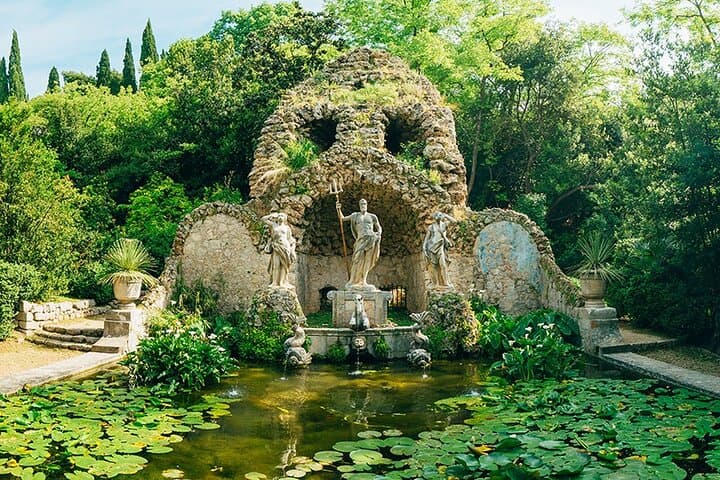
Ston's 14th-century ramparts, among Europe's longest, were built to protect a vital salt economy still visible in geometric pans that glitter when the sun hits. Further along, Trsteno Arboretum offers a different kind of history: Renaissance-era plantings and shaded alleys where exotic trees brought by seafaring merchants shade stone fountains. Geology here is simple and rugged — karst limestone shaping narrow bays and fertile pockets where gardens thrive.
Culture is tangible: oysters on a plate, salt harvested by hand, and small-family producers who read the seasons closely. Expect easy walks — cobbled streets and maintained paths — with short uphill climbs on the walls and soft, root-lined trails under the arboretum canopy.
Practical guidance: wear sturdy walking shoes, bring layered sun protection and water, and allow six to seven hours for a relaxed pace with time for tastings or photos. Morning light favors the walls; late afternoon softens the arboretum. Because tours are private and limited to small groups, plan pickups with your operator and carry local currency for markets. This trip blends coastal history, cultivated green spaces, and tactile encounters with working salt and sea.
easy.
6–7 hours.
Suitable for most fitness levels; involves walking on uneven historic cobbles and short climbs on the walls.
Typical duration is 6–7 hours including hotel pickup, drives, and relaxed time at Ston and Trsteno.
Admissions are generally not included; check with the operator about any entrance fees or guided access.
Yes — the tour is listed as easy and suitable for most fitness levels, though some sections have stairs and uneven surfaces.
Yes — itineraries commonly include time to view the salt pans and sample oysters at local vendors, weather and scheduling permitting.
Ston’s walls date to the 14th century and were built to protect valuable salt pans; Trsteno Arboretum originated as a Renaissance garden tied to Dubrovnik’s seafaring elite.
Local salt pans and the arboretum are managed as cultural landscapes; visitors are encouraged to stick to paths and avoid disturbing salt-harvesting operations.
Adria Luxury Travel d.o.o. operates guided outdoor trips and adventures with an emphasis on safety, stewardship, and memorable experiences.
You pull away from Dubrovnik's stone edge and the Adriatic unfurls like an invitation — blue that dares you to look farther. The Mercedes glides up the Pelješac spine, easing into narrow lanes where salt-sweet air from the Ston flats finds its way into the cabin. In Ston, the medieval walls rise beside the harbor, a deliberate human line that once guarded salt and trade; walking them gives scale to centuries of coastal strategy.
You pull away from Dubrovnik's stone edge and the Adriatic unfurls like an invitation — blue that dares you to look farther. The Mercedes glides up the Pelješac spine, easing into narrow lanes where salt-sweet air from the Ston flats finds its way into the cabin. In Ston, the medieval walls rise beside the harbor, a deliberate human line that once guarded salt and trade; walking them gives scale to centuries of coastal strategy.
Ston's 14th-century ramparts, among Europe's longest, were built to protect a vital salt economy still visible in geometric pans that glitter when the sun hits. Further along, Trsteno Arboretum offers a different kind of history: Renaissance-era plantings and shaded alleys where exotic trees brought by seafaring merchants shade stone fountains. Geology here is simple and rugged — karst limestone shaping narrow bays and fertile pockets where gardens thrive.
Culture is tangible: oysters on a plate, salt harvested by hand, and small-family producers who read the seasons closely. Expect easy walks — cobbled streets and maintained paths — with short uphill climbs on the walls and soft, root-lined trails under the arboretum canopy.
Practical guidance: wear sturdy walking shoes, bring layered sun protection and water, and allow six to seven hours for a relaxed pace with time for tastings or photos. Morning light favors the walls; late afternoon softens the arboretum. Because tours are private and limited to small groups, plan pickups with your operator and carry local currency for markets. This trip blends coastal history, cultivated green spaces, and tactile encounters with working salt and sea.