THE ADVENTURE COLLECTIVE® · Independent discovery and booking for outdoor travel

Turn a long transfer into a full-day coastal discovery: walk Ston’s medieval walls, taste Pelješac’s bold reds, and sample oysters beside the sea en route from Dubrovnik to Split. Practical tips and local context help you plan the day.
Turn a long transfer into a full-day coastal discovery: walk Ston’s medieval walls, taste Pelješac’s bold reds, and sample oysters beside the sea en route from Dubrovnik to Split. Practical tips and local context help you plan the day.
A low, salt-scented wind greets the van as it leaves Dubrovnik’s stone edges and follows the coast toward Ston. Travelers step out onto narrow streets that rise beside medieval ramparts; gulls argue over shrimp while old salt pans glitter like low mirrors.
Verified experiences and guided adventures in the surrounding area.
Operated by Dubrovnik Day Trips · Dubrovnik, Dubrovnik-Neretva County
A low, salt-scented wind greets the van as it leaves Dubrovnik’s stone edges and follows the coast toward Ston. Travelers step out onto narrow streets that rise beside medieval ramparts; gulls argue over shrimp while old salt pans glitter like low mirrors.
Ston’s walls—expanded in the 14th and 15th centuries to protect the Republic of Ragusa’s salt trade—frame short, even walks and panoramic views of the Pelješac Channel. The peninsula that follows is a sweep of karst slopes and terraced vineyards where Dingač and Postup vineyards cling to steep limestone, producing robust Plavac Mali and other local reds.
Culturally, the day stitches maritime oyster farming and millennia-old salt production to a living wine economy. Expect hands-on tasting rooms in family-run wineries and an oyster stop at Mali Ston where farmers lift the day’s catch from shallow racks.
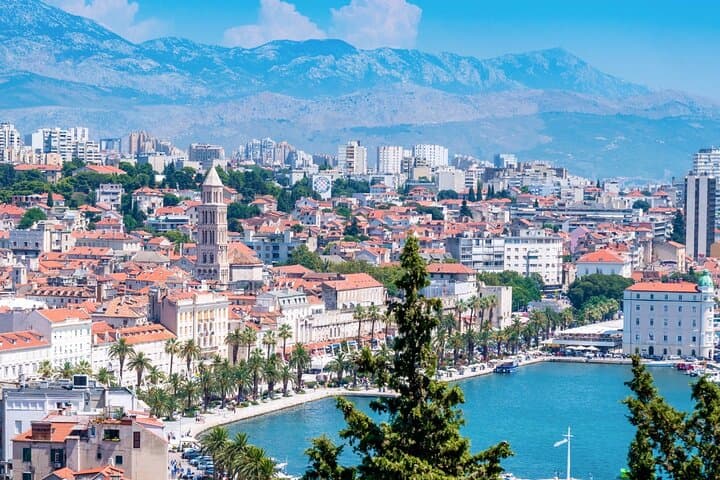
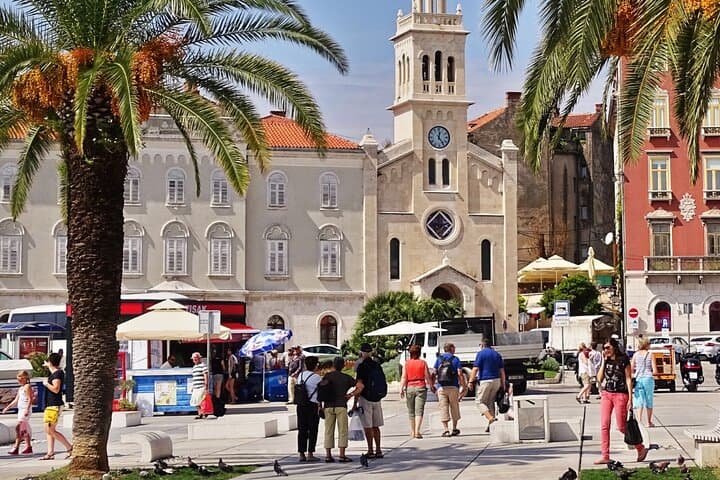
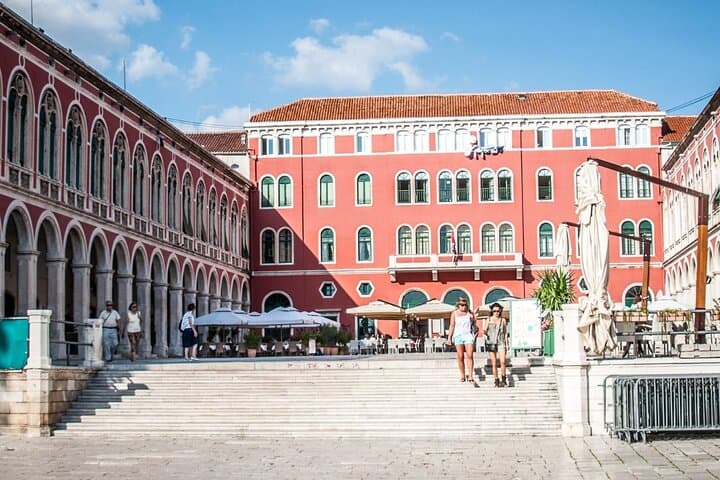
Practically, this is a mostly seated full-day private transfer with several short, paved or cobbled walks and winery visits. Terrain is coastal roads and village streets—not rugged—but uneven underfoot. Hydrate for sun exposure, wear comfortable walking shoes with grip for cobblestones, and carry a light layer for sea breezes. Plan tasting orders if you have allergies; oyster farms are outdoors and can be windy. The route finishes in Split, giving a late-afternoon arrival with time to stroll Diocletian’s Palace or the Riva.
This trip converts a transfer into a compact survey of Dalmatian coastal history, geology, and food culture—accessible, sensory, and grounded in regional producers.
easy.
10–11 hours.
Suitable for travelers in average fitness; mostly seated transport with short, easy walks on cobblestones and paved paths.
Pickup is arranged from Dubrovnik; confirm your preferred pickup point when booking—central hotels and designated meeting points are typical.
Tastings at selected family wineries and an oyster stop are included as part of the tour, though some specific cellar fees may vary by host.
Yes—tour operators provide infant seats and the day has low physical demands, though tasting portions are geared to adults.
This is a private tour/transfer designed with stops; if you prefer fewer stops, discuss a customized itinerary with the operator at booking.
Ston’s defensive walls and salt pans grew under the medieval Republic of Ragusa; control of salt shaped the local economy for centuries.
Coastal ecosystems and oyster farms are sensitive—support small producers, avoid single-use plastics, and follow guidance at marine farms to minimize disturbance.
Dubrovnik Day Trips operates guided outdoor trips and adventures with an emphasis on safety, stewardship, and memorable experiences.

A low, salt-scented wind greets the van as it leaves Dubrovnik’s stone edges and follows the coast toward Ston. Travelers step out onto narrow streets that rise beside medieval ramparts; gulls argue over shrimp while old salt pans glitter like low mirrors.
A low, salt-scented wind greets the van as it leaves Dubrovnik’s stone edges and follows the coast toward Ston. Travelers step out onto narrow streets that rise beside medieval ramparts; gulls argue over shrimp while old salt pans glitter like low mirrors.
Ston’s walls—expanded in the 14th and 15th centuries to protect the Republic of Ragusa’s salt trade—frame short, even walks and panoramic views of the Pelješac Channel. The peninsula that follows is a sweep of karst slopes and terraced vineyards where Dingač and Postup vineyards cling to steep limestone, producing robust Plavac Mali and other local reds.
Culturally, the day stitches maritime oyster farming and millennia-old salt production to a living wine economy. Expect hands-on tasting rooms in family-run wineries and an oyster stop at Mali Ston where farmers lift the day’s catch from shallow racks.
Practically, this is a mostly seated full-day private transfer with several short, paved or cobbled walks and winery visits. Terrain is coastal roads and village streets—not rugged—but uneven underfoot. Hydrate for sun exposure, wear comfortable walking shoes with grip for cobblestones, and carry a light layer for sea breezes. Plan tasting orders if you have allergies; oyster farms are outdoors and can be windy. The route finishes in Split, giving a late-afternoon arrival with time to stroll Diocletian’s Palace or the Riva.
This trip converts a transfer into a compact survey of Dalmatian coastal history, geology, and food culture—accessible, sensory, and grounded in regional producers.