THE ADVENTURE COLLECTIVE® · Independent discovery and booking for outdoor travel

Taste freshly opened oysters and traditional mussel bužara on the shores of Mali Ston, then sip Pelješac wine at a family winery. This half-day tour pairs coastal aquaculture with regional history and hands-on food experiences.
Taste freshly opened oysters and traditional mussel bužara on the shores of Mali Ston, then sip Pelješac wine at a family winery. This half-day tour pairs coastal aquaculture with regional history and hands-on food experiences.
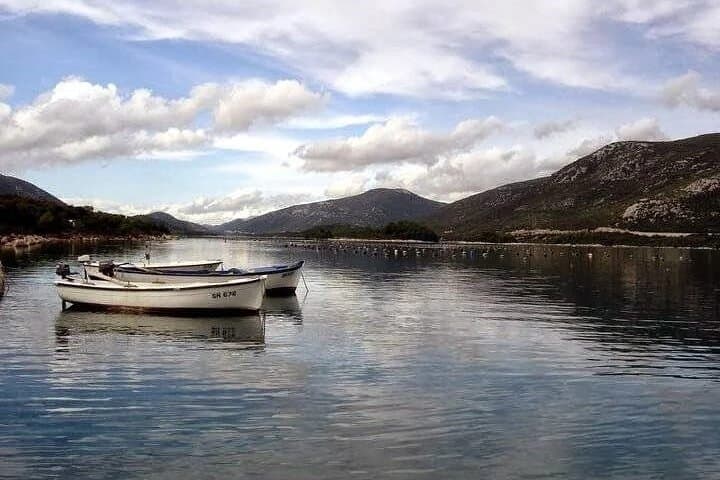
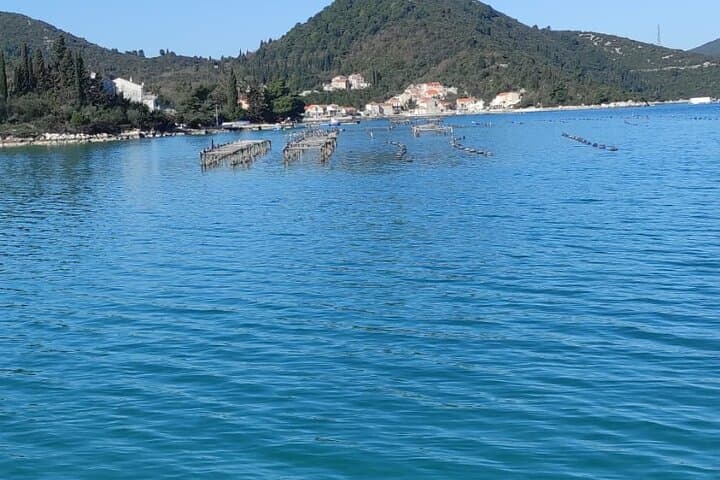
You arrive along the narrow road that rims the Bay of Mali Ston, wind carrying the briny tang of the Adriatic and the faint smoke from seaside kitchens. Low, glassy water laps the racks where oysters lie in tidy rows; family members move with practiced economy, opening shells and sliding flesh onto a plate. The soundscape is simple — gull calls, the clink of cutlery, and distant footsteps on the medieval Walls of Ston.
Verified experiences and guided adventures in the surrounding area.
Operated by Pero B. · Ston, Dubrovnik-Neretva
You arrive along the narrow road that rims the Bay of Mali Ston, wind carrying the briny tang of the Adriatic and the faint smoke from seaside kitchens. Low, glassy water laps the racks where oysters lie in tidy rows; family members move with practiced economy, opening shells and sliding flesh onto a plate. The soundscape is simple — gull calls, the clink of cutlery, and distant footsteps on the medieval Walls of Ston.
This stretch of coastline has fed people since Roman times; archaeological traces show oyster cultivation here centuries ago. The geology of Pelješac — karst limestone spilling into a shallow embayment — creates the hydrological mix oysters favor: steady currents, nutrient exchange, and protected bays. Cultural layers are visible everywhere: the Republic of Ragusa’s defensive Walls that snake above Ston, the salt pans, and the small family farms in Hodilje continuing generational craft.
On a five-hour outing you’ll pause for coffee and a walk by the Walls, visit a family-run shellfish farm for live oyster opening and a tasting of freshly steamed mussels prepared bužara, then finish at a small Pelješac winery for local reds and a homemade plate of ham, cheese and salad. Expect relaxed pacing, hands-on demonstrations, and the chance to ask about cultivation, seasonal harvests and wine-making.
Practical tips: arrive with sun protection and sturdy shoes for uneven quays; bring a light jacket for breezy afternoons; budget time to explore Ston’s ramparts before or after tasting. If you’re sensitive to shellfish, notify hosts in advance — these farms are active working spaces where the sea still sets the menu.
easy.
5 hours.
Suitable for most fitness levels; requires short walks on uneven surfaces and standing during tastings
The tour runs about five hours and includes coffee/sightseeing in Ston, an oyster and mussel tasting at a family farm, a mussel bužara dish, and wine tasting with a homemade plate at a Pelješac winery.
Most bookings include pickup and drop-off—confirm your pickup point when you book and provide arrival details if arriving by cruise or other transfer.
Children are welcome; infant seats may be available. Because the tasting includes alcohol and raw shellfish, parental discretion is advised for minors.
The operator may cancel or reschedule in poor weather; check the cancellation policy which generally allows refunds if canceled at least 24 hours in advance.
Ston’s walls were built by the Republic of Ragusa to protect salt pans and trade; the bay’s oyster cultivation dates back to Roman-era aquaculture.
Local producers emphasize sustainable aquaculture practices and careful harvesting to protect reef beds and water quality; visitors should avoid disturbing farm gear and dispose of waste responsibly.
Pero B. operates guided outdoor trips and adventures with an emphasis on safety, stewardship, and memorable experiences.
You arrive along the narrow road that rims the Bay of Mali Ston, wind carrying the briny tang of the Adriatic and the faint smoke from seaside kitchens. Low, glassy water laps the racks where oysters lie in tidy rows; family members move with practiced economy, opening shells and sliding flesh onto a plate. The soundscape is simple — gull calls, the clink of cutlery, and distant footsteps on the medieval Walls of Ston.
You arrive along the narrow road that rims the Bay of Mali Ston, wind carrying the briny tang of the Adriatic and the faint smoke from seaside kitchens. Low, glassy water laps the racks where oysters lie in tidy rows; family members move with practiced economy, opening shells and sliding flesh onto a plate. The soundscape is simple — gull calls, the clink of cutlery, and distant footsteps on the medieval Walls of Ston.
This stretch of coastline has fed people since Roman times; archaeological traces show oyster cultivation here centuries ago. The geology of Pelješac — karst limestone spilling into a shallow embayment — creates the hydrological mix oysters favor: steady currents, nutrient exchange, and protected bays. Cultural layers are visible everywhere: the Republic of Ragusa’s defensive Walls that snake above Ston, the salt pans, and the small family farms in Hodilje continuing generational craft.
On a five-hour outing you’ll pause for coffee and a walk by the Walls, visit a family-run shellfish farm for live oyster opening and a tasting of freshly steamed mussels prepared bužara, then finish at a small Pelješac winery for local reds and a homemade plate of ham, cheese and salad. Expect relaxed pacing, hands-on demonstrations, and the chance to ask about cultivation, seasonal harvests and wine-making.
Practical tips: arrive with sun protection and sturdy shoes for uneven quays; bring a light jacket for breezy afternoons; budget time to explore Ston’s ramparts before or after tasting. If you’re sensitive to shellfish, notify hosts in advance — these farms are active working spaces where the sea still sets the menu.