THE ADVENTURE COLLECTIVE® · Independent discovery and booking for outdoor travel

Explore Södermalm’s viewpoints, walk Gamla Stan’s medieval alleys and ride a public ferry to Djurgården to see the Vasa. This private 3‑hour tour blends city history, maritime heritage and manageable urban walking.
Explore Södermalm’s viewpoints, walk Gamla Stan’s medieval alleys and ride a public ferry to Djurgården to see the Vasa. This private 3‑hour tour blends city history, maritime heritage and manageable urban walking.
You step out onto Mariatorget beneath a low northern light, cobbles still cool from night rain and trams murmuring in the distance. The guide threads you through Södermalm’s lanes—graffiti, independent cafés, and lookouts that throw the city’s islands into sharp relief—before the group slips down toward Gamla Stan’s medieval alleys where history crowds every corner.
Verified experiences and guided adventures in the surrounding area.
Operated by Passepartours.com · Stockholm, Stockholm County
You step out onto Mariatorget beneath a low northern light, cobbles still cool from night rain and trams murmuring in the distance. The guide threads you through Södermalm’s lanes—graffiti, independent cafés, and lookouts that throw the city’s islands into sharp relief—before the group slips down toward Gamla Stan’s medieval alleys where history crowds every corner.
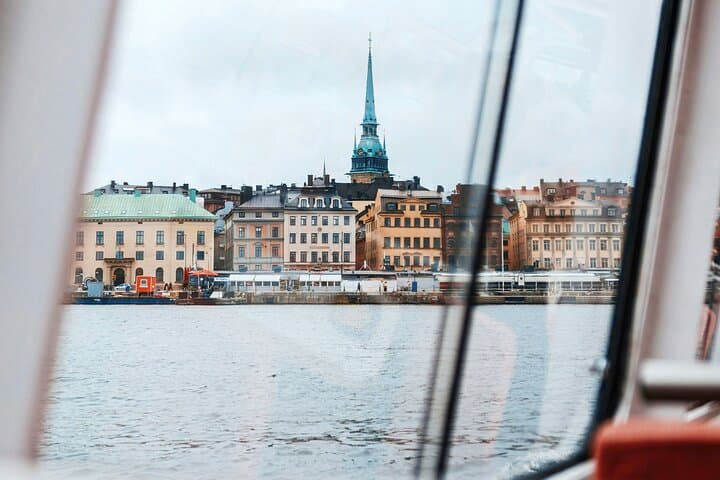
This compact route links modern bohemian Södermalm, the preserved medieval core of Gamla Stan, and the green island of Djurgården. Stockholm itself sits on a granite archipelago carved by the Ice Age and reshaped by centuries of maritime trade; the Vasa is a physical echo of that seafaring past. Gamla Stan’s ochre façades and narrow passages recall Hanseatic and royal eras, while Södermalm maps the city’s 19th–20th century urban shifts from working districts to creative quarters.
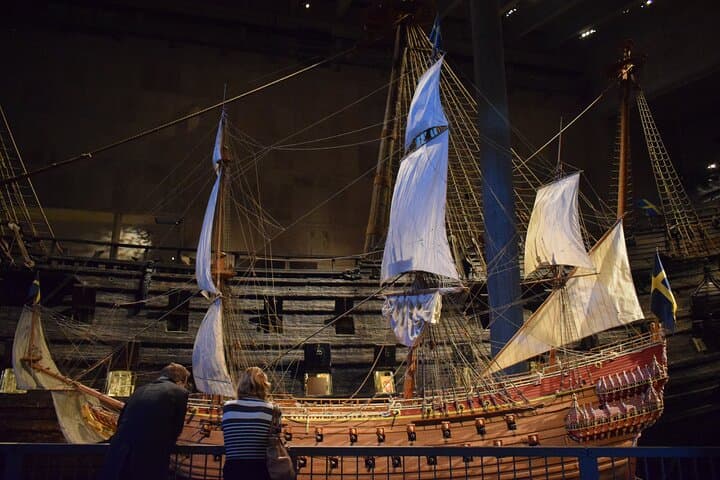
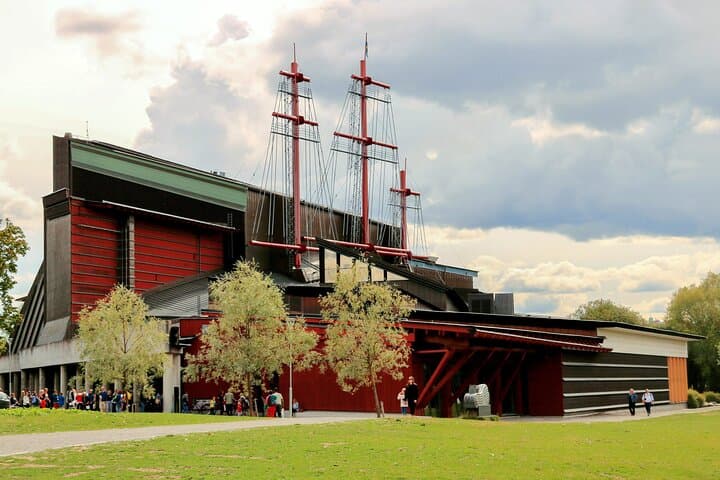
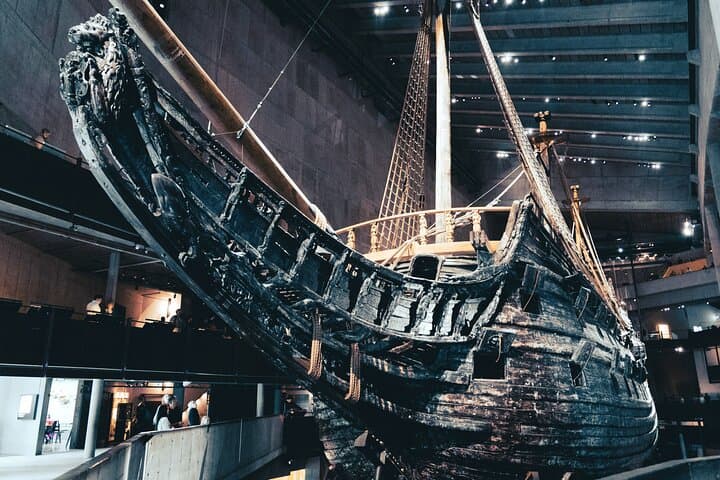
Culturally, you’ll pass small ateliers, classic Swedish design shops, and waterfront quays that still carry the scent of brine and tar. On Djurgården, the Vasa Museum stages the 1628 ship’s story: hubris, catastrophe, and conservation—raised almost intact in 1961 and preserved for study.
Practical guidance: this 3‑hour private tour involves roughly 2–3 km of easy walking on cobbles and city sidewalks, with a public ferry crossing to Djurgården included. Wear sturdy shoes for uneven pavement, bring a lightweight rain layer, and allow time at the museum—audio or guided exhibits deepen the Vasa’s context. Morning tours dodge crowds; late afternoon light suits photos from Skeppsbron. The tour is accessible to most fitness levels and includes Vasa entry and commuter ferry ticket.
easy.
3 hours.
Light urban walking; suitable for most ages and fitness levels with short periods standing.
Yes—the tour includes Vasa Museum entry and a City Commuter Ferry ticket to Djurgården.
Expect 2–3 km of mostly easy walking across city streets and cobblestones with stops; seating is limited at some viewpoints.
No—the boat transfer is a public commuter ferry; the tour provides the ticket but not a private vessel.
Yes—infants and small children can use prams; the route is stroller‑friendly though cobbles may be bumpy.
Stockholm grew from a 13th‑century Baltic stronghold into a major maritime capital; the Vasa reflects the era when Sweden asserted naval power in the 17th century.
The Vasa’s preservation underscores Sweden’s focus on cultural conservation; visitors are encouraged to follow museum rules and use public transit to reduce local traffic impact.
Passepartours.com operates guided outdoor trips and adventures with an emphasis on safety, stewardship, and memorable experiences.
You step out onto Mariatorget beneath a low northern light, cobbles still cool from night rain and trams murmuring in the distance. The guide threads you through Södermalm’s lanes—graffiti, independent cafés, and lookouts that throw the city’s islands into sharp relief—before the group slips down toward Gamla Stan’s medieval alleys where history crowds every corner.
You step out onto Mariatorget beneath a low northern light, cobbles still cool from night rain and trams murmuring in the distance. The guide threads you through Södermalm’s lanes—graffiti, independent cafés, and lookouts that throw the city’s islands into sharp relief—before the group slips down toward Gamla Stan’s medieval alleys where history crowds every corner.
This compact route links modern bohemian Södermalm, the preserved medieval core of Gamla Stan, and the green island of Djurgården. Stockholm itself sits on a granite archipelago carved by the Ice Age and reshaped by centuries of maritime trade; the Vasa is a physical echo of that seafaring past. Gamla Stan’s ochre façades and narrow passages recall Hanseatic and royal eras, while Södermalm maps the city’s 19th–20th century urban shifts from working districts to creative quarters.
Culturally, you’ll pass small ateliers, classic Swedish design shops, and waterfront quays that still carry the scent of brine and tar. On Djurgården, the Vasa Museum stages the 1628 ship’s story: hubris, catastrophe, and conservation—raised almost intact in 1961 and preserved for study.
Practical guidance: this 3‑hour private tour involves roughly 2–3 km of easy walking on cobbles and city sidewalks, with a public ferry crossing to Djurgården included. Wear sturdy shoes for uneven pavement, bring a lightweight rain layer, and allow time at the museum—audio or guided exhibits deepen the Vasa’s context. Morning tours dodge crowds; late afternoon light suits photos from Skeppsbron. The tour is accessible to most fitness levels and includes Vasa entry and commuter ferry ticket.