THE ADVENTURE COLLECTIVE® · Independent discovery and booking for outdoor travel

Walk two hours through Stockholm’s Gamla Stan with a local guide who connects medieval streets to modern city life. Expect cobbled lanes, royal squares, and compact history with practical tips for navigating uneven surfaces.
Walk two hours through Stockholm’s Gamla Stan with a local guide who connects medieval streets to modern city life. Expect cobbled lanes, royal squares, and compact history with practical tips for navigating uneven surfaces.
You step off the tram and the city narrows: cobblestones click underfoot, ochre facades press close, and the water of Riddarholmen glints between buildings. In two hours the guide threads you through plazas and alleys where medieval streets meet modern cafés, tracing a route from the Parliament across to the island heart of Gamla Stan.
Verified experiences and guided adventures in the surrounding area.
Operated by Amiketours · Stockholm, Stockholm County
You step off the tram and the city narrows: cobblestones click underfoot, ochre facades press close, and the water of Riddarholmen glints between buildings. In two hours the guide threads you through plazas and alleys where medieval streets meet modern cafés, tracing a route from the Parliament across to the island heart of Gamla Stan.
Gamla Stan grew from a 13th-century trading settlement built on the Baltic Shield’s exposed granite. Its compact streets preserve layers of history — royal processions at the Royal Palace, sermons at Storkyrkan, and the quiet courtyards where craftsmen once worked. The area’s architecture reveals Sweden’s shift from fortified medieval lanes to Enlightenment-era stone and Baroque façades; the Nobel Museum and Riddarholmen Church punctuate that timeline.
Culturally the neighborhood is still a living center: shop windows display contemporary design beside century-old bakeries; locals pause for fika on sunlit steps. Geology is part of the story too — bedrock weathers into the uneven surfaces you’ll navigate.
Practical guidance: the route is flat but cobblestones and narrow stairs demand steady shoes and awareness. The tour covers roughly 1.5–2 km across mostly pedestrian paths with frequent stops at landmarks; expect light walking and standing. Public transit drops you nearby, and the guide will point out small museums, recommended cafés and a partner restaurant discount. Bring layered clothing for sudden Baltic winds, a charged phone for photos, and comfortable shoes built for uneven stone. This is an ideal first-day orientation for anyone wanting a compact, interpretive view of Stockholm’s past and present.
easy.
2 hours.
Suitable for most fitness levels; requires walking and short periods of standing
The meeting point is near the Swedish Parliament (Riksdag) — the booking confirmation gives an exact address and public transport directions.
Yes; the route is stroller-accessible though some cobbled stretches can be bumpy — consider a sturdy stroller and plan for short lifts on steps.
The tour is led by a local guide and typically offered in English; check the booking page for language options before reserving.
This tour requires booking in advance; confirmation is instant and mobile tickets are accepted — same-day availability varies by schedule.
Gamla Stan sits on Stockholm’s oldest urban footprint, with buildings and streets that evolved from 13th-century trade routes to royal and civic centers.
High foot traffic stresses historic stone and narrow lanes; stick to marked paths, avoid touching fragile façades, and support local conservation by choosing responsible cafés and shops.
Amiketours operates guided outdoor trips and adventures with an emphasis on safety, stewardship, and memorable experiences.


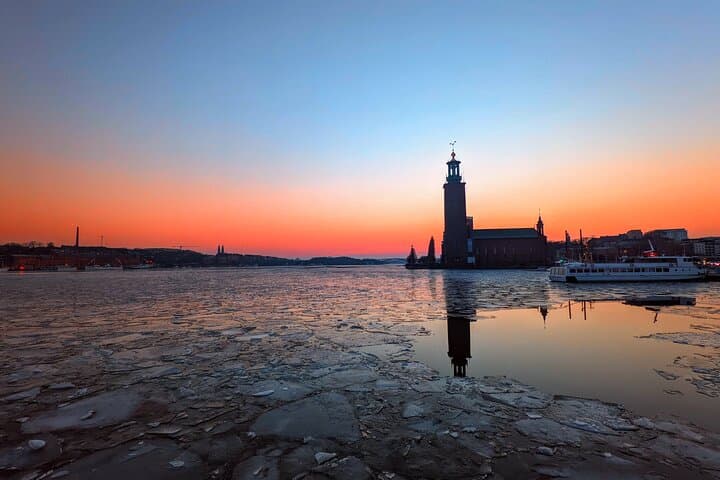
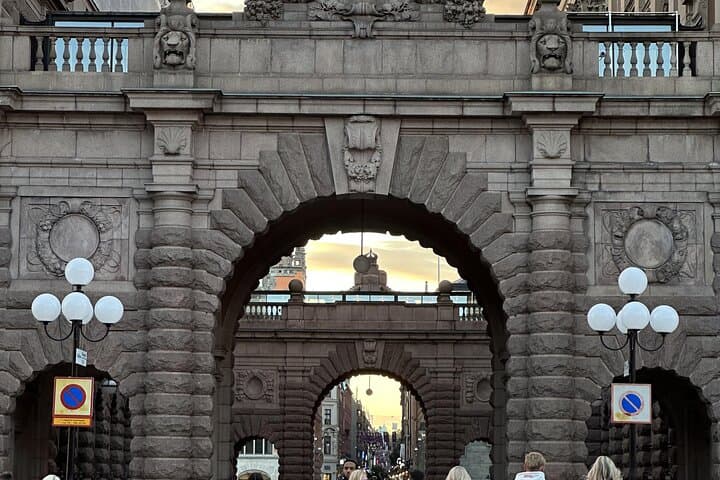
You step off the tram and the city narrows: cobblestones click underfoot, ochre facades press close, and the water of Riddarholmen glints between buildings. In two hours the guide threads you through plazas and alleys where medieval streets meet modern cafés, tracing a route from the Parliament across to the island heart of Gamla Stan.
You step off the tram and the city narrows: cobblestones click underfoot, ochre facades press close, and the water of Riddarholmen glints between buildings. In two hours the guide threads you through plazas and alleys where medieval streets meet modern cafés, tracing a route from the Parliament across to the island heart of Gamla Stan.
Gamla Stan grew from a 13th-century trading settlement built on the Baltic Shield’s exposed granite. Its compact streets preserve layers of history — royal processions at the Royal Palace, sermons at Storkyrkan, and the quiet courtyards where craftsmen once worked. The area’s architecture reveals Sweden’s shift from fortified medieval lanes to Enlightenment-era stone and Baroque façades; the Nobel Museum and Riddarholmen Church punctuate that timeline.
Culturally the neighborhood is still a living center: shop windows display contemporary design beside century-old bakeries; locals pause for fika on sunlit steps. Geology is part of the story too — bedrock weathers into the uneven surfaces you’ll navigate.
Practical guidance: the route is flat but cobblestones and narrow stairs demand steady shoes and awareness. The tour covers roughly 1.5–2 km across mostly pedestrian paths with frequent stops at landmarks; expect light walking and standing. Public transit drops you nearby, and the guide will point out small museums, recommended cafés and a partner restaurant discount. Bring layered clothing for sudden Baltic winds, a charged phone for photos, and comfortable shoes built for uneven stone. This is an ideal first-day orientation for anyone wanting a compact, interpretive view of Stockholm’s past and present.