THE ADVENTURE COLLECTIVE® · Independent discovery and booking for outdoor travel

A private, eight‑hour shore excursion that pairs massive modern sculpture, Victorian canal engineering and one of Scotland’s great castles. Expect short walks, engineering marvels, and layered history in comfortable transport.
A private, eight‑hour shore excursion that pairs massive modern sculpture, Victorian canal engineering and one of Scotland’s great castles. Expect short walks, engineering marvels, and layered history in comfortable transport.
You step off the ship into the sharp air of the Firth of Forth and a kilted guide is waiting with a nameboard and a promise: eight hours of Scotland’s engineered and imperial past, compressed into a comfortable minivan.
Verified experiences and guided adventures in the surrounding area.
Operated by Macleod Heilan Tours · Stirling, Scotland
You step off the ship into the sharp air of the Firth of Forth and a kilted guide is waiting with a nameboard and a promise: eight hours of Scotland’s engineered and imperial past, compressed into a comfortable minivan.
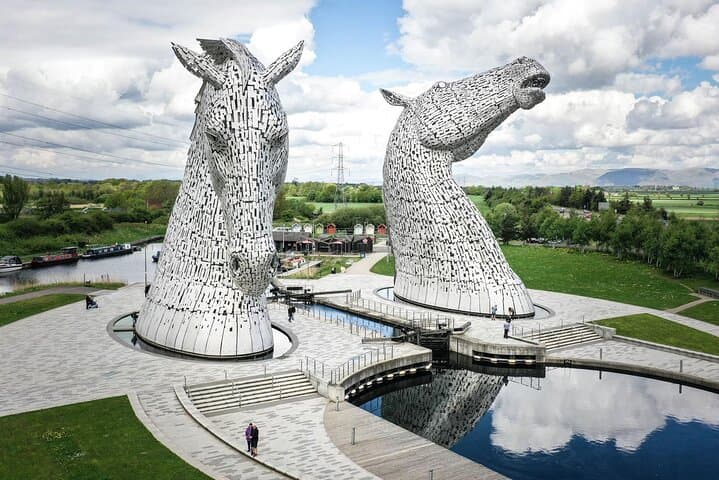
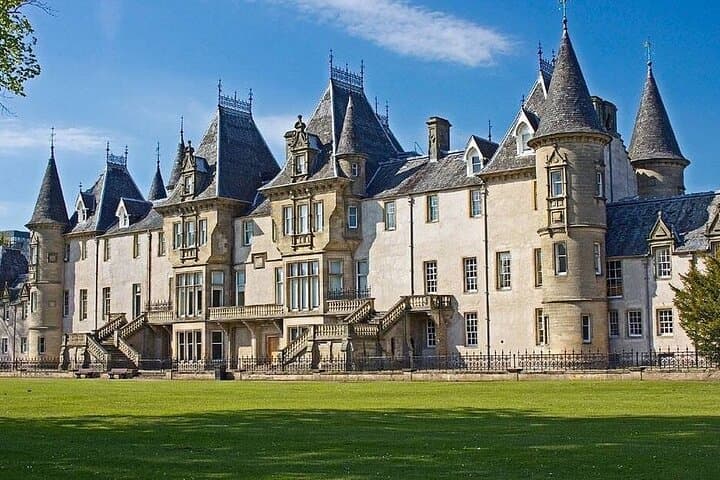
The route threads modern steel and ancient stone. First the Kelpies—two 100ft horses of weathered steel that loom like mythical riders over canal water—introducing Scotland’s folklore and the industrial canal age. Callendar House follows: a 14th‑century estate set inside parkland that intersects the Antonine Wall, with rooms that have hosted Mary, Queen of Scots and echoes used recently on Outlander.
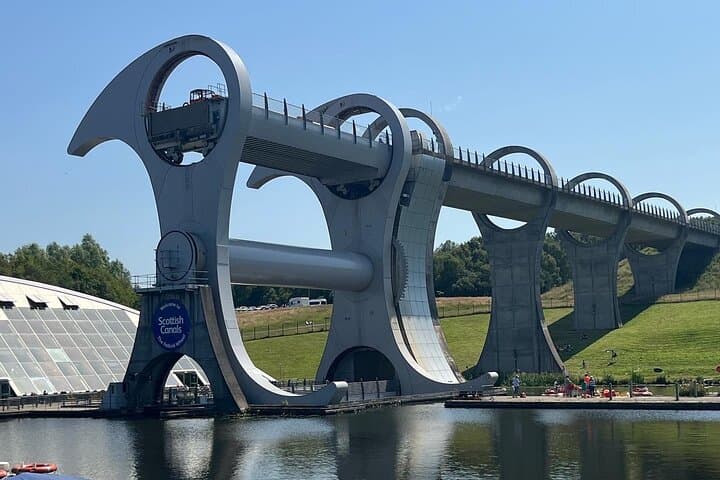
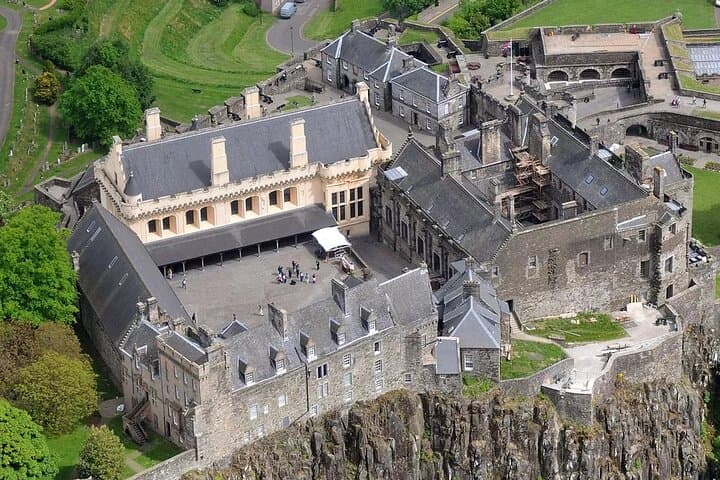
Then the Falkirk Wheel, the world’s only rotating boat lift, which mechanically links the Forth & Clyde and Union canals; the engineering is literal theatre, water rising and descending as if the machine itself breathes. The finale is Stirling Castle, perched on a volcanic crag—its ramparts still marked by musket and cannon scars from centuries of sieges, including the shadow of Bannockburn nearby.
Practical guidance: tickets for the Falkirk Wheel and Stirling Castle are best booked ahead to avoid queues; the tour includes bottled water and a driver‑guide but not castle admission. Wear solid walking shoes for uneven cobbles and a windproof layer—the Forth can feel like it’s prodding you forward. Allow time for a pub lunch or a quick sandwich at Callendar Park; mobility is generally easy but some slopes and steps are unavoidable. This private shore excursion balances storytelling, hands‑on engineering, and battlefield geology, giving a compact, weather‑aware taste of central Scotland’s past and present.
easy.
8 hours.
Suitable for most travelers who can manage short walks and stairs; minimal sustained exertion required.
Admission fees are not included; the tour can arrange stops but you should prebook and pay separately for the Falkirk Wheel ride and Stirling Castle entry.
The guide meets passengers at the cruise terminal (Greenock/South Queensferry area) and returns you to the same port; exact pickup time is coordinated with your ship’s schedule.
The tour is family‑friendly with only short walks, but Stirling Castle and Callendar House have stairs; contact the operator for specific mobility accommodations and infant seats.
Yes—there’s time for a sit‑down meal in Stirling or quicker options near Falkirk; tell the guide in advance if you prefer a longer restaurant stop.
Stirling’s strategic position on a volcanic crag made it a royal stronghold and frequent battlefield; nearby Bannockburn (1314) cemented Scotland’s medieval identity.
The Helix and Falkirk Wheel projects repurposed former industrial land with wetland restoration and public green space; visitors are asked to stick to paths and avoid disturbing wildlife.
Macleod Heilan Tours operates guided outdoor trips and adventures with an emphasis on safety, stewardship, and memorable experiences.
You step off the ship into the sharp air of the Firth of Forth and a kilted guide is waiting with a nameboard and a promise: eight hours of Scotland’s engineered and imperial past, compressed into a comfortable minivan.
You step off the ship into the sharp air of the Firth of Forth and a kilted guide is waiting with a nameboard and a promise: eight hours of Scotland’s engineered and imperial past, compressed into a comfortable minivan.
The route threads modern steel and ancient stone. First the Kelpies—two 100ft horses of weathered steel that loom like mythical riders over canal water—introducing Scotland’s folklore and the industrial canal age. Callendar House follows: a 14th‑century estate set inside parkland that intersects the Antonine Wall, with rooms that have hosted Mary, Queen of Scots and echoes used recently on Outlander.
Then the Falkirk Wheel, the world’s only rotating boat lift, which mechanically links the Forth & Clyde and Union canals; the engineering is literal theatre, water rising and descending as if the machine itself breathes. The finale is Stirling Castle, perched on a volcanic crag—its ramparts still marked by musket and cannon scars from centuries of sieges, including the shadow of Bannockburn nearby.
Practical guidance: tickets for the Falkirk Wheel and Stirling Castle are best booked ahead to avoid queues; the tour includes bottled water and a driver‑guide but not castle admission. Wear solid walking shoes for uneven cobbles and a windproof layer—the Forth can feel like it’s prodding you forward. Allow time for a pub lunch or a quick sandwich at Callendar Park; mobility is generally easy but some slopes and steps are unavoidable. This private shore excursion balances storytelling, hands‑on engineering, and battlefield geology, giving a compact, weather‑aware taste of central Scotland’s past and present.