THE ADVENTURE COLLECTIVE® · Independent discovery and booking for outdoor travel

Head out early into Grand Cayman’s North Sound to stand on shallow sandbars with docile southern stingrays and search for colorful starfish in glassy water. This family-friendly, non-snorkel boat tour offers close marine encounters in waist-deep water and straightforward logistics for first-time visitors.
Head out early into Grand Cayman’s North Sound to stand on shallow sandbars with docile southern stingrays and search for colorful starfish in glassy water. This family-friendly, non-snorkel boat tour offers close marine encounters in waist-deep water and straightforward logistics for first-time visitors.
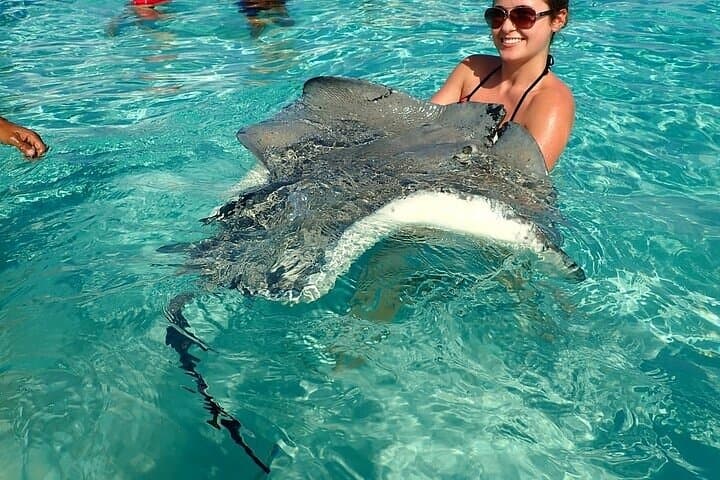
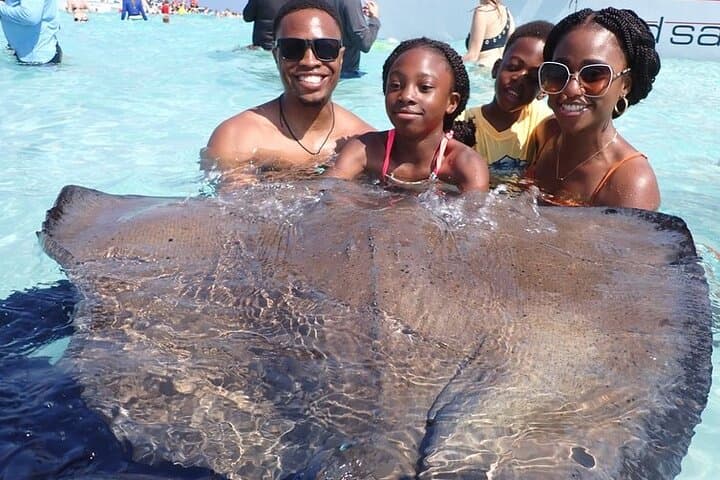
You step onto the boat before the sun heats the reef, the North Sound glassy and hesitant as it tests the morning wind. The captain steers toward shallow ribbons of sand where the water drops to waist-deep and the southern stingrays glide like shadowed kites. At the sandbar you stand ankle- to chest-deep; the rays approach with calm curiosity, crowding gently as if to inspect your shoes.
Verified experiences and guided adventures in the surrounding area.
Operated by Captain Marvins Watersports Ltd. · George Town, Cayman Islands
You step onto the boat before the sun heats the reef, the North Sound glassy and hesitant as it tests the morning wind. The captain steers toward shallow ribbons of sand where the water drops to waist-deep and the southern stingrays glide like shadowed kites. At the sandbar you stand ankle- to chest-deep; the rays approach with calm curiosity, crowding gently as if to inspect your shoes.
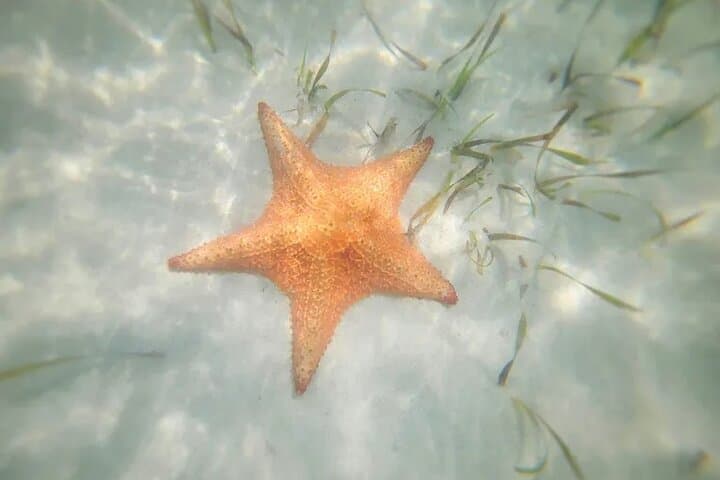
This stretch of Grand Cayman has long been shaped by coral growth and shifting sands; fishermen once hand-fed rays near these shoals, and that simple practice evolved into the organized visits you see today. The island’s geology — a limestone platform built on ancient coral and exposed by tides — creates the shallow sandflats where both rays and the delicate sea stars gather.
Expect Caribbean clarity, scattered seagrass beds, and soft white sand underfoot. Local culture favors easygoing, sea-first living: guides are typically Caymanian and emphasize safe, respectful interactions with marine life. Conservation rules are strict compared with earlier decades — minimal handling of animals and no removal of wildlife is the norm.
Practicalities: tours usually launch from Seven Mile Beach area and last about two hours. No snorkeling experience required; life vests and basic equipment are provided on many operators. Bring reef-safe sunscreen, a water-resistant bag, and shoes you don’t mind getting wet. Arrive early for lighter crowds and calmer seas; the shallow sites make this a good choice for families and first-time marine encounters.
easy.
2 hours.
Suitable for most fitness levels; participants should be comfortable standing in waist- to chest-deep water and moving on uneven sand
No — this tour is designed around shallow encounters at waist- to chest-depth; snorkeling equipment may be offered but is not necessary.
Yes — the shallow sandbars and calm approach make this suitable for families, though infants are usually required to sit on laps during transfers.
Wear quick-dry clothing or a swimsuit, water shoes, and reef-safe sunscreen; bring a towel and a light cover-up for the return trip.
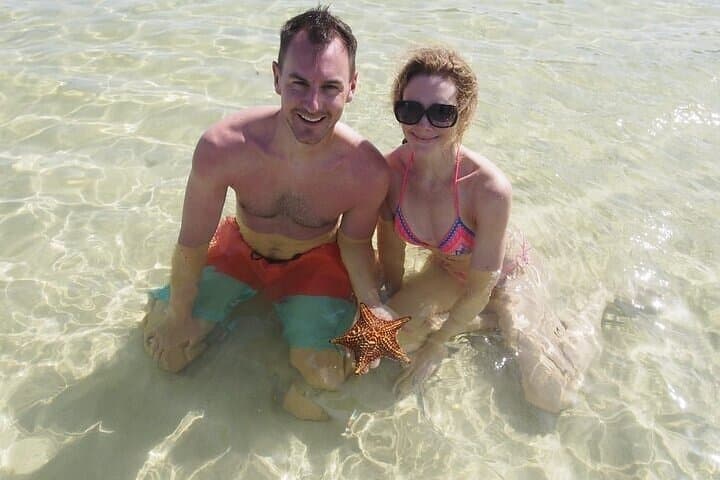
Guides will demonstrate appropriate interaction; generally guests are advised not to lift starfish out of the water and to follow feeding/handling instructions for stingrays to avoid harm.
Feeding rays near the sandbar began with local fishermen and boaters decades ago and gradually developed into organized visits that brought attention to these unique shallow habitats.
The area follows strict guidelines to minimize stress to animals — avoid removing wildlife, use reef-safe products, and follow guides’ instructions to protect fragile sea stars and rays.
Captain Marvins Watersports Ltd. operates guided outdoor trips and adventures with an emphasis on safety, stewardship, and memorable experiences.
You step onto the boat before the sun heats the reef, the North Sound glassy and hesitant as it tests the morning wind. The captain steers toward shallow ribbons of sand where the water drops to waist-deep and the southern stingrays glide like shadowed kites. At the sandbar you stand ankle- to chest-deep; the rays approach with calm curiosity, crowding gently as if to inspect your shoes.
You step onto the boat before the sun heats the reef, the North Sound glassy and hesitant as it tests the morning wind. The captain steers toward shallow ribbons of sand where the water drops to waist-deep and the southern stingrays glide like shadowed kites. At the sandbar you stand ankle- to chest-deep; the rays approach with calm curiosity, crowding gently as if to inspect your shoes.
This stretch of Grand Cayman has long been shaped by coral growth and shifting sands; fishermen once hand-fed rays near these shoals, and that simple practice evolved into the organized visits you see today. The island’s geology — a limestone platform built on ancient coral and exposed by tides — creates the shallow sandflats where both rays and the delicate sea stars gather.
Expect Caribbean clarity, scattered seagrass beds, and soft white sand underfoot. Local culture favors easygoing, sea-first living: guides are typically Caymanian and emphasize safe, respectful interactions with marine life. Conservation rules are strict compared with earlier decades — minimal handling of animals and no removal of wildlife is the norm.
Practicalities: tours usually launch from Seven Mile Beach area and last about two hours. No snorkeling experience required; life vests and basic equipment are provided on many operators. Bring reef-safe sunscreen, a water-resistant bag, and shoes you don’t mind getting wet. Arrive early for lighter crowds and calmer seas; the shallow sites make this a good choice for families and first-time marine encounters.