THE ADVENTURE COLLECTIVE® · Independent discovery and booking for outdoor travel

Spend a private half-day by boat in Grand Cayman’s North Sound, snorkeling with southern stingrays at the famous sandbar and exploring starfish-speckled shallows. This customizable tour pairs wildlife encounters with easy snorkeling and coastal scenery.
Spend a private half-day by boat in Grand Cayman’s North Sound, snorkeling with southern stingrays at the famous sandbar and exploring starfish-speckled shallows. This customizable tour pairs wildlife encounters with easy snorkeling and coastal scenery.
A low-slung charter glides across the North Sound, engines soft as the captain picks a shallow sandbar where the water turns a lacquered turquoise. Guests slip into waist-deep warmth and the rays—broad, curious southern stingrays—arrive like slow shadows, nudging at ankles and begging for closer inspection. Nearby, Starfish Point spreads a beach of pale sand dotted with star-shaped sea life, a calm counterpoint to the schooling reef fish that flash beneath the hull.
Verified experiences and guided adventures in the surrounding area.
Operated by Blue Ocean Tours · George Town, Grand Cayman
A low-slung charter glides across the North Sound, engines soft as the captain picks a shallow sandbar where the water turns a lacquered turquoise. Guests slip into waist-deep warmth and the rays—broad, curious southern stingrays—arrive like slow shadows, nudging at ankles and begging for closer inspection. Nearby, Starfish Point spreads a beach of pale sand dotted with star-shaped sea life, a calm counterpoint to the schooling reef fish that flash beneath the hull.
Geology here is simple and direct: a rim of coral and limestone shelves forms the North Sound’s protective lagoon, creating shallow sandbanks that collect life. Culturally, Grand Cayman’s small fishing communities long interacted with these marine gatherings; the modern tourist scene is built on those same clear waters, now managed to limit disturbance.
On a private boat tour, expect 3–4 hours afloat with customizable stops, provided snorkeling gear, bottled water and light snacks. Morning trips favor calmer seas and clearer visibility; afternoons can bring more boat traffic and stronger winds. Interaction guidelines are strict—observe, don’t chase; feeds are controlled by authorities, not by tourists. Bring reef-safe sunscreen, a well-fitting mask, and expect to move between shallow wading, anchored snorkeling, and short boat transfers. Motion-sickness meds help if you fret over chop.
Practical: choose an operator that enforces wildlife rules, wear water shoes for sandbar walking, seal belongings in a dry bag, and plan your visit outside the peak of hurricane season for the steadiest conditions.
moderate.
4 hours.
Moderate — able to swim short distances, stand in shallow water, and climb in/out of a small boat.
Stingrays here are accustomed to people; they are not aggressive but should be treated calmly—avoid touching their tails and follow crew guidance.
Yes — tours typically supply snorkel masks, fins, and life vests; you can bring your own for a better fit.
Non‑swimmers can often join if they wear a life vest and remain in shallow areas; check with the operator about individual fitness and comfort in water.
Operators usually cancel or reschedule if seas are unsafe—this tour’s policy offers full refunds if canceled at least 24 hours prior and may cancel for bad weather.
Local fishermen historically frequented these sandbanks; over time the area became a guided attraction regulated by Cayman authorities to manage human-animal interactions.
Operators are required to follow interaction guidelines—avoid feeding or handling wildlife, use reef‑safe sunscreen, and support companies that enforce humane rules.
Blue Ocean Tours operates guided outdoor trips and adventures with an emphasis on safety, stewardship, and memorable experiences.
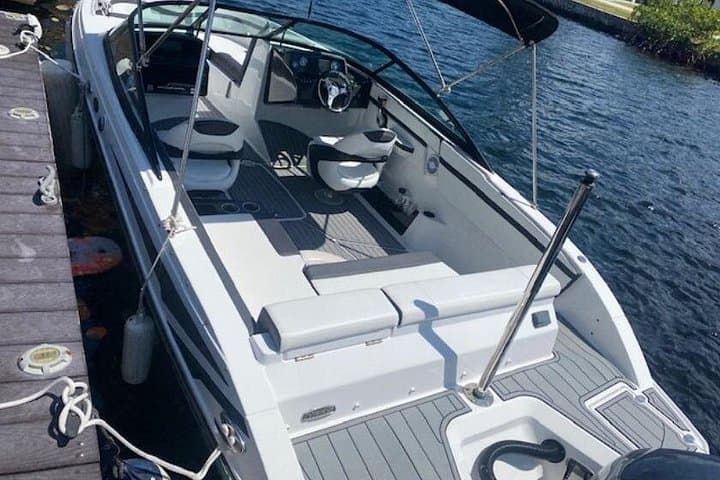
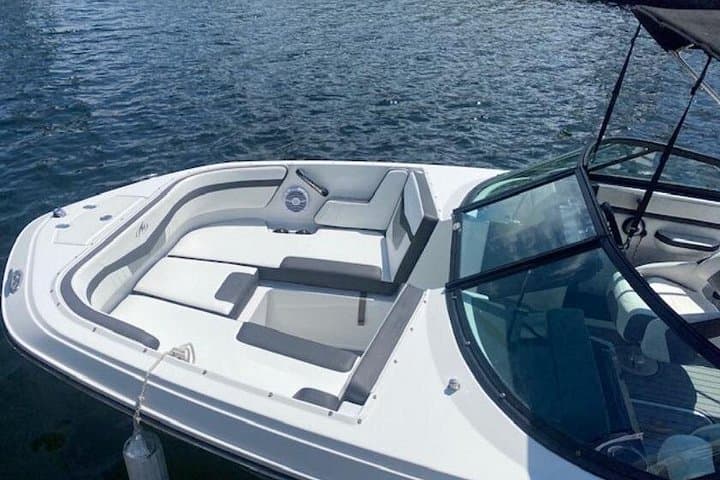
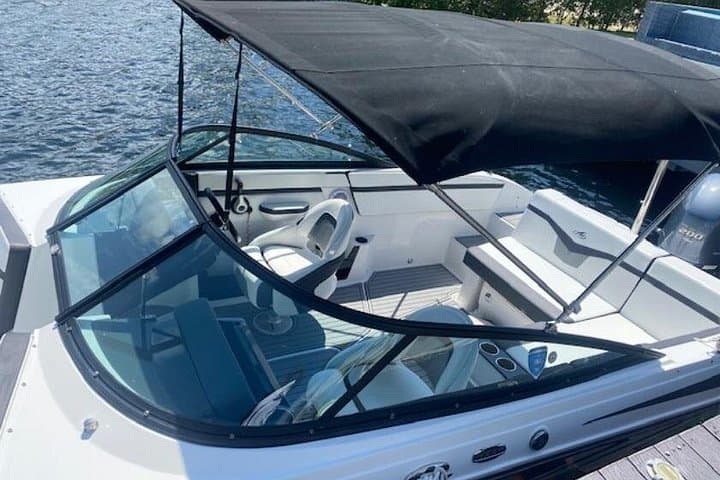
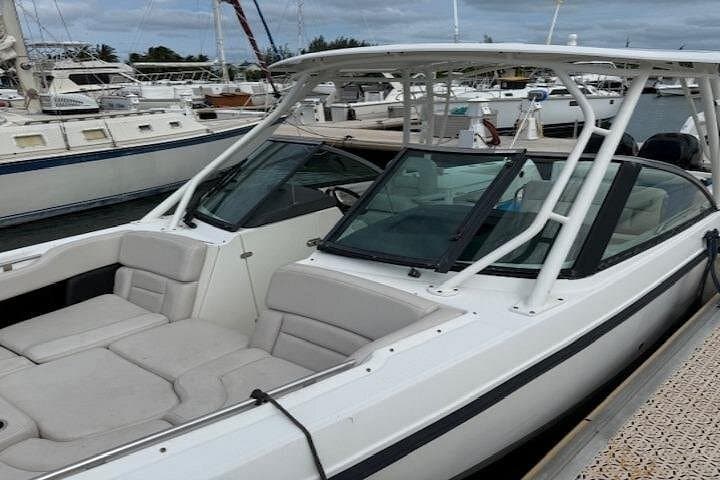
A low-slung charter glides across the North Sound, engines soft as the captain picks a shallow sandbar where the water turns a lacquered turquoise. Guests slip into waist-deep warmth and the rays—broad, curious southern stingrays—arrive like slow shadows, nudging at ankles and begging for closer inspection. Nearby, Starfish Point spreads a beach of pale sand dotted with star-shaped sea life, a calm counterpoint to the schooling reef fish that flash beneath the hull.
A low-slung charter glides across the North Sound, engines soft as the captain picks a shallow sandbar where the water turns a lacquered turquoise. Guests slip into waist-deep warmth and the rays—broad, curious southern stingrays—arrive like slow shadows, nudging at ankles and begging for closer inspection. Nearby, Starfish Point spreads a beach of pale sand dotted with star-shaped sea life, a calm counterpoint to the schooling reef fish that flash beneath the hull.
Geology here is simple and direct: a rim of coral and limestone shelves forms the North Sound’s protective lagoon, creating shallow sandbanks that collect life. Culturally, Grand Cayman’s small fishing communities long interacted with these marine gatherings; the modern tourist scene is built on those same clear waters, now managed to limit disturbance.
On a private boat tour, expect 3–4 hours afloat with customizable stops, provided snorkeling gear, bottled water and light snacks. Morning trips favor calmer seas and clearer visibility; afternoons can bring more boat traffic and stronger winds. Interaction guidelines are strict—observe, don’t chase; feeds are controlled by authorities, not by tourists. Bring reef-safe sunscreen, a well-fitting mask, and expect to move between shallow wading, anchored snorkeling, and short boat transfers. Motion-sickness meds help if you fret over chop.
Practical: choose an operator that enforces wildlife rules, wear water shoes for sandbar walking, seal belongings in a dry bag, and plan your visit outside the peak of hurricane season for the steadiest conditions.