THE ADVENTURE COLLECTIVE® · Independent discovery and booking for outdoor travel

Trade Seattle’s skyline for high alpine air on a full‑day shuttle to Stevens Pass. The trip combines scenic driving across Lake Washington, a coffee stop in Gold Bar, and four hours of flexible time at the resort—lift tickets and rentals not included.
Trade Seattle’s skyline for high alpine air on a full‑day shuttle to Stevens Pass. The trip combines scenic driving across Lake Washington, a coffee stop in Gold Bar, and four hours of flexible time at the resort—lift tickets and rentals not included.
A gray Seattle morning loosens its grip as the van climbs out over the floating bridge and into the foothills. Pine scent sharpens; mountains rise like slow-moving weather. By mid-morning the Cascades have the full authority of winter—crisp air, the distant rumble of avalanches controlled on steep faces, and the hush of snow settling on firs.
Verified experiences and guided adventures in the surrounding area.
Operated by Oktaytours · Skykomish, Washington
A gray Seattle morning loosens its grip as the van climbs out over the floating bridge and into the foothills. Pine scent sharpens; mountains rise like slow-moving weather. By mid-morning the Cascades have the full authority of winter—crisp air, the distant rumble of avalanches controlled on steep faces, and the hush of snow settling on firs.
Stevens Pass sits astride the Cascade Range where rail and highway history meet alpine recreation. Named for engineer John F. Stevens, the corridor was shaped by early railroad crews and later by ski pioneers who opened lifts in the 1930s–1940s. Geologically the pass is carved from ancient volcanic and metamorphic rock; glaciers and heavy winter storms continue to sculpt its bowls and chutes.
Culturally the route threads small towns—Kirkland, Monroe, Gold Bar—each with coffee shops and local lore about Bigfoot sightings and logging-era tales. On this tour expect guided window commentary, a stop in Gold Bar for coffee at the Bigfoot Espresso Chalet, and roughly four hours to ski, ride or explore Stevens Pass (lift tickets and rentals not included).
Practical notes: dress in layers, carry a daypack with water and ID, and allow time for winter road delays. If you plan to ski, reserve rentals and lift tickets in advance and check avalanche advisories. The shuttle simplifies logistics—no parking hassles—and gives you flexible drop options for the Nordic Center. For a day out of Seattle, this is a straightforward way to trade the city skyline for high alpine cornices and groomed runs without the drive stress.
moderate.
8–9 hours.
Suitable for travelers with basic fitness; walking short distances and standing on lifts required. If skiing, moderate cardio and leg strength recommended.
No — the tour covers transportation and guided sightseeing only. Purchase lift tickets separately from the Stevens Pass website or at the resort.
Yes — the operator notes flexibility to drop guests at the Nordic Center, but confirm with the driver on the day for timing and logistics.
Yes — Stevens Pass has rental shops for skis, snowboards and helmets; reserving gear in advance is recommended during peak season.
The tour accepts families, but infants must sit on an adult’s lap during transport; snow safety and cold exposure considerations apply for young children.
The pass was named for railroad engineer John F. Stevens; the corridor’s rail and road history enabled the ski area's development in the mid‑20th century.
Winter recreation relies on active avalanche control and responsible travel—stay on groomed runs, pack out waste, and follow resort and WSDOT advisories to minimize impact.
Oktaytours operates guided outdoor trips and adventures with an emphasis on safety, stewardship, and memorable experiences.
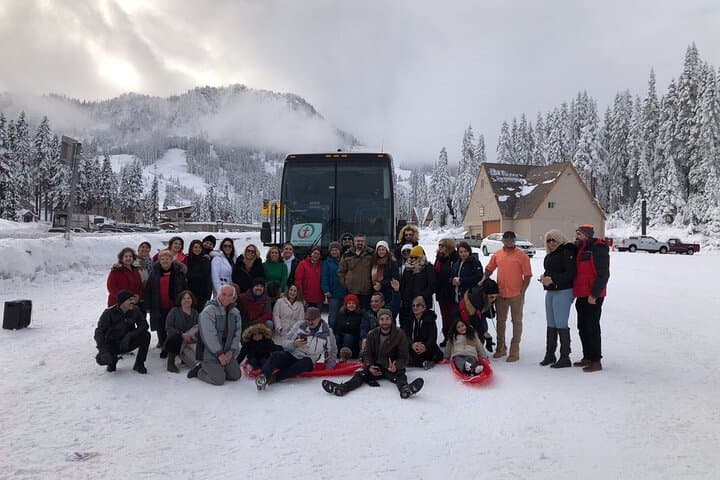
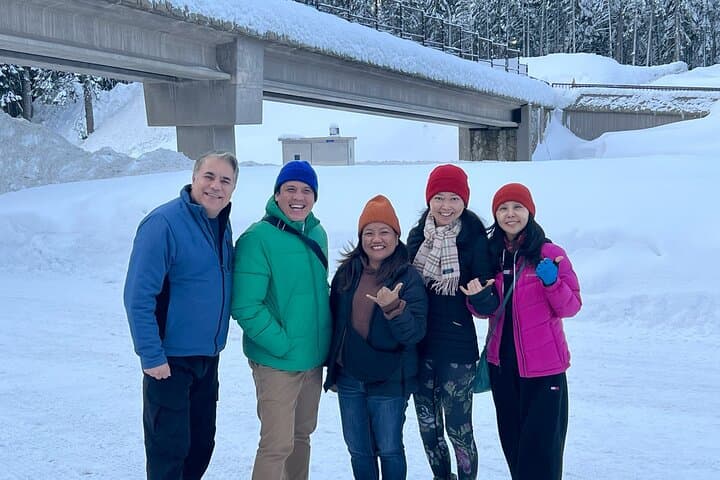
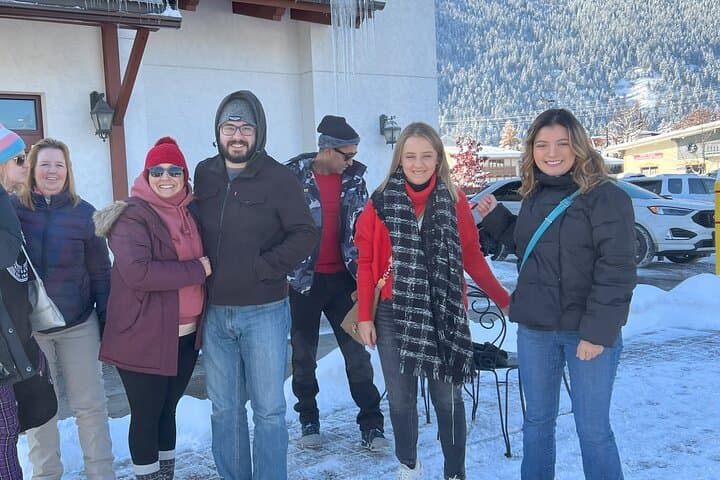
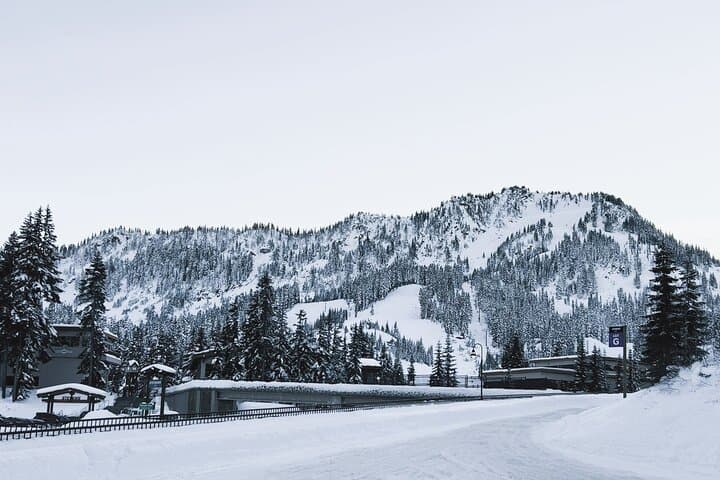
A gray Seattle morning loosens its grip as the van climbs out over the floating bridge and into the foothills. Pine scent sharpens; mountains rise like slow-moving weather. By mid-morning the Cascades have the full authority of winter—crisp air, the distant rumble of avalanches controlled on steep faces, and the hush of snow settling on firs.
A gray Seattle morning loosens its grip as the van climbs out over the floating bridge and into the foothills. Pine scent sharpens; mountains rise like slow-moving weather. By mid-morning the Cascades have the full authority of winter—crisp air, the distant rumble of avalanches controlled on steep faces, and the hush of snow settling on firs.
Stevens Pass sits astride the Cascade Range where rail and highway history meet alpine recreation. Named for engineer John F. Stevens, the corridor was shaped by early railroad crews and later by ski pioneers who opened lifts in the 1930s–1940s. Geologically the pass is carved from ancient volcanic and metamorphic rock; glaciers and heavy winter storms continue to sculpt its bowls and chutes.
Culturally the route threads small towns—Kirkland, Monroe, Gold Bar—each with coffee shops and local lore about Bigfoot sightings and logging-era tales. On this tour expect guided window commentary, a stop in Gold Bar for coffee at the Bigfoot Espresso Chalet, and roughly four hours to ski, ride or explore Stevens Pass (lift tickets and rentals not included).
Practical notes: dress in layers, carry a daypack with water and ID, and allow time for winter road delays. If you plan to ski, reserve rentals and lift tickets in advance and check avalanche advisories. The shuttle simplifies logistics—no parking hassles—and gives you flexible drop options for the Nordic Center. For a day out of Seattle, this is a straightforward way to trade the city skyline for high alpine cornices and groomed runs without the drive stress.