THE ADVENTURE COLLECTIVE® · Independent discovery and booking for outdoor travel

Explore where some of our earliest ancestors were found on a private, guided day tour to the Sterkfontein Caves and Maropeng Museum in the Cradle of Humankind. Expect cave passages, fossil displays, and hands‑on museum exhibits with regulated, fragile access to heritage sites.
Explore where some of our earliest ancestors were found on a private, guided day tour to the Sterkfontein Caves and Maropeng Museum in the Cradle of Humankind. Expect cave passages, fossil displays, and hands‑on museum exhibits with regulated, fragile access to heritage sites.
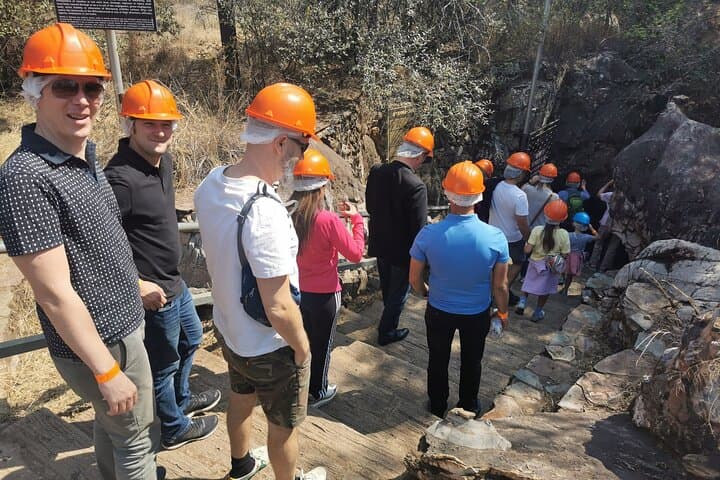
You step from an air‑conditioned vehicle into a wind that seems to push stories out of the limestone: exposed bone, old galleries and the slow, patient work of water carving chambers underfoot. The Sterkfontein Caves open into dim corridors and stepped platforms where light maps the contours of fossils that helped rewrite human history.
Verified experiences and guided adventures in the surrounding area.
Operated by Shane Gouldie · Krugersdorp, Gauteng
You step from an air‑conditioned vehicle into a wind that seems to push stories out of the limestone: exposed bone, old galleries and the slow, patient work of water carving chambers underfoot. The Sterkfontein Caves open into dim corridors and stepped platforms where light maps the contours of fossils that helped rewrite human history.
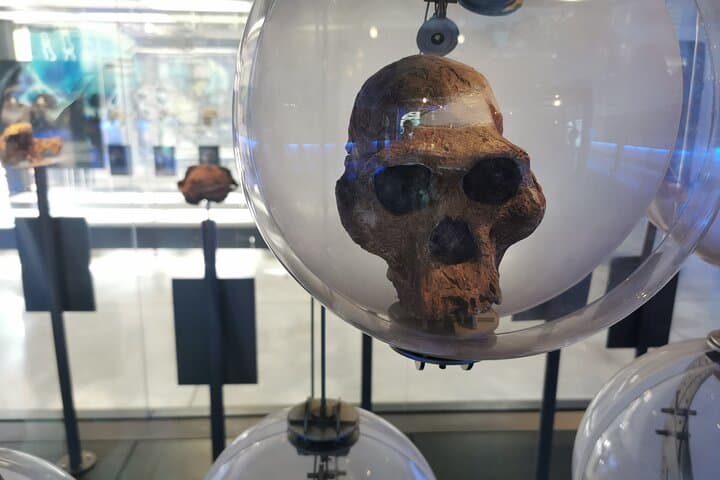
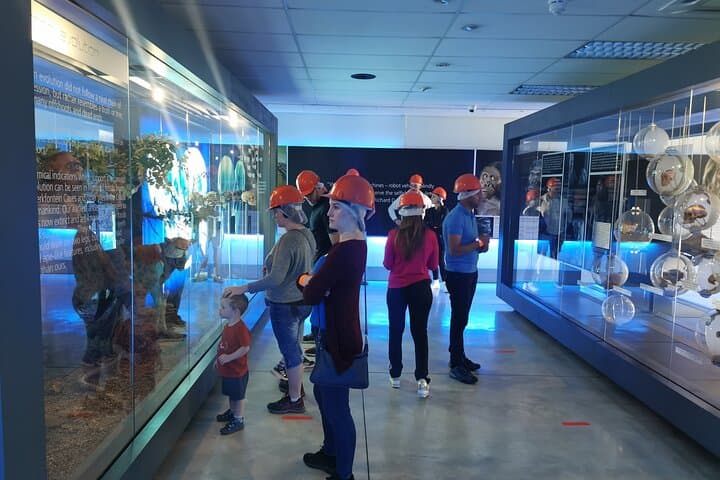
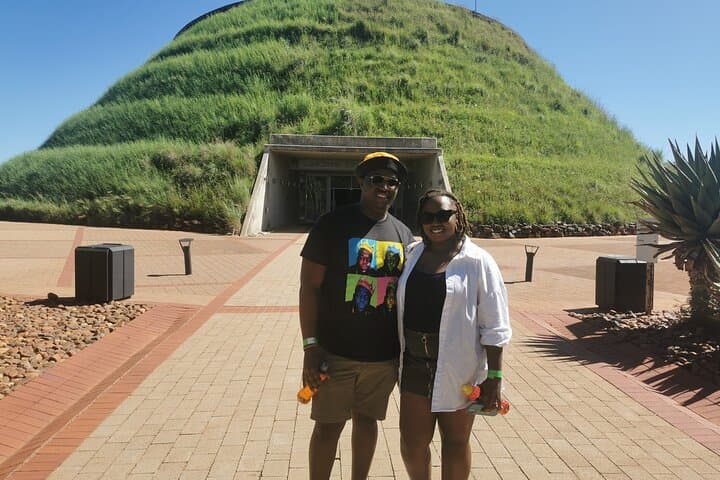
The Cradle of Humankind is a geological archive—dolomite bedrock riddled with caves and fossil-bearing breccia formed over millions of years. Sterkfontein produced Australopithecus remains (including the famous specimens like Mrs. Ples) and sits within a landscape long inhabited and studied by South African universities. Maropeng, the nearby museum, translates that deep time into interactive exhibits and a short boat experience that traces Earth’s changing climate and life.
This private, six‑hour outing pairs a guided cave walk with a museum visit; note that cave and museum admissions are charged separately (approx. R150 for Sterkfontein, R125 for Maropeng). The caves are fragile and access is regulated—expect stairs, narrow passages, and a steady pace set by your guide.
Practically: wear sturdy closed‑toe shoes, bring water and a light layer for cool underground air, and allow time for photography at the museum rather than inside fragile chambers. The site is about an hour northwest of Johannesburg; guided transport is typical and recommended. Respect barriers, follow your guide, and treat the fossils as irreplaceable evidence—these are living lessons in evolution and conservation, not props for close handling.
moderate.
6 hours.
Able to walk and stand for several hours, manage stairs and some uneven steps; suitable for most fitness levels with basic mobility.
No—Sterkfontein and Maropeng charge separate entrance fees (approximately R150 and R125 respectively); confirm current rates when booking.
The tour notes stroller accessibility for very young children in outdoor areas, but cave passages include stairs and narrow sections—children should be able to walk short distances under supervision.
The tour lists an air‑conditioned vehicle and private transport as inclusions; confirm pickup point during booking if you need hotel transfer.
Access is regulated for conservation; the caves recently reopened after a closure—always check availability and guided tour schedules before travel.
The Cradle of Humankind World Heritage Site contains numerous dolomitic caves where paleontologists have recovered hominid fossils, helping shape our understanding of early human evolution.
Sites are fragile and access is managed to protect fossil deposits and cave structures—stick to paths, avoid touching formations, and follow guide instructions to minimize impact.
Shane Gouldie operates guided outdoor trips and adventures with an emphasis on safety, stewardship, and memorable experiences.
You step from an air‑conditioned vehicle into a wind that seems to push stories out of the limestone: exposed bone, old galleries and the slow, patient work of water carving chambers underfoot. The Sterkfontein Caves open into dim corridors and stepped platforms where light maps the contours of fossils that helped rewrite human history.
You step from an air‑conditioned vehicle into a wind that seems to push stories out of the limestone: exposed bone, old galleries and the slow, patient work of water carving chambers underfoot. The Sterkfontein Caves open into dim corridors and stepped platforms where light maps the contours of fossils that helped rewrite human history.
The Cradle of Humankind is a geological archive—dolomite bedrock riddled with caves and fossil-bearing breccia formed over millions of years. Sterkfontein produced Australopithecus remains (including the famous specimens like Mrs. Ples) and sits within a landscape long inhabited and studied by South African universities. Maropeng, the nearby museum, translates that deep time into interactive exhibits and a short boat experience that traces Earth’s changing climate and life.
This private, six‑hour outing pairs a guided cave walk with a museum visit; note that cave and museum admissions are charged separately (approx. R150 for Sterkfontein, R125 for Maropeng). The caves are fragile and access is regulated—expect stairs, narrow passages, and a steady pace set by your guide.
Practically: wear sturdy closed‑toe shoes, bring water and a light layer for cool underground air, and allow time for photography at the museum rather than inside fragile chambers. The site is about an hour northwest of Johannesburg; guided transport is typical and recommended. Respect barriers, follow your guide, and treat the fossils as irreplaceable evidence—these are living lessons in evolution and conservation, not props for close handling.