THE ADVENTURE COLLECTIVE® · Independent discovery and booking for outdoor travel

Explore two of the Cradle of Humankind’s highlights on a compact, guided half-day: Maropeng’s immersive exhibits and Sterkfontein’s fossil-rich caves. Small-group guiding, entrance fees and transport are included—ideal for history-minded travelers short on time.
Explore two of the Cradle of Humankind’s highlights on a compact, guided half-day: Maropeng’s immersive exhibits and Sterkfontein’s fossil-rich caves. Small-group guiding, entrance fees and transport are included—ideal for history-minded travelers short on time.
You step out of the air-conditioned vehicle onto open dolomite grassland; wind pushes across low karst ridges and the rock underfoot hints at what lies below. Ahead, the low-mouth entrance to Sterkfontein warns of cooler, shadowed chambers where stone keeps the record of very old lives.
Verified experiences and guided adventures in the surrounding area.
Operated by Motleys Tours and Travel · Krugersdorp, Gauteng
You step out of the air-conditioned vehicle onto open dolomite grassland; wind pushes across low karst ridges and the rock underfoot hints at what lies below. Ahead, the low-mouth entrance to Sterkfontein warns of cooler, shadowed chambers where stone keeps the record of very old lives.
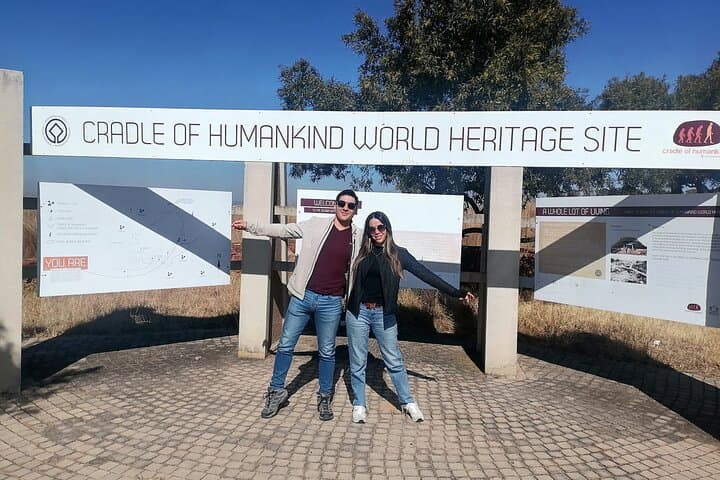
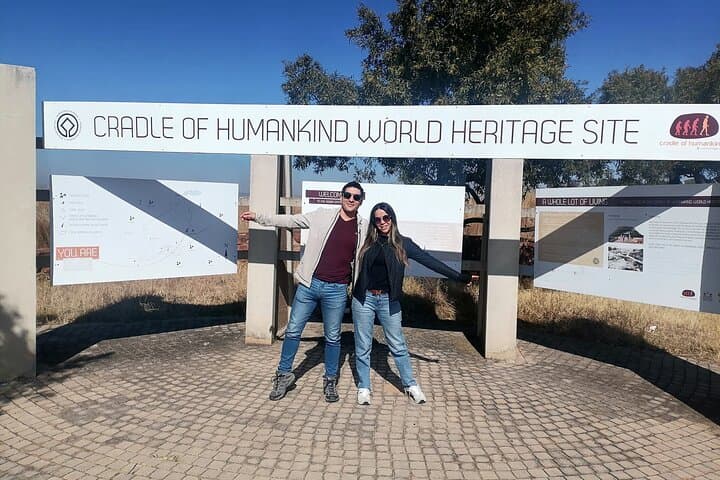
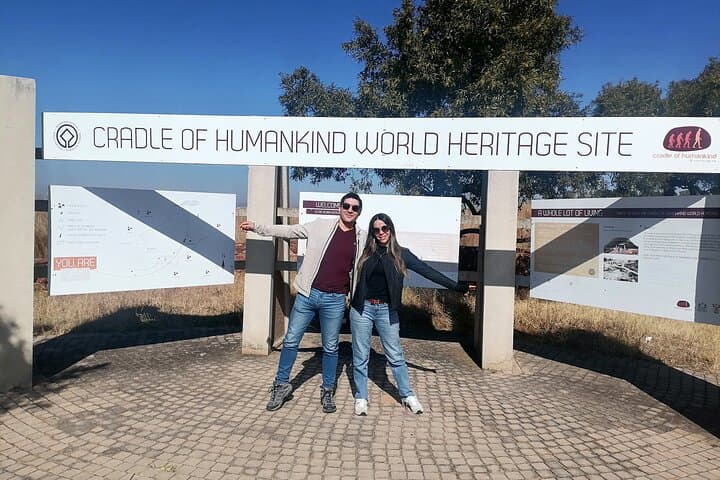
The Cradle of Humankind is a UNESCO World Heritage site, and Sterkfontein’s fossil pits produced finds like "Mrs Ples" and "Little Foot" that reshaped ideas about human ancestry. Geologically the area is classic dolomitic limestone — water has eaten away passageways and left cavity systems and fossil-bearing breccia capped by thin soils. Maropeng, whose name in Setswana means “returning to origin,” houses interpretive exhibits that link those bones to landscapes, tools and migration stories.
On a half-day guided outing (roughly five hours door-to-door from Johannesburg, small shared groups), expect a museum hour at Maropeng and a guided cave walk with uneven steps and low ceilings. Guides explain excavation techniques, dating methods and how the region’s geology preserves fossils. The mood shifts from bright, gallery-style exhibits to cool, damp caverns; the air feels older underground, and the rocks seem to hold their own memory.
Practical edge: wear sturdy closed-toe shoes, bring a light jacket for the cave, and plan for stairs and short squeezes—not suitable for serious mobility issues or recent heart conditions. Pick a morning slot to avoid heat in summer and allow time to ask your guide about ongoing digs; they usually include entrance fees and transport, and the small-group format helps you get closer to the science behind the displays.
easy.
4–5 hours.
Suitable for most fitness levels; participants should be able to manage stairs and short stretches of uneven ground.
The advertised half-day tour runs about five hours, typically including round-trip transport from pickup points, Maropeng admission, Sterkfontein guided cave entry, and bottled water.
Maropeng visitor centre is stroller accessible, but Sterkfontein cave tours involve stairs and narrow passages and are not suitable for wheelchairs.
Photography rules vary by section; guides will advise—flash may be restricted to protect displays and reduce disturbance during guided commentary.
Children can participate and stroller access is available for the museum; cave access may be limited for very young children due to steps and low ceilings.
The Cradle of Humankind has produced hominin fossils dated from around 2 million to over 3 million years ago; discoveries at Sterkfontein have been pivotal in paleoanthropology.
The site is managed to protect fossil deposits and ongoing digs; visitors are asked to stay on trails and follow guide instructions to minimize impact.
Motleys Tours and Travel operates guided outdoor trips and adventures with an emphasis on safety, stewardship, and memorable experiences.
You step out of the air-conditioned vehicle onto open dolomite grassland; wind pushes across low karst ridges and the rock underfoot hints at what lies below. Ahead, the low-mouth entrance to Sterkfontein warns of cooler, shadowed chambers where stone keeps the record of very old lives.
You step out of the air-conditioned vehicle onto open dolomite grassland; wind pushes across low karst ridges and the rock underfoot hints at what lies below. Ahead, the low-mouth entrance to Sterkfontein warns of cooler, shadowed chambers where stone keeps the record of very old lives.
The Cradle of Humankind is a UNESCO World Heritage site, and Sterkfontein’s fossil pits produced finds like "Mrs Ples" and "Little Foot" that reshaped ideas about human ancestry. Geologically the area is classic dolomitic limestone — water has eaten away passageways and left cavity systems and fossil-bearing breccia capped by thin soils. Maropeng, whose name in Setswana means “returning to origin,” houses interpretive exhibits that link those bones to landscapes, tools and migration stories.
On a half-day guided outing (roughly five hours door-to-door from Johannesburg, small shared groups), expect a museum hour at Maropeng and a guided cave walk with uneven steps and low ceilings. Guides explain excavation techniques, dating methods and how the region’s geology preserves fossils. The mood shifts from bright, gallery-style exhibits to cool, damp caverns; the air feels older underground, and the rocks seem to hold their own memory.
Practical edge: wear sturdy closed-toe shoes, bring a light jacket for the cave, and plan for stairs and short squeezes—not suitable for serious mobility issues or recent heart conditions. Pick a morning slot to avoid heat in summer and allow time to ask your guide about ongoing digs; they usually include entrance fees and transport, and the small-group format helps you get closer to the science behind the displays.