THE ADVENTURE COLLECTIVE® · Independent discovery and booking for outdoor travel

Walk the streets where the Salem Witch Trials unfolded on a 90‑minute guided tour that combines courtroom history, cemetery visits, and local context. Learn where events happened, who was affected, and what the town looks like today.
Walk the streets where the Salem Witch Trials unfolded on a 90‑minute guided tour that combines courtroom history, cemetery visits, and local context. Learn where events happened, who was affected, and what the town looks like today.
Cobblestones click underfoot and the harbor wind cuts like a question as you step off Shetland Park toward downtown Salem. The guide—local, practiced—pulls the moment taut: a ledger of names, a red-marked map, a quiet cemetery gate. For 90 minutes you move through streets that still hold the geometry of a 17th‑century port town, past brick mills and narrow alleys where rumor once spread faster than news.
Verified experiences and guided adventures in the surrounding area.
Operated by Tours for Touring Tourists · Salem, Massachusetts
Cobblestones click underfoot and the harbor wind cuts like a question as you step off Shetland Park toward downtown Salem. The guide—local, practiced—pulls the moment taut: a ledger of names, a red-marked map, a quiet cemetery gate. For 90 minutes you move through streets that still hold the geometry of a 17th‑century port town, past brick mills and narrow alleys where rumor once spread faster than news.
Salem’s witch trials unfolded in 1692 amid Puritan strictures, economic strain, and a legal system that prized confession. The town’s geology—glacially scoured shores and a protected harbor—made it a profitable maritime hub; prosperity and paranoia grew side by side. Stops typically include the Old Burying Point, locations tied to accused residents, and the cemetery where Judge Hathorne rests. Guides weave social context—family networks, clergy influence—and point out how later 18th‑ and 19th‑century rebuilding layered new architecture atop older plots.
Practicalities are direct: tours start and end at Stardust Salem (the Pequot House in Shetland Park); arrive 10–15 minutes early. Expect 1–1.5 miles of walking on sidewalks and uneven cobbles, gentle grades, and frequent stops for storytelling. The route is rated easy and wheelchair accessible on main sections, but cobbles and curbs can pose challenges—bring sturdy shoes. Morning slots are quieter and cooler; late‑season evenings catch a low winter light that sharpens gravestone inscriptions. This is an interpretive, history‑forward walk—come ready with questions, a water bottle, and a sense of respectful curiosity.
easy.
1–1.5 hours.
Suitable for most fitness levels; involves steady walking on uneven urban terrain and occasional short standing periods.
Meet at Stardust Salem (the Pequot House) in Shetland Park by the bridge; the blue & black 1930s house faces the street—arrive at least 10–15 minutes early.
The operator lists the route as wheelchair accessible on main surfaces, but cobblestones and curbs may present challenges—contact the provider to discuss specific mobility needs.
Shared tours can include up to 120 people, though typical group sizes are smaller; a guided voice system may be used for larger groups.
All sales are final—bookings are nonrefundable, so confirm schedules and weather plans before purchasing.
The 1692 trials reflect a mix of local rivalries, Puritan legal practice, and the economic pressures of a busy Atlantic port; later centuries layered mercantile and mill architecture over colonial streets.
Salem balances tourism with preservation—stay on designated paths, avoid touching historic stones, and support local museums that fund conservation and interpretation.
Tours for Touring Tourists operates guided outdoor trips and adventures with an emphasis on safety, stewardship, and memorable experiences.
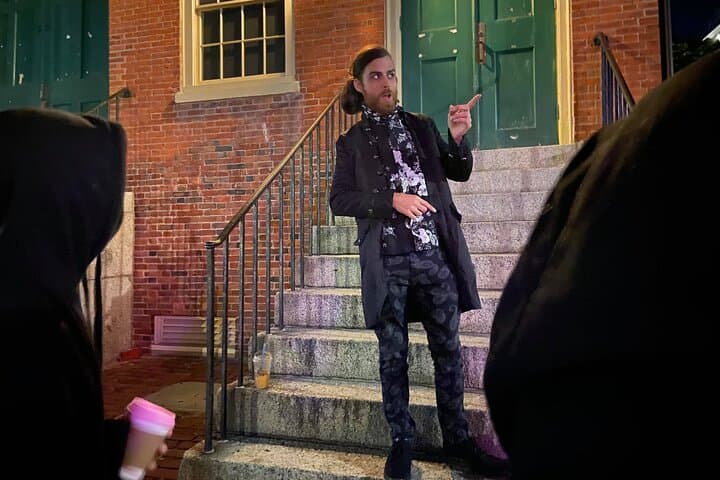
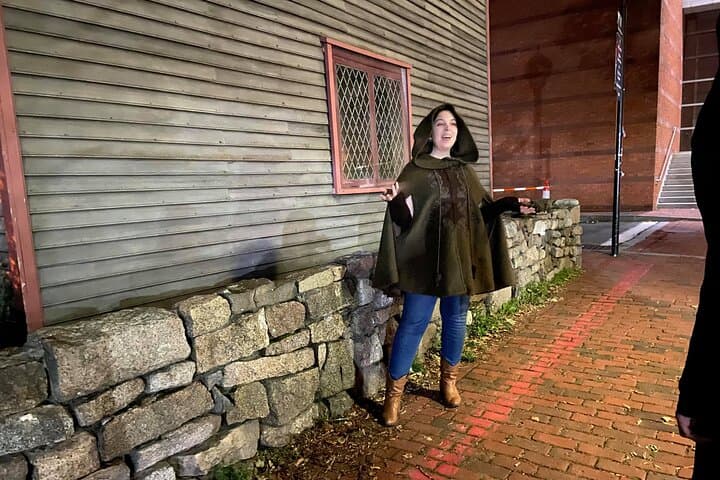
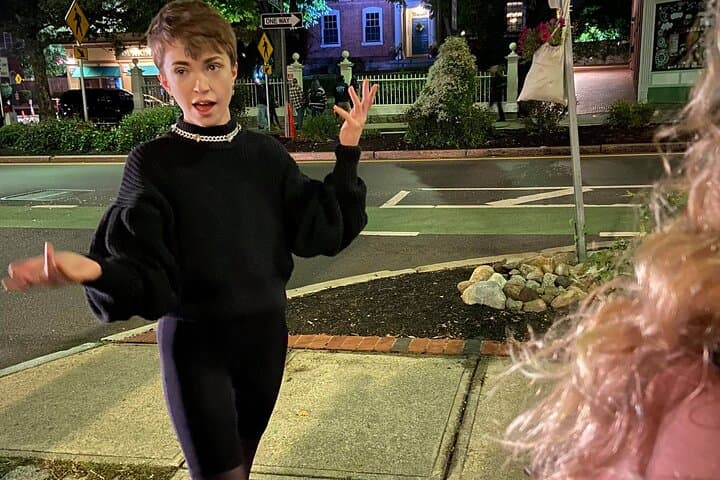
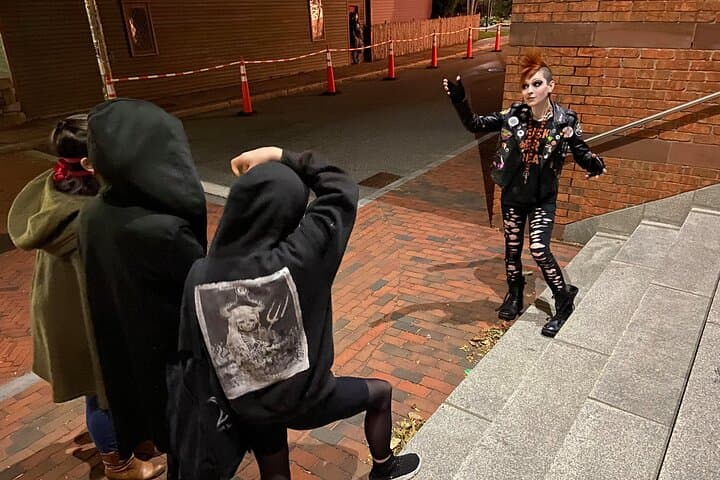
Cobblestones click underfoot and the harbor wind cuts like a question as you step off Shetland Park toward downtown Salem. The guide—local, practiced—pulls the moment taut: a ledger of names, a red-marked map, a quiet cemetery gate. For 90 minutes you move through streets that still hold the geometry of a 17th‑century port town, past brick mills and narrow alleys where rumor once spread faster than news.
Cobblestones click underfoot and the harbor wind cuts like a question as you step off Shetland Park toward downtown Salem. The guide—local, practiced—pulls the moment taut: a ledger of names, a red-marked map, a quiet cemetery gate. For 90 minutes you move through streets that still hold the geometry of a 17th‑century port town, past brick mills and narrow alleys where rumor once spread faster than news.
Salem’s witch trials unfolded in 1692 amid Puritan strictures, economic strain, and a legal system that prized confession. The town’s geology—glacially scoured shores and a protected harbor—made it a profitable maritime hub; prosperity and paranoia grew side by side. Stops typically include the Old Burying Point, locations tied to accused residents, and the cemetery where Judge Hathorne rests. Guides weave social context—family networks, clergy influence—and point out how later 18th‑ and 19th‑century rebuilding layered new architecture atop older plots.
Practicalities are direct: tours start and end at Stardust Salem (the Pequot House in Shetland Park); arrive 10–15 minutes early. Expect 1–1.5 miles of walking on sidewalks and uneven cobbles, gentle grades, and frequent stops for storytelling. The route is rated easy and wheelchair accessible on main sections, but cobbles and curbs can pose challenges—bring sturdy shoes. Morning slots are quieter and cooler; late‑season evenings catch a low winter light that sharpens gravestone inscriptions. This is an interpretive, history‑forward walk—come ready with questions, a water bottle, and a sense of respectful curiosity.