THE ADVENTURE COLLECTIVE® · Independent discovery and booking for outdoor travel

Trace Liverpool’s maritime and civic past on a 2½-hour walking tour from the Albert Dock through the Georgian Quarter and cathedrals. Expect architecture, wartime history, and hidden local stories delivered at an easy but steady pace.
Trace Liverpool’s maritime and civic past on a 2½-hour walking tour from the Albert Dock through the Georgian Quarter and cathedrals. Expect architecture, wartime history, and hidden local stories delivered at an easy but steady pace.
The guide leads the group out from the shadow of the Albert Dock, boots tapping cobbles as the Mersey air pushes against the face of the city. Walkers move through a sequence of built environments — dock warehouses, wide neoclassical squares and narrow Victorian lanes — each with a different voice that speaks of trade, conflict and reinvention.
Verified experiences and guided adventures in the surrounding area.
Operated by Steps in Time: Liverpool Walking Tour · Liverpool, Merseyside
The guide leads the group out from the shadow of the Albert Dock, boots tapping cobbles as the Mersey air pushes against the face of the city. Walkers move through a sequence of built environments — dock warehouses, wide neoclassical squares and narrow Victorian lanes — each with a different voice that speaks of trade, conflict and reinvention.
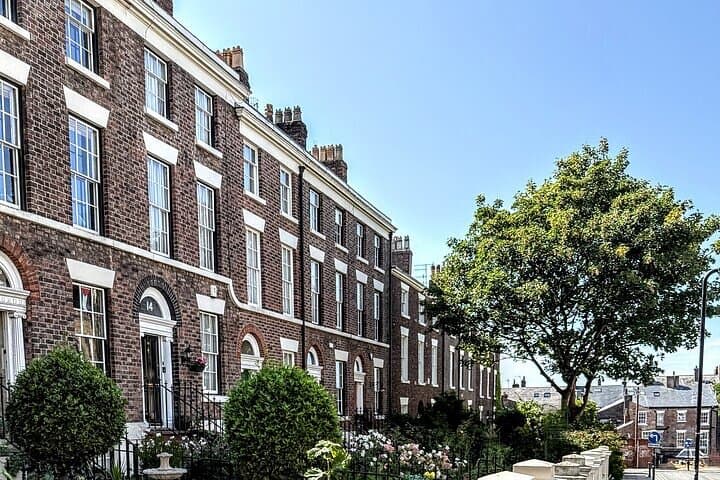
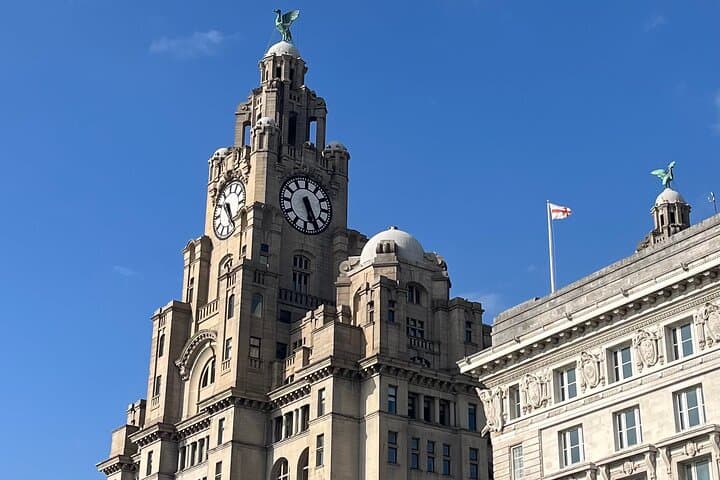
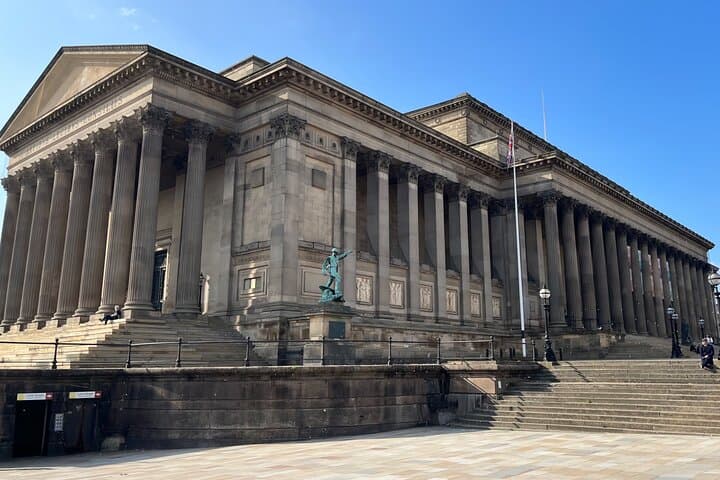
Liverpool’s story is visible in stone and skyline: the Albert Dock’s cast-iron ribs and warehouses recall 19th-century maritime power; plaques and plaques mark links to the RMS Titanic and the port’s role in the transatlantic slave trade; St George’s Hall and the Georgian Quarter show the civic pride born of empire. The tour pauses at the twin giants of worship — the Metropolitan Cathedral and the Anglican Cathedral — whose architecture frames very different faith and civic narratives.
Geology here is subtle: red brick and sandstone quarried locally, reclaimed timber and river-worn stone tell of an estuary economy shaped by tidal flow. Cultural life threads Chinatown, university squares and hidden pubs into the route, while Blitz sites and memorials keep memory close.
Practical notes: the tour runs roughly 2½ hours and covers variable pavement with some steep streets; comfortable footwear and light layers are advisable year-round. Public transport serves the start and finish; book ahead to secure a spot and notify the operator of accessibility needs. Expect frequent stops for stories and photos, and come prepared to walk at a steady, conversational pace.
moderate.
2–2.5 hours.
Moderate—participants should be comfortable walking for 2–3 hours with short uphill sections.
Most departures meet near Albert Dock; the guide will confirm the exact meeting point on your booking and the tour typically finishes within walking distance of the start, near central stations.
The operator notes accessibility options—email before booking to discuss adjustments; some sections include steep streets that may be challenging.
Full refunds are available if you cancel at least 24 hours before the scheduled departure; check the booking terms for exceptions.
Children aged 7 and above are permitted; the pace and content are suitable for older kids who can walk for the full duration.
Liverpool grew into a global port in the 18th–19th centuries; its wealth came from maritime trade including connections to the transatlantic slave economy, and the city was heavily bombed during WWII.
Visit museums and local initiatives that interpret difficult histories; stay on marked paths and respect memorials to reduce wear on historic fabric.
Steps in Time: Liverpool Walking Tour operates guided outdoor trips and adventures with an emphasis on safety, stewardship, and memorable experiences.
The guide leads the group out from the shadow of the Albert Dock, boots tapping cobbles as the Mersey air pushes against the face of the city. Walkers move through a sequence of built environments — dock warehouses, wide neoclassical squares and narrow Victorian lanes — each with a different voice that speaks of trade, conflict and reinvention.
The guide leads the group out from the shadow of the Albert Dock, boots tapping cobbles as the Mersey air pushes against the face of the city. Walkers move through a sequence of built environments — dock warehouses, wide neoclassical squares and narrow Victorian lanes — each with a different voice that speaks of trade, conflict and reinvention.
Liverpool’s story is visible in stone and skyline: the Albert Dock’s cast-iron ribs and warehouses recall 19th-century maritime power; plaques and plaques mark links to the RMS Titanic and the port’s role in the transatlantic slave trade; St George’s Hall and the Georgian Quarter show the civic pride born of empire. The tour pauses at the twin giants of worship — the Metropolitan Cathedral and the Anglican Cathedral — whose architecture frames very different faith and civic narratives.
Geology here is subtle: red brick and sandstone quarried locally, reclaimed timber and river-worn stone tell of an estuary economy shaped by tidal flow. Cultural life threads Chinatown, university squares and hidden pubs into the route, while Blitz sites and memorials keep memory close.
Practical notes: the tour runs roughly 2½ hours and covers variable pavement with some steep streets; comfortable footwear and light layers are advisable year-round. Public transport serves the start and finish; book ahead to secure a spot and notify the operator of accessibility needs. Expect frequent stops for stories and photos, and come prepared to walk at a steady, conversational pace.