THE ADVENTURE COLLECTIVE® · Independent discovery and booking for outdoor travel

Learn salsa outdoors in a central San Juan park with a one-hour lesson suited to beginners through advanced students. Expect live energy, flat pavement at sea level, and instant access to the city’s evening dance scene.
Learn salsa outdoors in a central San Juan park with a one-hour lesson suited to beginners through advanced students. Expect live energy, flat pavement at sea level, and instant access to the city’s evening dance scene.
You arrive to brass horns and staccato claves drifting across a sun-warmed plaza, the pavement a makeshift wooden floor and a steady breeze from the harbor daring your first step.
Verified experiences and guided adventures in the surrounding area.
Operated by Across Caribe · San Juan, Puerto Rico
You arrive to brass horns and staccato claves drifting across a sun-warmed plaza, the pavement a makeshift wooden floor and a steady breeze from the harbor daring your first step.
In San Juan, salsa isn’t an abstraction — it’s the language of the street. The dance evolved from Afro-Caribbean, Cuban, and Puerto Rican influences brought to the island’s ports and neighborhoods over the last century. In an outdoor class set at a central city park, the city’s colonial stones and coastal air become part of the lesson: flat, even ground at sea level makes it easy to focus on rhythm rather than footing.
The music threads history through movement — call-and-response patterns, syncopated steps, partnered turns — while nearby bars and plazas offer instant practice venues after class. Public transit and walkable streets mean you can go from lesson to dinner in minutes; pockets of local cuisine and late-night dance spots keep the evening alive.
Practical guidance: the one-hour class is tailored to beginners but scales up, and you don’t need a partner. Wear low-profile shoes with smooth soles (sneakers with a thin sole or dance shoes), bring a reusable water bottle, and expect sun or trade-wind breezes depending on season. Arrive 10–15 minutes early to warm up and claim a spot; classes are wheelchair accessible. If rain threatens, organizers typically cancel with advance notice. Plan for light clothing, a small towel, and a little cash for street food or a post-class drink. With steady beats underfoot and the sea at your shoulder, the city quite literally moves with you.
easy.
1 hour.
Suitable for most fitness levels; light cardiovascular activity and basic coordination required
No — the workshop is designed for solo participants and partners; instructors will pair people as needed.
Yes — the venue and surfaces are wheelchair accessible and the class is suitable for a range of mobility levels.
Wear comfortable, breathable clothing and smooth-soled shoes suitable for pivoting; bring sun protection if daytime.
Organizers typically cancel in bad weather and offer a full refund if canceled at least 24 hours before the start time; check confirmation for real-time updates.
Salsa in Puerto Rico grew from Afro-Caribbean and Cuban rhythms mixed with local dance traditions; public plazas and streets have long served as informal dance floors.
Treat public parks respectfully: keep noise and litter to a minimum, stick to paved areas to protect vegetation, and support local businesses that practice sustainable waste management.
Across Caribe operates guided outdoor trips and adventures with an emphasis on safety, stewardship, and memorable experiences.


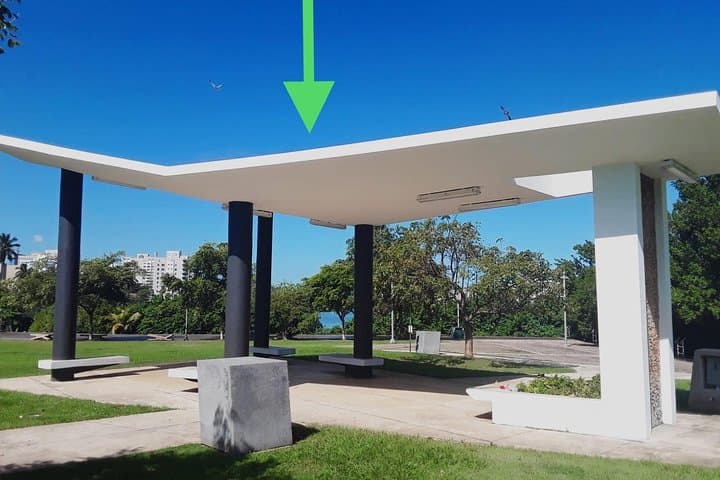

You arrive to brass horns and staccato claves drifting across a sun-warmed plaza, the pavement a makeshift wooden floor and a steady breeze from the harbor daring your first step.
You arrive to brass horns and staccato claves drifting across a sun-warmed plaza, the pavement a makeshift wooden floor and a steady breeze from the harbor daring your first step.
In San Juan, salsa isn’t an abstraction — it’s the language of the street. The dance evolved from Afro-Caribbean, Cuban, and Puerto Rican influences brought to the island’s ports and neighborhoods over the last century. In an outdoor class set at a central city park, the city’s colonial stones and coastal air become part of the lesson: flat, even ground at sea level makes it easy to focus on rhythm rather than footing.
The music threads history through movement — call-and-response patterns, syncopated steps, partnered turns — while nearby bars and plazas offer instant practice venues after class. Public transit and walkable streets mean you can go from lesson to dinner in minutes; pockets of local cuisine and late-night dance spots keep the evening alive.
Practical guidance: the one-hour class is tailored to beginners but scales up, and you don’t need a partner. Wear low-profile shoes with smooth soles (sneakers with a thin sole or dance shoes), bring a reusable water bottle, and expect sun or trade-wind breezes depending on season. Arrive 10–15 minutes early to warm up and claim a spot; classes are wheelchair accessible. If rain threatens, organizers typically cancel with advance notice. Plan for light clothing, a small towel, and a little cash for street food or a post-class drink. With steady beats underfoot and the sea at your shoulder, the city quite literally moves with you.