THE ADVENTURE COLLECTIVE® · Independent discovery and booking for outdoor travel

Enter Dubai’s 3D World Selfie Museum and become part of the painting: nearly 200 oversized, hand-painted installations across nine zones invite playful poses and social-media-ready shots. This guide explains what to expect and how to plan your visit.
Enter Dubai’s 3D World Selfie Museum and become part of the painting: nearly 200 oversized, hand-painted installations across nine zones invite playful poses and social-media-ready shots. This guide explains what to expect and how to plan your visit.
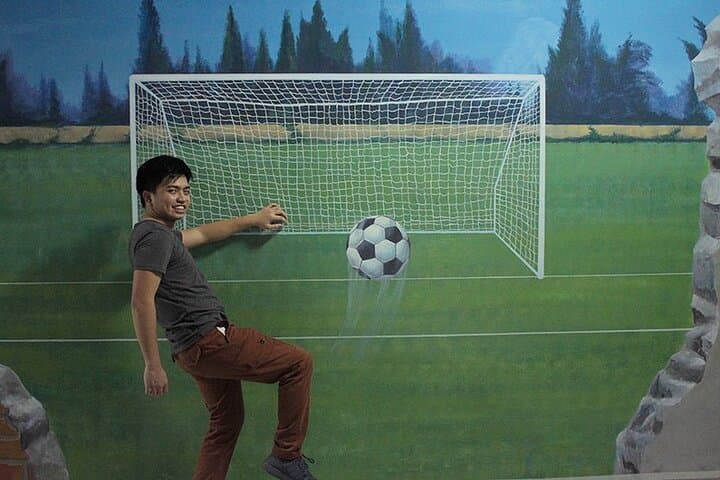
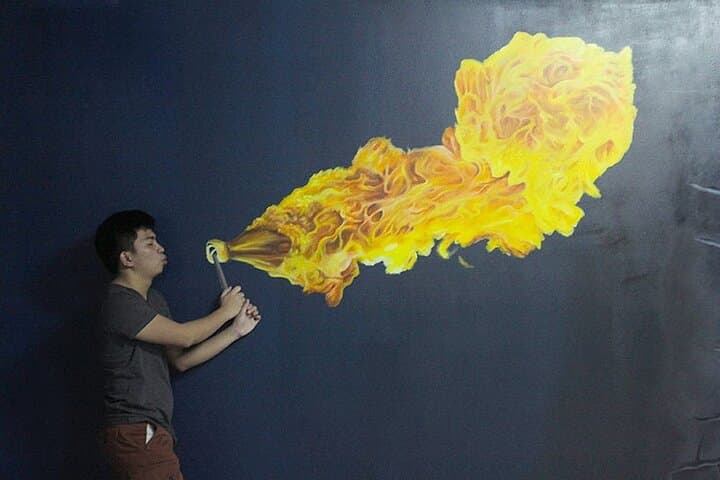
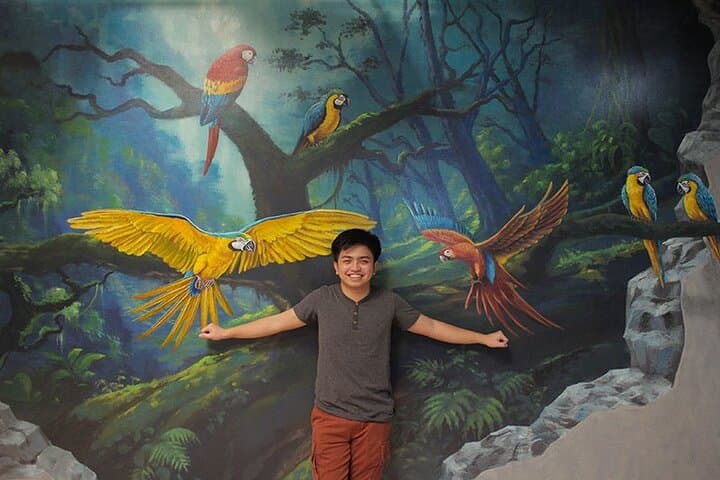
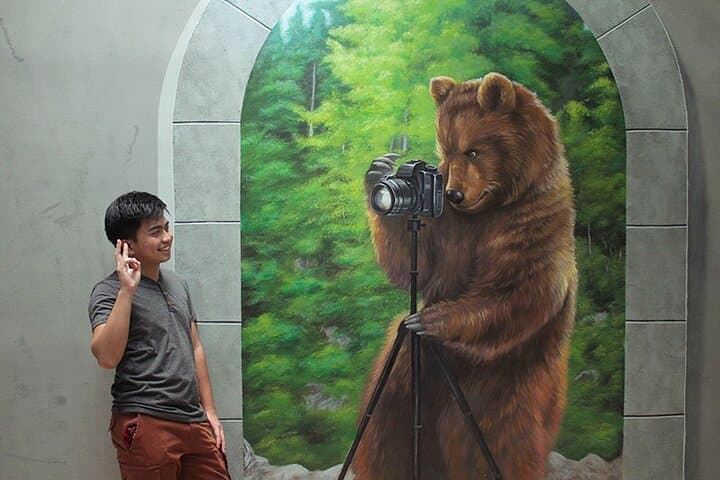
You step through a low-lit entrance and the floor seems to tilt underfoot: whales arc from the tile, a painted street drops away, and a painted tiger peers over a ledge daring you to pose. The 3D World Selfie Museum spreads across roughly 21,000 square feet with nearly 200 hand-painted trompe-l’oeil installations across nine themed zones—designed not to be observed from a distance but entered and completed by your pose.
Verified experiences and guided adventures in the surrounding area.
Operated by ICL Tours · Dubai, Dubai
You step through a low-lit entrance and the floor seems to tilt underfoot: whales arc from the tile, a painted street drops away, and a painted tiger peers over a ledge daring you to pose. The 3D World Selfie Museum spreads across roughly 21,000 square feet with nearly 200 hand-painted trompe-l’oeil installations across nine themed zones—designed not to be observed from a distance but entered and completed by your pose.
The museum is part of Dubai’s recent cultural pivot toward immersive entertainment, joining galleries and experience centers that reflect the emirate’s rapid growth over the last two decades. Geologically, the city still sits on a coastal plain of reclaimed sand and marine sediments—its art and architecture are deliberate offsets to the flat desert beyond. Socially, the attraction taps into Dubai’s selfie-forward, highly connected visitor economy: installations are staged for social media impact as much as for surprise.
Practical guidance: plan 1–3 hours depending on photo time. Bring a fully charged phone or camera and a portable battery—light is controlled and many scenes favor ambient, no-flash photography to protect pigments. Weekdays and early mornings are quietest; expect crowds on weekends and evenings. Mobility access is generally good, but some displays require short crouches or steps for the ideal angle. Tickets are mobile and non-refundable, so check times before you go.
Inside, the paintings reach for attention and the walls invite interaction; move deliberately, respect the art, and allow others their moment—you’ll leave with a curated set of surreal images and a practical sense of how Dubai packages spectacle for the lens.
easy.
1–3 hours.
Light activity: standing, short crouches, and easy walking; suitable for most visitors.
Yes—photography is the main activity; however, flash and professional tripods are generally prohibited to protect artworks and maintain visitor flow.
Most visitors spend 1–3 hours, depending on crowding and how many staged shots you create; quick walkthroughs can take about an hour.
The facility is designed for general accessibility with ramps and level exhibits, but some installations require brief steps or low crouches for optimal framing—ask staff for assistance if needed.
Tickets are mobile and non-refundable; confirm your time slot before purchase since the attraction enforces booked entry times.
Opened as part of Dubai’s push into immersive leisure experiences, the museum bills itself as the world’s largest 3D art venue with nearly 200 installations across nine zones.
The museum emphasizes no-flash photography to protect paint and often uses LED lighting to reduce energy use; visitors should avoid touching painted surfaces and dispose of waste responsibly.
ICL Tours operates guided outdoor trips and adventures with an emphasis on safety, stewardship, and memorable experiences.
You step through a low-lit entrance and the floor seems to tilt underfoot: whales arc from the tile, a painted street drops away, and a painted tiger peers over a ledge daring you to pose. The 3D World Selfie Museum spreads across roughly 21,000 square feet with nearly 200 hand-painted trompe-l’oeil installations across nine themed zones—designed not to be observed from a distance but entered and completed by your pose.
You step through a low-lit entrance and the floor seems to tilt underfoot: whales arc from the tile, a painted street drops away, and a painted tiger peers over a ledge daring you to pose. The 3D World Selfie Museum spreads across roughly 21,000 square feet with nearly 200 hand-painted trompe-l’oeil installations across nine themed zones—designed not to be observed from a distance but entered and completed by your pose.
The museum is part of Dubai’s recent cultural pivot toward immersive entertainment, joining galleries and experience centers that reflect the emirate’s rapid growth over the last two decades. Geologically, the city still sits on a coastal plain of reclaimed sand and marine sediments—its art and architecture are deliberate offsets to the flat desert beyond. Socially, the attraction taps into Dubai’s selfie-forward, highly connected visitor economy: installations are staged for social media impact as much as for surprise.
Practical guidance: plan 1–3 hours depending on photo time. Bring a fully charged phone or camera and a portable battery—light is controlled and many scenes favor ambient, no-flash photography to protect pigments. Weekdays and early mornings are quietest; expect crowds on weekends and evenings. Mobility access is generally good, but some displays require short crouches or steps for the ideal angle. Tickets are mobile and non-refundable, so check times before you go.
Inside, the paintings reach for attention and the walls invite interaction; move deliberately, respect the art, and allow others their moment—you’ll leave with a curated set of surreal images and a practical sense of how Dubai packages spectacle for the lens.