THE ADVENTURE COLLECTIVE® · Independent discovery and booking for outdoor travel

Climb the gangway of the world’s only surviving tea clipper and stand beneath a hull that once raced for the China tea trade. This two-hour Greenwich visit mixes hands-on shipboard displays with sweeping Thames views.
Climb the gangway of the world’s only surviving tea clipper and stand beneath a hull that once raced for the China tea trade. This two-hour Greenwich visit mixes hands-on shipboard displays with sweeping Thames views.
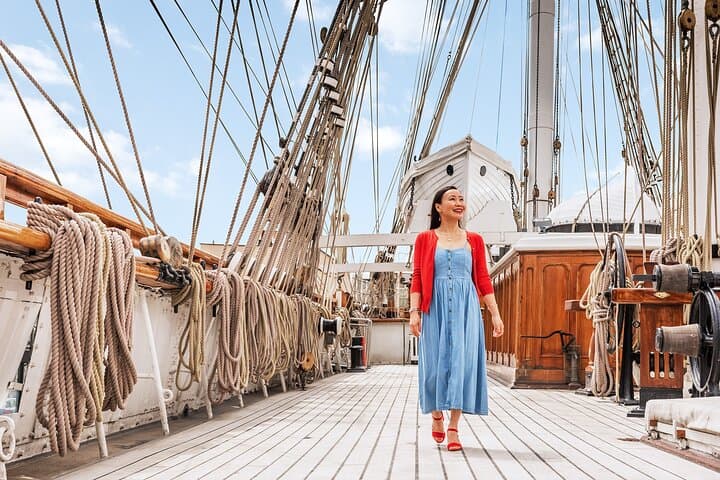
A cool Thames wind cuts across the main deck as you climb aboard the Cutty Sark. The masts tower above you, rigging humming slightly in the breeze, and the hull—lifted clear of the ground—reveals iron ribs and original planking that survived long ocean passages and a dramatic restoration.
Verified experiences and guided adventures in the surrounding area.
Operated by National Maritime Museum · Greenwich, England
A cool Thames wind cuts across the main deck as you climb aboard the Cutty Sark. The masts tower above you, rigging humming slightly in the breeze, and the hull—lifted clear of the ground—reveals iron ribs and original planking that survived long ocean passages and a dramatic restoration.
Launched in 1869 for the China tea trade, Cutty Sark was built for speed and broke records crossing oceans. The ship’s design reflects a brief, intense era of sail power before steam took over. Greenwich itself is a layered place: Maritime Greenwich’s Georgian squares, the Queen’s House, and the nearby Royal Observatory mark Britain’s naval, navigational and imperial history.
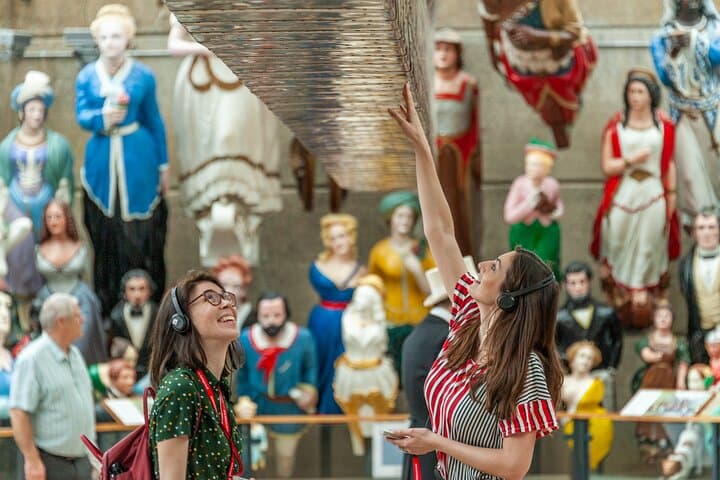
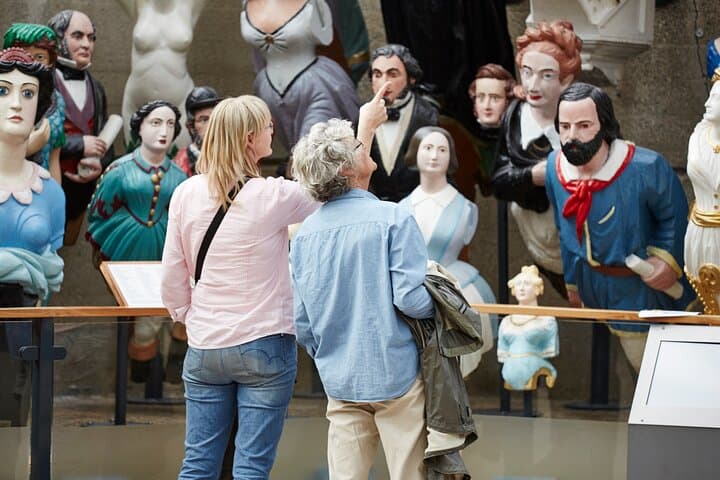
On the visitor route you can stand on the main deck, step into sailors’ quarters, take the helm, and walk beneath the raised hull to see construction techniques up close. The museum ties shipboard life to the wider Thames economy—shipbuilding, trade routes and Greenwich’s role as a timekeeping hub at the Prime Meridian.
Practicalities are straightforward: the entrance ticket admits for a roughly two-hour visit; the site is wheelchair accessible and close to Cutty Sark DLR and Greenwich station. Peak summer afternoons bring crowds—early mornings or late afternoons are quieter and offer cleaner photographic light over the river. Wear comfortable shoes for tight stairways and bring a light waterproof if rain threatens. Respect the conserved timbers—follow marked routes and avoid touching fragile displays. Whether you’re a maritime nerd or a curious traveler, the Cutty Sark is a tactile link to the age of sail and a compact, well-signposted museum experience in the heart of Greenwich.
easy.
2 hours.
Suitable for most fitness levels; involves stairs and some standing.
Most visitors spend around two hours exploring the decks, sailors’ quarters and under-hull galleries; combine with nearby museums for a half-day outing.
Yes — the Cutty Sark is wheelchair accessible with ramps and lift access to key exhibits; check the venue website for details on specific routes.
Mobile or paper tickets are accepted; keep your confirmation ready on arrival for scanning.
Children under 4 are admitted free, but children must be supervised by an accompanying adult.
Built in 1869 for the fast China tea route, Cutty Sark is the last surviving tea clipper and reflects late-19th-century advances in composite shipbuilding.
A major conservation project raised the ship to expose and conserve her hull; ongoing preservation relies on visitor management and avoiding contact with fragile timbers.
National Maritime Museum operates guided outdoor trips and adventures with an emphasis on safety, stewardship, and memorable experiences.

A cool Thames wind cuts across the main deck as you climb aboard the Cutty Sark. The masts tower above you, rigging humming slightly in the breeze, and the hull—lifted clear of the ground—reveals iron ribs and original planking that survived long ocean passages and a dramatic restoration.
A cool Thames wind cuts across the main deck as you climb aboard the Cutty Sark. The masts tower above you, rigging humming slightly in the breeze, and the hull—lifted clear of the ground—reveals iron ribs and original planking that survived long ocean passages and a dramatic restoration.
Launched in 1869 for the China tea trade, Cutty Sark was built for speed and broke records crossing oceans. The ship’s design reflects a brief, intense era of sail power before steam took over. Greenwich itself is a layered place: Maritime Greenwich’s Georgian squares, the Queen’s House, and the nearby Royal Observatory mark Britain’s naval, navigational and imperial history.
On the visitor route you can stand on the main deck, step into sailors’ quarters, take the helm, and walk beneath the raised hull to see construction techniques up close. The museum ties shipboard life to the wider Thames economy—shipbuilding, trade routes and Greenwich’s role as a timekeeping hub at the Prime Meridian.
Practicalities are straightforward: the entrance ticket admits for a roughly two-hour visit; the site is wheelchair accessible and close to Cutty Sark DLR and Greenwich station. Peak summer afternoons bring crowds—early mornings or late afternoons are quieter and offer cleaner photographic light over the river. Wear comfortable shoes for tight stairways and bring a light waterproof if rain threatens. Respect the conserved timbers—follow marked routes and avoid touching fragile displays. Whether you’re a maritime nerd or a curious traveler, the Cutty Sark is a tactile link to the age of sail and a compact, well-signposted museum experience in the heart of Greenwich.