THE ADVENTURE COLLECTIVE® · Independent discovery and booking for outdoor travel

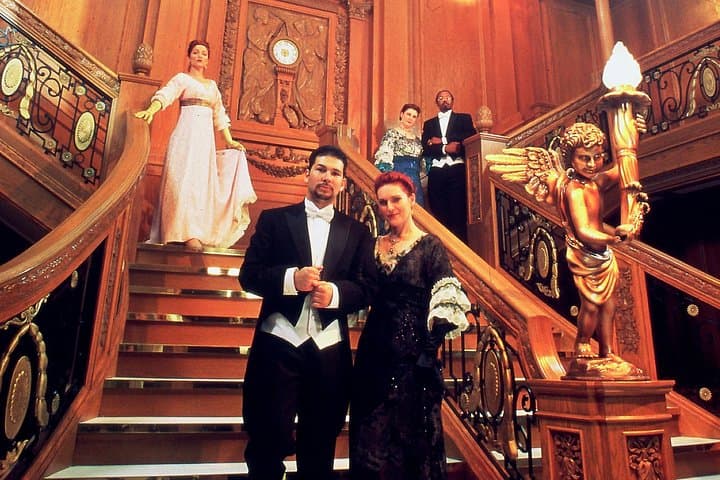
Explore 17 galleries of authentic artifacts and costumed interpreters that bring Titanic’s story to life on International Drive. Plan 1–3 hours, arrive early, and check accessibility and last-entry rules.
Explore 17 galleries of authentic artifacts and costumed interpreters that bring Titanic’s story to life on International Drive. Plan 1–3 hours, arrive early, and check accessibility and last-entry rules.
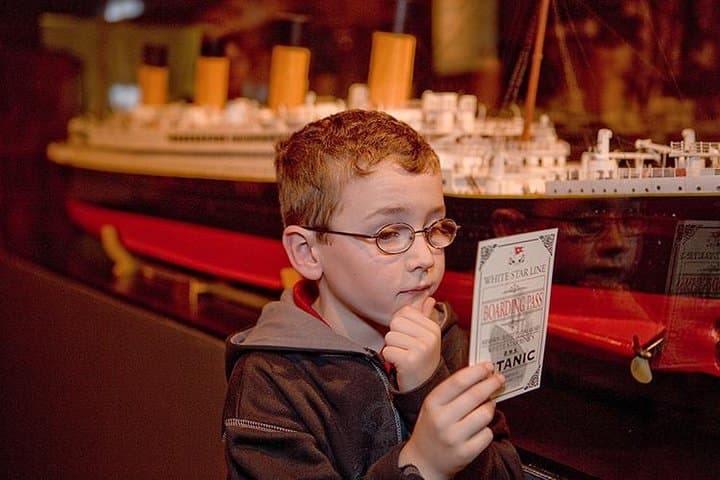
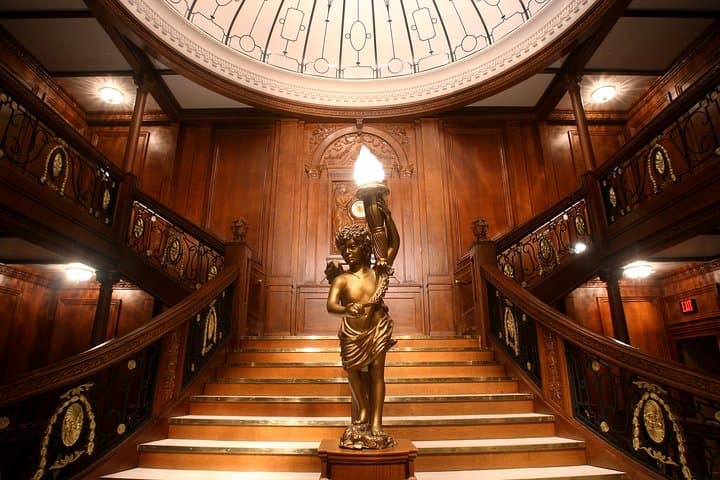
Walk through an entryway that feels more like stepping into 1912 than into a mall. The temperature drops, the voices shift, and wood-paneled cases hold objects that once belonged to passengers and crew—buttons, glassware, a child’s shoe—each one carrying the grease and salt of a North Atlantic voyage.
Verified experiences and guided adventures in the surrounding area.
Operated by Titanic The Artifact Exhibition · Orlando, Florida
Walk through an entryway that feels more like stepping into 1912 than into a mall. The temperature drops, the voices shift, and wood-paneled cases hold objects that once belonged to passengers and crew—buttons, glassware, a child’s shoe—each one carrying the grease and salt of a North Atlantic voyage.
The exhibition arranges 17 galleries to trace Titanic’s last hours, the ship’s construction and the aftermath. Many artifacts were recovered from the wreck site more than 12,000 feet below the ocean; others are period pieces that illustrate Edwardian life. Costumed interpreters play named passengers to connect names on plaques with human stories. Set on Orlando’s International Drive, the installation frames the tragedy not as spectacle but as material history you can almost touch.
Beyond the glass, the exhibit invites questions about early-20th-century engineering, transatlantic travel, and social class aboard ocean liners. It also touches on maritime archaeology: how teams document and conserve fragile items brought up from the deep.
Practical advice: allow 60–180 minutes depending on your pace; arrive early to avoid peak afternoons on I‑Drive. Photography of displays is often permitted but flash may be restricted to protect artifacts. The site is wheelchair and stroller accessible and keeps the last entry 60 minutes before closing. Tickets are mobile-friendly and refundable up to 24 hours prior. Bring a light layer—the galleries are cool—and read your assigned passenger card to personalize the tour. For history-minded travelers who prefer structured, artifact-driven storytelling, this exhibition turns label-reading into a small, solemn voyage.
easy.
1–3 hours.
Suitable for all fitness levels; involves standing and some walking on level surfaces.
Plan 60–180 minutes; casual visitors finish in an hour while history buffs may spend closer to three hours.
Yes — ramps, surfaces, and most galleries are wheelchair- and stroller-accessible; staff can assist on request.
Photography is generally permitted without flash; follow posted signs for any restricted displays.
Tickets are refundable for a full refund when canceled at least 24 hours before the scheduled time; same-day cancellations are non-refundable.
Titanic sank on April 15, 1912; the exhibit pairs recovered items and period artifacts to tell both the technical and human sides of the disaster.
The exhibition highlights conservation challenges—many recovered objects require controlled environments and careful restoration, reminding visitors of the ethics of recovering materials from deep-sea sites.
Titanic The Artifact Exhibition operates guided outdoor trips and adventures with an emphasis on safety, stewardship, and memorable experiences.

Walk through an entryway that feels more like stepping into 1912 than into a mall. The temperature drops, the voices shift, and wood-paneled cases hold objects that once belonged to passengers and crew—buttons, glassware, a child’s shoe—each one carrying the grease and salt of a North Atlantic voyage.
Walk through an entryway that feels more like stepping into 1912 than into a mall. The temperature drops, the voices shift, and wood-paneled cases hold objects that once belonged to passengers and crew—buttons, glassware, a child’s shoe—each one carrying the grease and salt of a North Atlantic voyage.
The exhibition arranges 17 galleries to trace Titanic’s last hours, the ship’s construction and the aftermath. Many artifacts were recovered from the wreck site more than 12,000 feet below the ocean; others are period pieces that illustrate Edwardian life. Costumed interpreters play named passengers to connect names on plaques with human stories. Set on Orlando’s International Drive, the installation frames the tragedy not as spectacle but as material history you can almost touch.
Beyond the glass, the exhibit invites questions about early-20th-century engineering, transatlantic travel, and social class aboard ocean liners. It also touches on maritime archaeology: how teams document and conserve fragile items brought up from the deep.
Practical advice: allow 60–180 minutes depending on your pace; arrive early to avoid peak afternoons on I‑Drive. Photography of displays is often permitted but flash may be restricted to protect artifacts. The site is wheelchair and stroller accessible and keeps the last entry 60 minutes before closing. Tickets are mobile-friendly and refundable up to 24 hours prior. Bring a light layer—the galleries are cool—and read your assigned passenger card to personalize the tour. For history-minded travelers who prefer structured, artifact-driven storytelling, this exhibition turns label-reading into a small, solemn voyage.