THE ADVENTURE COLLECTIVE® · Independent discovery and booking for outdoor travel

Spend a private day tasting three of the Winelands’ top estates—Stellenbosch, Franschhoek and Paarl—while learning about Pinotage, Méthode Cap Classique and cellar craft. This full-day tour blends vineyard walks, cellar access and a vintage tram ride with practical logistics handled by your guide.
Spend a private day tasting three of the Winelands’ top estates—Stellenbosch, Franschhoek and Paarl—while learning about Pinotage, Méthode Cap Classique and cellar craft. This full-day tour blends vineyard walks, cellar access and a vintage tram ride with practical logistics handled by your guide.
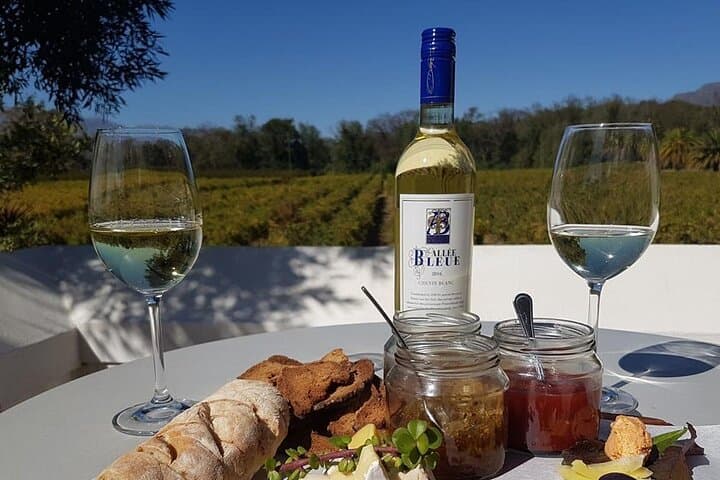
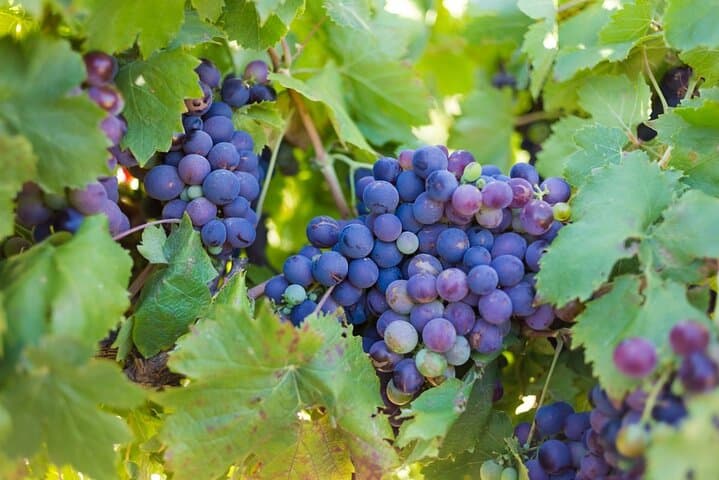
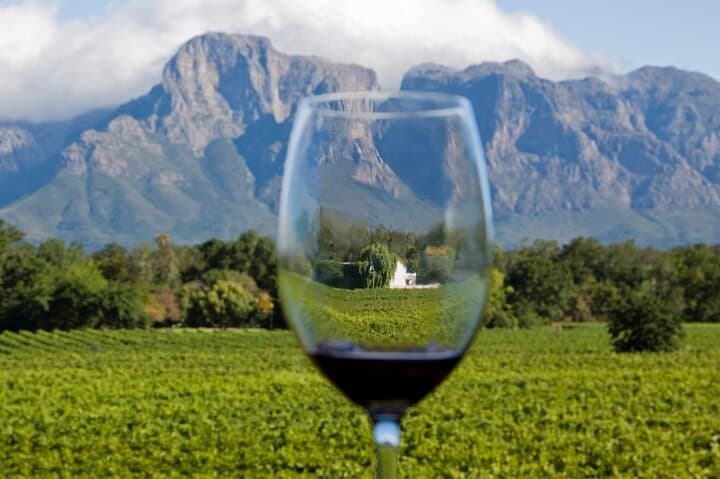
You ease out of Cape Town and the city gives way to folded hills and long rows of vines. The road climbs into a different climate—warmer air, sun striking glossy leaves—while the vineyards open like a map of seasons and soil.
Verified experiences and guided adventures in the surrounding area.
Operated by Matadi Africa And Travel Tours · Stellenbosch, Western Cape
You ease out of Cape Town and the city gives way to folded hills and long rows of vines. The road climbs into a different climate—warmer air, sun striking glossy leaves—while the vineyards open like a map of seasons and soil.
Stellenbosch and its neighbors Franschhoek and Paarl have shaped South Africa’s wine story since the 17th century: Cape Dutch homesteads, university-run research, and homegrown varieties like Pinotage (a 1920s cross unique to the country). The Winelands sit on Cape Fold Belt geology—sandstone and granite soils that stress vines in useful ways—while Méthode Cap Classique producers chase Champagne-style bubbles in cool cellars.
Culture here is both Afrikaans village and international tasting room: cellar tours, paired cheese sessions, and the vintage Franschhoek Tram that threads vineyards with a museum-like ease. Nearby, Drakenstein Prison is a sober historical stop where Nelson Mandela spent his final months before release.
Practical guidance: the full-day private itinerary covers three estates with cellar tours and tastings—plan roughly six hours door-to-door. Book tastings in advance and let your guide handle logistics; public transport is limited and you should not drive after tastings. Dress in layers for shifting coastal breezes, bring sun protection and a refillable water bottle, and carry ID if you plan to purchase wine to export. Expect short vineyard walks on compacted dirt and paved cellar paths; most estates are wheelchair accessible but check ahead for older Cape Dutch cellars.
Timely tips: mid-week visits are quieter, late summer to early autumn (Feb–Apr) is harvest season, and many farms practice sustainable viticulture—support those that reuse water and avoid single-use plastics.
easy.
5–7 hours.
Suitable for most fitness levels; expect short, easy vineyard walks and standing during tastings
The private full-day tour runs about six hours door-to-door, covering three estates and travel time from Cape Town.
Yes—private transportation is provided and included in the tour price, removing the need to drive between estates.
Yes; most estates will help with purchases and shipping. Bring ID for export paperwork and check customs limits for your country.
Many estates and the tram have wheelchair-accessible areas, but accessibility varies by property—confirm specifics with the operator before booking.
The Winelands grew from 17th-century Dutch farms; Pinotage was developed locally in the 1920s and the region later developed Méthode Cap Classique sparkling wine production.
Many estates now practice water-wise irrigation and organic or biodynamic farming; visitors can support sustainability by minimizing single-use plastics and following estate guidelines.
Matadi Africa And Travel Tours operates guided outdoor trips and adventures with an emphasis on safety, stewardship, and memorable experiences.
You ease out of Cape Town and the city gives way to folded hills and long rows of vines. The road climbs into a different climate—warmer air, sun striking glossy leaves—while the vineyards open like a map of seasons and soil.
You ease out of Cape Town and the city gives way to folded hills and long rows of vines. The road climbs into a different climate—warmer air, sun striking glossy leaves—while the vineyards open like a map of seasons and soil.
Stellenbosch and its neighbors Franschhoek and Paarl have shaped South Africa’s wine story since the 17th century: Cape Dutch homesteads, university-run research, and homegrown varieties like Pinotage (a 1920s cross unique to the country). The Winelands sit on Cape Fold Belt geology—sandstone and granite soils that stress vines in useful ways—while Méthode Cap Classique producers chase Champagne-style bubbles in cool cellars.
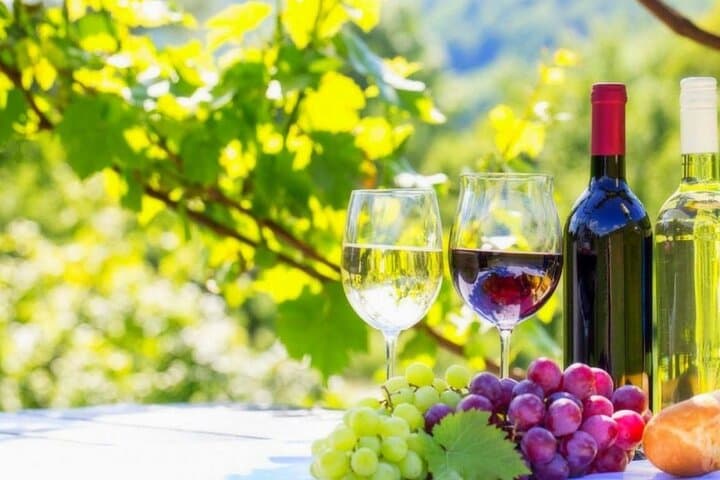
Culture here is both Afrikaans village and international tasting room: cellar tours, paired cheese sessions, and the vintage Franschhoek Tram that threads vineyards with a museum-like ease. Nearby, Drakenstein Prison is a sober historical stop where Nelson Mandela spent his final months before release.
Practical guidance: the full-day private itinerary covers three estates with cellar tours and tastings—plan roughly six hours door-to-door. Book tastings in advance and let your guide handle logistics; public transport is limited and you should not drive after tastings. Dress in layers for shifting coastal breezes, bring sun protection and a refillable water bottle, and carry ID if you plan to purchase wine to export. Expect short vineyard walks on compacted dirt and paved cellar paths; most estates are wheelchair accessible but check ahead for older Cape Dutch cellars.
Timely tips: mid-week visits are quieter, late summer to early autumn (Feb–Apr) is harvest season, and many farms practice sustainable viticulture—support those that reuse water and avoid single-use plastics.