THE ADVENTURE COLLECTIVE® · Independent discovery and booking for outdoor travel

Ride a vintage tram through Stellenbosch and Franschhoek’s wine country, hopping off to tour cellars, sample award-winning wines and enjoy mountain views. This hop-on hop-off format gives you time to explore at your own pace while a guide and tram ticket handle logistics.
Ride a vintage tram through Stellenbosch and Franschhoek’s wine country, hopping off to tour cellars, sample award-winning wines and enjoy mountain views. This hop-on hop-off format gives you time to explore at your own pace while a guide and tram ticket handle logistics.
The tram rounds a bend and the valley opens: rows of vines slope toward low, folded mountains that press the sky into a sharper blue. You step from a vintage-style tram, the air smelling faintly of sun-warmed oak and crushed grape skin, and the day becomes a series of short walks between tasting rooms, cellar doors and shaded courtyards.
Verified experiences and guided adventures in the surrounding area.
Operated by NY Cape Adventure's · Stellenbosch, Western Cape
The tram rounds a bend and the valley opens: rows of vines slope toward low, folded mountains that press the sky into a sharper blue. You step from a vintage-style tram, the air smelling faintly of sun-warmed oak and crushed grape skin, and the day becomes a series of short walks between tasting rooms, cellar doors and shaded courtyards.
This hop-on hop-off route threads two of South Africa’s oldest winemaking districts—Stellenbosch, a university town with Cape Dutch facades, and Franschhoek, founded by Huguenot settlers—both carved into the Cape Fold Belt. Vineyards sit on mixed shale and granite soils; the mountains channel cooling breezes that help produce the region’s signature elegant whites and restrained reds. The tram experience blends wine culture with landscape: cellar tours explain oak regimes and aging while tastings highlight varietal characters shaped by terroir.
Practical planning matters. The full loop runs about six hours with tram departures roughly every hour between about 08:45 and 13:00; treat it as a scenic, low-impact walking day rather than a strenuous hike. Bring government ID for tastings, pace yourself between estates, and book the tram ticket with pickup logistics confirmed in advance. Comfortable shoes and sun protection matter—some cellar grounds are gravel or uneven, and summer sun is strong. Expect wheelchair-accessible stops and easy physical demands but limited seating on the tram during peak times. If you want a structured meal, reserve a lunch slot at a winery; if you prefer flexibility, hop off to explore boutique estates and return on a later tram. The tram hands you the tempo—slow down to listen to the valley and the wines will tell you the rest.
easy.
6 hours.
Suitable for most fitness levels; involves short walks between estates and standing during tastings
The full hop-on hop-off loop runs about six hours; you can stay on for the full route or hop off at any scheduled stop to explore.
Some cellar doors and restaurants require reservations for tastings or lunch seating—book ahead for weekend visits and popular estates.
Yes—the tram and most stops are wheelchair accessible, but individual estate grounds may have uneven surfaces—call ahead for specifics.
Minors can ride the tram, but wine tasting is restricted to guests 18 and older and ID is required for anyone tasting.
Franschhoek was settled by French Huguenots in the 17th century and Stellenbosch grew around a Dutch colonial town—both regions have long viticultural traditions that shaped local architecture and cuisine.
Water is a precious resource in the Western Cape—many estates use drip irrigation and water-wise viticulture; stick to marked paths and avoid single-use plastics to reduce impact.
NY Cape Adventure's operates guided outdoor trips and adventures with an emphasis on safety, stewardship, and memorable experiences.
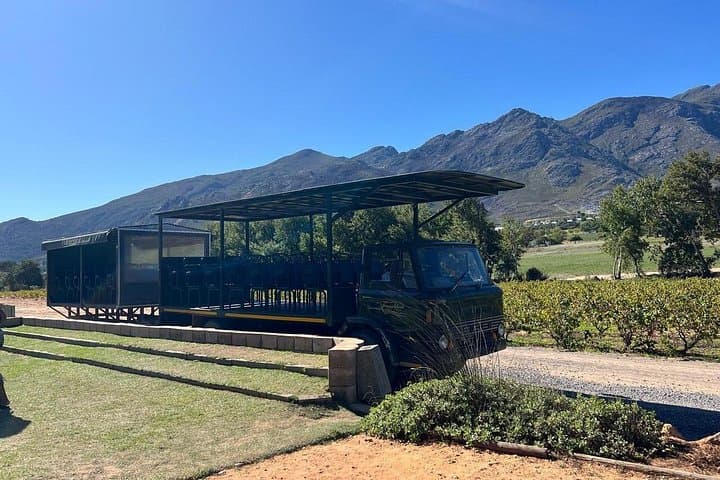
The tram rounds a bend and the valley opens: rows of vines slope toward low, folded mountains that press the sky into a sharper blue. You step from a vintage-style tram, the air smelling faintly of sun-warmed oak and crushed grape skin, and the day becomes a series of short walks between tasting rooms, cellar doors and shaded courtyards.
The tram rounds a bend and the valley opens: rows of vines slope toward low, folded mountains that press the sky into a sharper blue. You step from a vintage-style tram, the air smelling faintly of sun-warmed oak and crushed grape skin, and the day becomes a series of short walks between tasting rooms, cellar doors and shaded courtyards.
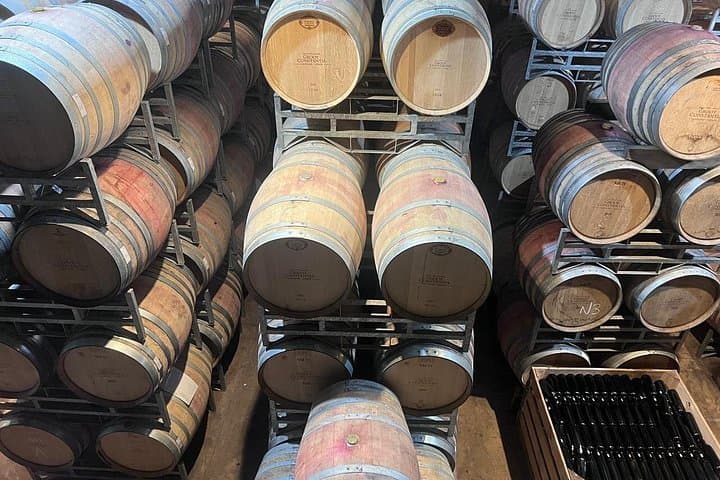
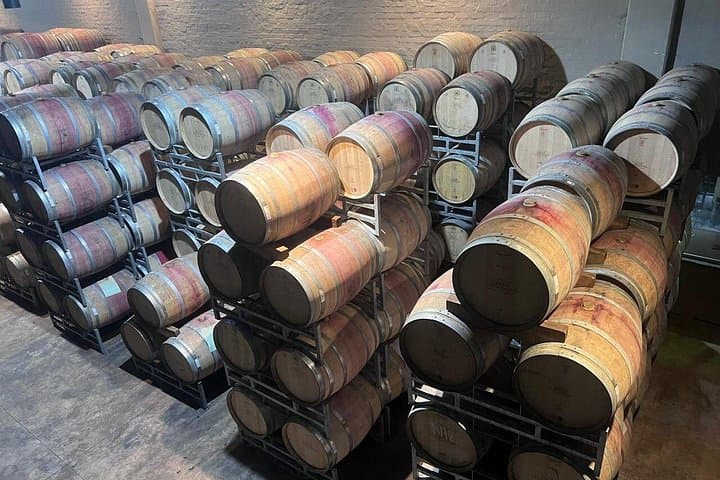
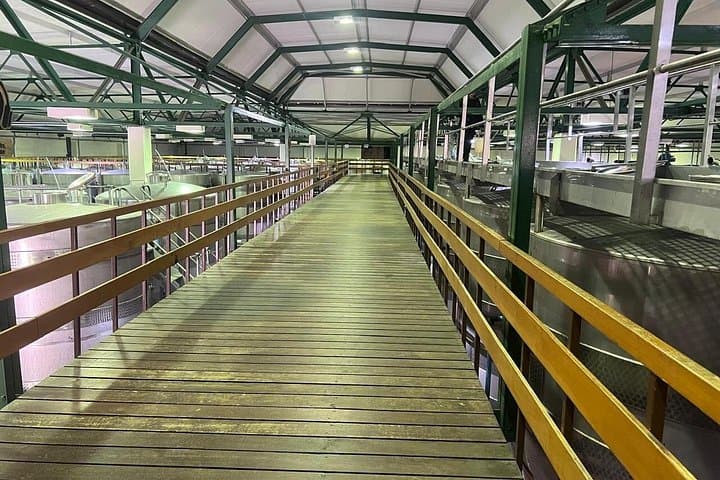
This hop-on hop-off route threads two of South Africa’s oldest winemaking districts—Stellenbosch, a university town with Cape Dutch facades, and Franschhoek, founded by Huguenot settlers—both carved into the Cape Fold Belt. Vineyards sit on mixed shale and granite soils; the mountains channel cooling breezes that help produce the region’s signature elegant whites and restrained reds. The tram experience blends wine culture with landscape: cellar tours explain oak regimes and aging while tastings highlight varietal characters shaped by terroir.
Practical planning matters. The full loop runs about six hours with tram departures roughly every hour between about 08:45 and 13:00; treat it as a scenic, low-impact walking day rather than a strenuous hike. Bring government ID for tastings, pace yourself between estates, and book the tram ticket with pickup logistics confirmed in advance. Comfortable shoes and sun protection matter—some cellar grounds are gravel or uneven, and summer sun is strong. Expect wheelchair-accessible stops and easy physical demands but limited seating on the tram during peak times. If you want a structured meal, reserve a lunch slot at a winery; if you prefer flexibility, hop off to explore boutique estates and return on a later tram. The tram hands you the tempo—slow down to listen to the valley and the wines will tell you the rest.