THE ADVENTURE COLLECTIVE® · Independent discovery and booking for outdoor travel

Spend a day in Stellenbosch sampling Méthode Cap Classique at boutique estates, touring cellars and meeting winemakers. This small-group excursion blends vineyard walks, historic estates and guided tastings for a hands-on MCC introduction.
Spend a day in Stellenbosch sampling Méthode Cap Classique at boutique estates, touring cellars and meeting winemakers. This small-group excursion blends vineyard walks, historic estates and guided tastings for a hands-on MCC introduction.
The day opens on a cool Cape morning as a small minivan threads the pass into Stellenbosch, vineyards fanning out like ordered waves below the mountain slopes. Grapevines lean into coastal breezes that ruffle rows of chardonnay and pinot noir; the air carries the sharp citrus of crushed skins and the faint fizz of bottles yet uncorked.
Verified experiences and guided adventures in the surrounding area.
Operated by Maziara · Stellenbosch, Western Cape
The day opens on a cool Cape morning as a small minivan threads the pass into Stellenbosch, vineyards fanning out like ordered waves below the mountain slopes. Grapevines lean into coastal breezes that ruffle rows of chardonnay and pinot noir; the air carries the sharp citrus of crushed skins and the faint fizz of bottles yet uncorked.
Stellenbosch has been a wine region since the 17th century and is central to the story of South African sparkling wine—Méthode Cap Classique (MCC). The route here is shaped by granite ridges and shale-rich soils that lend acidity and minerality to grapes, and the local cellar culture blends Dutch and Cape influences with modern vinification. Visits commonly include cellar tours, tastings of vintage MCC, and conversations with winemakers who explain cap-classique tirage and lees aging.
Expect a full day: four boutique estates, a longer stop for a vineyard walk and lunch at an historic house, plus a final sundowner option. Terrain is flat-to-gently-rolling between estates; cellar steps and gravel yards are typical. The group-focused format keeps the pace deliberate—sip, learn, and move on.
Practical notes: confirm pickup point in Cape Town, flag dietary needs in advance, and pace tastings—spit if you plan to drive afterward. Comfortable shoes and sun protection matter; mornings can be cool, afternoons warm. Travel with a small water bottle and a camera: vines will stare back as the light changes over the mountains.
This is a day for curious palates as much as casual walkers—an accessible, sensory primer on MCC set against one of South Africa’s most storied wine landscapes.
easy.
8–10 hours.
Suitable for most fitness levels; requires mobility for short vineyard walks and cellar stairs.
The itinerary visits four boutique estates with an additional sundowner option—expect four full tastings plus shorter stops and cellar tours.
The tour schedule lists a longer estate stop that typically includes lunch at that venue; confirm at booking as inclusions can vary by date.
Yes—round-trip pick-up and drop-off are offered within a selected Cape Town central radius; confirm your pickup point when booking.
The tour is suitable for most people but is not recommended for pregnant travelers or those with serious cardiovascular conditions; disclose special requirements at booking.
Stellenbosch dates to 1679 and developed into one of South Africa’s earliest wine regions; the area played a key role in the evolution of Cap Classique sparkling methods.
Many estates are adopting water-wise irrigation and biodiversity plantings; visitors can support sustainable practices by staying on paths and avoiding plastic waste.
Maziara operates guided outdoor trips and adventures with an emphasis on safety, stewardship, and memorable experiences.

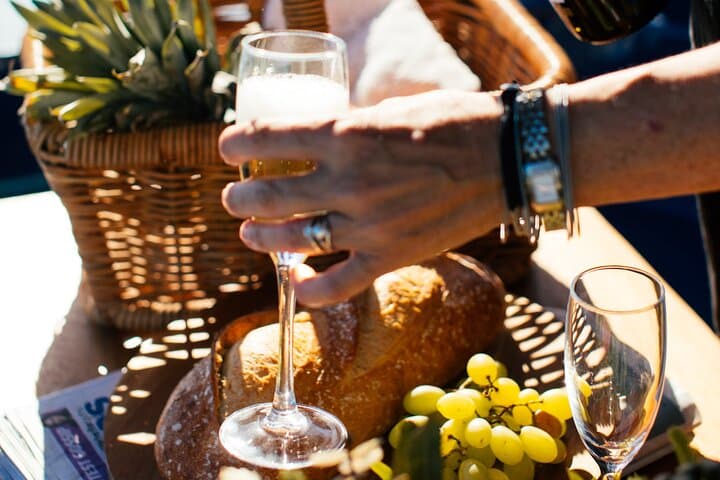
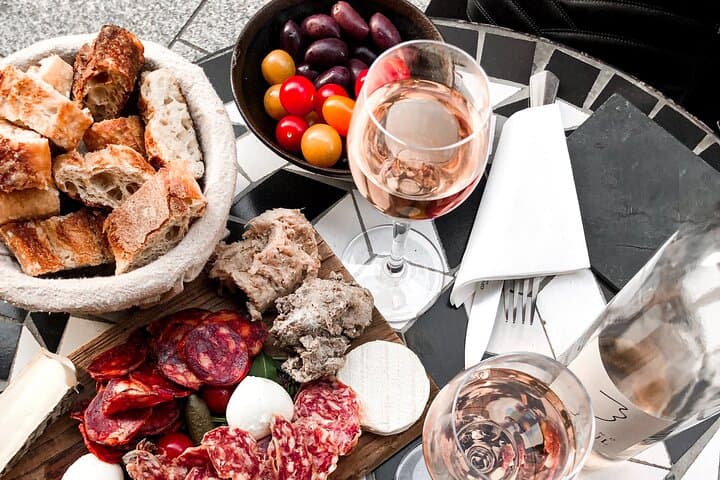
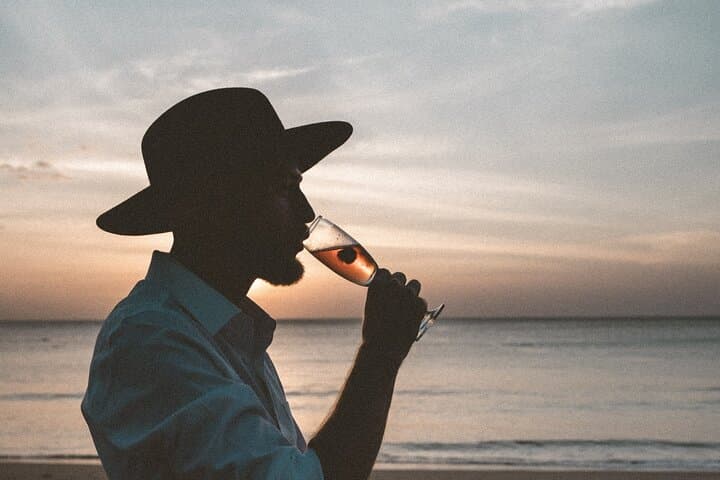
The day opens on a cool Cape morning as a small minivan threads the pass into Stellenbosch, vineyards fanning out like ordered waves below the mountain slopes. Grapevines lean into coastal breezes that ruffle rows of chardonnay and pinot noir; the air carries the sharp citrus of crushed skins and the faint fizz of bottles yet uncorked.
The day opens on a cool Cape morning as a small minivan threads the pass into Stellenbosch, vineyards fanning out like ordered waves below the mountain slopes. Grapevines lean into coastal breezes that ruffle rows of chardonnay and pinot noir; the air carries the sharp citrus of crushed skins and the faint fizz of bottles yet uncorked.
Stellenbosch has been a wine region since the 17th century and is central to the story of South African sparkling wine—Méthode Cap Classique (MCC). The route here is shaped by granite ridges and shale-rich soils that lend acidity and minerality to grapes, and the local cellar culture blends Dutch and Cape influences with modern vinification. Visits commonly include cellar tours, tastings of vintage MCC, and conversations with winemakers who explain cap-classique tirage and lees aging.
Expect a full day: four boutique estates, a longer stop for a vineyard walk and lunch at an historic house, plus a final sundowner option. Terrain is flat-to-gently-rolling between estates; cellar steps and gravel yards are typical. The group-focused format keeps the pace deliberate—sip, learn, and move on.
Practical notes: confirm pickup point in Cape Town, flag dietary needs in advance, and pace tastings—spit if you plan to drive afterward. Comfortable shoes and sun protection matter; mornings can be cool, afternoons warm. Travel with a small water bottle and a camera: vines will stare back as the light changes over the mountains.
This is a day for curious palates as much as casual walkers—an accessible, sensory primer on MCC set against one of South Africa’s most storied wine landscapes.