THE ADVENTURE COLLECTIVE® · Independent discovery and booking for outdoor travel

Skip the SIM swap and get online fast: this eSIM delivers 4G/5G data across the U.S. with easy QR-code activation and hotspot sharing. Read how to set it up, what coverage to expect, and practical tips for traveling coast to coast.
Skip the SIM swap and get online fast: this eSIM delivers 4G/5G data across the U.S. with easy QR-code activation and hotspot sharing. Read how to set it up, what coverage to expect, and practical tips for traveling coast to coast.
You step off the plane at LAX with a night sky smeared by jet trails and a phone that needs to work. An eSIM can switch carriers without a physical card—your signal finds a new route through city canyons, desert flats, and coastal highways.
Verified experiences and guided adventures in the surrounding area.
Operated by TraveleSIM · Los Angeles, California
You step off the plane at LAX with a night sky smeared by jet trails and a phone that needs to work. An eSIM can switch carriers without a physical card—your signal finds a new route through city canyons, desert flats, and coastal highways.
SIM cards arrived as small plastic chips decades ago; eSIMs are the next iteration, embedded in modern phones to provision profiles remotely. In the U.S., major networks and MVNOs operate on a mix of spectrum bands—expect broad 4G coverage and expanding 5G in urban and highway corridors, with gaps in remote mountain and desert zones. Culturally, mobile connectivity underpins navigation, ride apps, and on-the-go reservations; many towns lean on reliable data for tourism and local business.
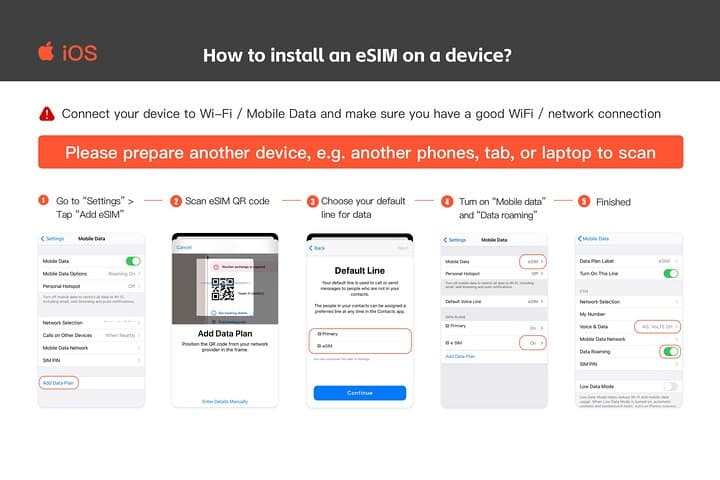
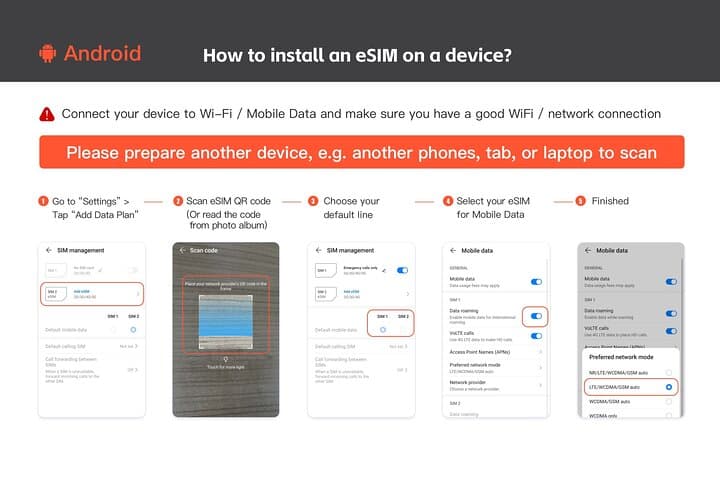
Practically, this eSIM activates via a QR code sent after purchase and supports hotspot sharing and T‑Mobile’s operator footprint across the continental U.S. Activate before your travel window and set the eSIM as the mobile-data line; keep your home SIM for texts or calls if you need a local number. Hotspot use will drain battery faster—carry a power bank and monitor data consumption on long drives.
Expect simple setup on compatible iPhones and Androids, but check device models and OS versions ahead of time. Coverage maps are useful: urban centers like Los Angeles, New York, and Miami show dense 5G, while national parks and backcountry routes may drop to 3G or no service. Use offline maps and a paper emergency contact as a backup when you push beyond populated areas.
easy.
3–30 days.
Suitable for travelers of any fitness level; this is a connectivity service rather than physical activity.
It provides wide 4G/5G coverage on T‑Mobile’s network across populated areas and major highways, but expect reduced service or gaps in remote national parks and some rural regions.
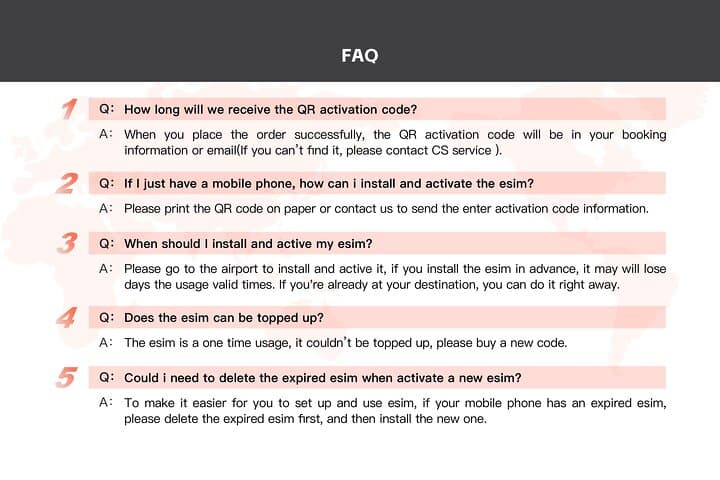
You’ll receive a QR code by email within one working day—scan it on your eSIM-capable device and set the eSIM as your mobile-data line before travel.
Yes—hotspot sharing is supported, but it will use your data allowance quickly and increase battery drain.
Cancel at least 24 hours before the scheduled start time for a full refund; once the eSIM is activated or expires, refunds or changes are not allowed.
SIM technology evolved from physical removable cards to embedded profiles; U.S. carriers expanded nationwide cellular infrastructure over the past three decades to enable widespread mobile data.
eSIMs reduce plastic waste from physical SIM cards and shipping; choose efficient data habits and rely on Wi‑Fi where available to lower network strain.
TraveleSIM operates guided outdoor trips and adventures with an emphasis on safety, stewardship, and memorable experiences.
You step off the plane at LAX with a night sky smeared by jet trails and a phone that needs to work. An eSIM can switch carriers without a physical card—your signal finds a new route through city canyons, desert flats, and coastal highways.
You step off the plane at LAX with a night sky smeared by jet trails and a phone that needs to work. An eSIM can switch carriers without a physical card—your signal finds a new route through city canyons, desert flats, and coastal highways.
SIM cards arrived as small plastic chips decades ago; eSIMs are the next iteration, embedded in modern phones to provision profiles remotely. In the U.S., major networks and MVNOs operate on a mix of spectrum bands—expect broad 4G coverage and expanding 5G in urban and highway corridors, with gaps in remote mountain and desert zones. Culturally, mobile connectivity underpins navigation, ride apps, and on-the-go reservations; many towns lean on reliable data for tourism and local business.
Practically, this eSIM activates via a QR code sent after purchase and supports hotspot sharing and T‑Mobile’s operator footprint across the continental U.S. Activate before your travel window and set the eSIM as the mobile-data line; keep your home SIM for texts or calls if you need a local number. Hotspot use will drain battery faster—carry a power bank and monitor data consumption on long drives.
Expect simple setup on compatible iPhones and Androids, but check device models and OS versions ahead of time. Coverage maps are useful: urban centers like Los Angeles, New York, and Miami show dense 5G, while national parks and backcountry routes may drop to 3G or no service. Use offline maps and a paper emergency contact as a backup when you push beyond populated areas.