THE ADVENTURE COLLECTIVE® · Independent discovery and booking for outdoor travel

Skip the airport SIM queues and use a single QR-activated eSIM across the UAE, Saudi Arabia, Qatar, Kuwait, Egypt, and Israel. This plan supports 4G/5G and hotspot sharing—ideal for travelers who move between cities and borders.
Skip the airport SIM queues and use a single QR-activated eSIM across the UAE, Saudi Arabia, Qatar, Kuwait, Egypt, and Israel. This plan supports 4G/5G and hotspot sharing—ideal for travelers who move between cities and borders.
You lift your phone in a Doha airport concourse, and instead of hunting for a shop or juggling SIM trays, a QR code takes you online—seamless, immediate, and valid across cities, deserts, and Mediterranean coasts.
Verified experiences and guided adventures in the surrounding area.
Operated by TraveleSIM · Dubai, Dubai
You lift your phone in a Doha airport concourse, and instead of hunting for a shop or juggling SIM trays, a QR code takes you online—seamless, immediate, and valid across cities, deserts, and Mediterranean coasts.
This digital eSIM plan links travelers to major operators in six countries—DU in the UAE, Zain Saudi, Vodafone Qatar, Ooredoo Kuwait, Etisalat Egypt and Cellcom Israel—delivering 4G and 5G where carriers support it. The tech sits on the shoulders of a rapid telecom buildout across the Gulf and North Africa since the 2000s that turned intermittent coverage corridors into broad networks connecting business districts, resort islands, and key highways.
Culturally it maps to fast-moving urban life: skyscrapers, airport transit, sea promenades, and long highway stretches between cities. Geologically you move from coastal plains and engineered islands to red sands and the Nile delta—coverage often strong in urban and tourist zones, thinner in remote deserts and parts of Sinai.
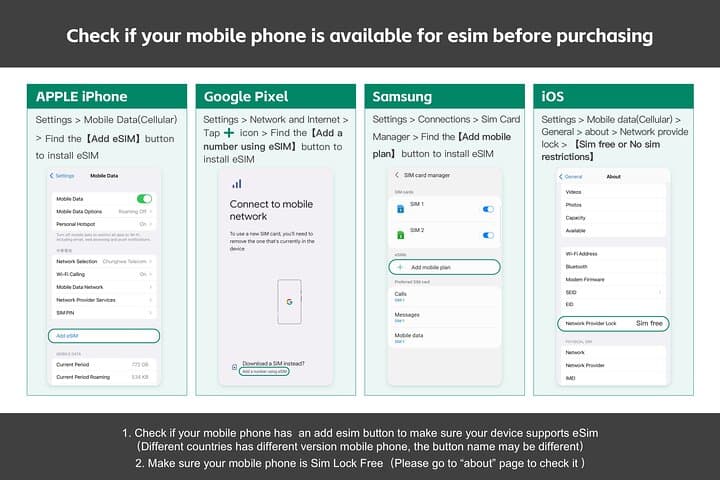
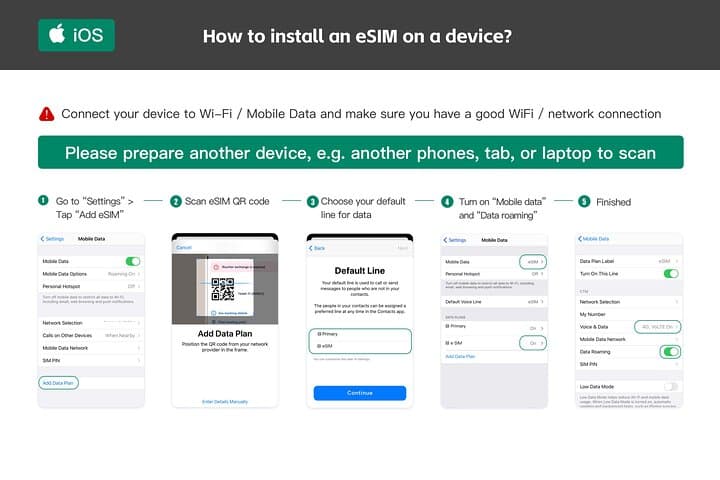
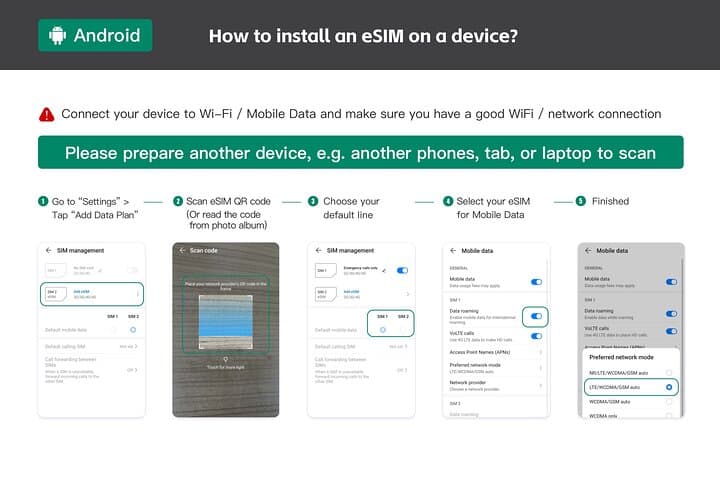
Practical guidance: check device eSIM compatibility before purchase, save the QR code offline, and activate the plan within 30 days. Use the plan as your primary data line for navigation, messaging, and light streaming; enable roaming and set data limits if you want to preserve speed caps. Hotspot sharing is supported, but expect shared speeds to vary.
This is a pragmatic travel tool: it reduces wait times and plastic waste, keeps you connected through cross-border travel, and gives predictable short-term coverage for itineraries that thread city hubs across the region.
easy.
3–30 days.
No physical fitness required—this is a digital travel service for all travelers
This plan supports the United Arab Emirates, Saudi Arabia, Qatar, Kuwait, Egypt and Israel through local partner operators.
The eSIM must be activated within 30 days of purchase; once activated, the data plan length depends on the option chosen—confirm your selected validity at checkout.
Hotspot sharing is supported, but shared devices will split available bandwidth and speeds may drop under heavy use.
Ensure your device is eSIM-compatible and updated; if problems persist, use the vendor’s support channel and have your QR code and device model handy.
Mobile networks in the Gulf and parts of North Africa expanded rapidly in the 2000s, enabling widespread 4G and recent 5G rollouts across major cities and transport corridors.
eSIMs eliminate physical SIM plastic waste and reduce logistics for travelers; still, responsible data use helps lower energy load on cellular networks in sensitive areas.
TraveleSIM operates guided outdoor trips and adventures with an emphasis on safety, stewardship, and memorable experiences.

You lift your phone in a Doha airport concourse, and instead of hunting for a shop or juggling SIM trays, a QR code takes you online—seamless, immediate, and valid across cities, deserts, and Mediterranean coasts.
You lift your phone in a Doha airport concourse, and instead of hunting for a shop or juggling SIM trays, a QR code takes you online—seamless, immediate, and valid across cities, deserts, and Mediterranean coasts.
This digital eSIM plan links travelers to major operators in six countries—DU in the UAE, Zain Saudi, Vodafone Qatar, Ooredoo Kuwait, Etisalat Egypt and Cellcom Israel—delivering 4G and 5G where carriers support it. The tech sits on the shoulders of a rapid telecom buildout across the Gulf and North Africa since the 2000s that turned intermittent coverage corridors into broad networks connecting business districts, resort islands, and key highways.
Culturally it maps to fast-moving urban life: skyscrapers, airport transit, sea promenades, and long highway stretches between cities. Geologically you move from coastal plains and engineered islands to red sands and the Nile delta—coverage often strong in urban and tourist zones, thinner in remote deserts and parts of Sinai.
Practical guidance: check device eSIM compatibility before purchase, save the QR code offline, and activate the plan within 30 days. Use the plan as your primary data line for navigation, messaging, and light streaming; enable roaming and set data limits if you want to preserve speed caps. Hotspot sharing is supported, but expect shared speeds to vary.
This is a pragmatic travel tool: it reduces wait times and plastic waste, keeps you connected through cross-border travel, and gives predictable short-term coverage for itineraries that thread city hubs across the region.