THE ADVENTURE COLLECTIVE® · Independent discovery and booking for outdoor travel

Begin your Maui visit the Hawaiian way: a handcrafted lei and a warm greeting just outside Kahului Airport. This short cultural exchange is a fragrant, photo-ready welcome that introduces visitors to local craft and hospitality.
Begin your Maui visit the Hawaiian way: a handcrafted lei and a warm greeting just outside Kahului Airport. This short cultural exchange is a fragrant, photo-ready welcome that introduces visitors to local craft and hospitality.
The first warm air of Maui meets you as you step from the plane — floral sweetness and the gentle weight of a garland draped over your shoulders. At Kahului Airport a lei greeting is brief but unmistakable: a local host, fresh orchids in hand, a practiced weave of flower and aloha that signals the island has accepted you.
Verified experiences and guided adventures in the surrounding area.
Operated by Hawaii Flower Lei · Kahului, Hawaii
The first warm air of Maui meets you as you step from the plane — floral sweetness and the gentle weight of a garland draped over your shoulders. At Kahului Airport a lei greeting is brief but unmistakable: a local host, fresh orchids in hand, a practiced weave of flower and aloha that signals the island has accepted you.
Leis have deep roots in Hawaiian life. Ancient Hawaiians braided leaves, shells, feathers and flowers into garlands used in ceremony, trade and social ritual; today a lei still functions as both welcome and blessing. Kahului sits on a volcanic plain between the West Maui Mountains and Haleakalā, and the plants used in leis draw from that varied landscape — cultivated orchids, maile, plumeria and ti leaves rather than picked wild specimens.
Culturally, the airport lei is a public, performative welcome: quick, respectful, and made by local artisans who preserve traditional knotting and stringing techniques. For photographers it’s a compact cultural moment; for families it’s a ceremonial first hello.
Practical notes: you must provide flight details and confirm arrival time. Expect a 10–20 minute exchange just outside the secure gate area near baggage claim; the lei itself is included but gratuity for the greeter is customary. Keep your lei on for photos and remove it carefully when entering hotels or airplanes. If you have allergies or prefer a different material, request alternatives when booking. Pack travel docs in an easily reachable pocket, arrive off the jetway with time for immigration and baggage, and savor this short, fragrant introduction to Maui’s living culture.
easy.
15 minutes.
Suitable for all fitness levels; requires only the ability to walk from gate to meeting point.
Look for your representative in the first non-secured area en route to baggage claim holding a sign with your name; instructions are provided after booking.
Yes—book and provide flight information so the local supplier can confirm arrival; bookings are typically per flight.
Many suppliers offer common options (orchid, plumeria, ti); request preferences when booking but availability depends on local harvests.
Gratuity isn’t mandatory but it’s customary to tip the greeter for friendly service; bring small bills.
Leis originate from pre-contact Hawaiʻi when garlands of plant materials signified social ties, offerings and rank; modern lei-making preserves those braided techniques.
Avoid requesting wild-picked flowers; support vendors who use cultivated blooms and local artisans to reduce pressure on native plants.
Hawaii Flower Lei operates guided outdoor trips and adventures with an emphasis on safety, stewardship, and memorable experiences.
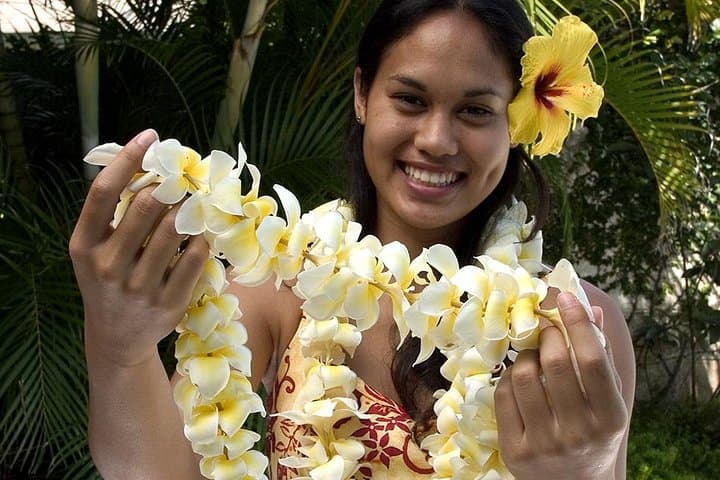
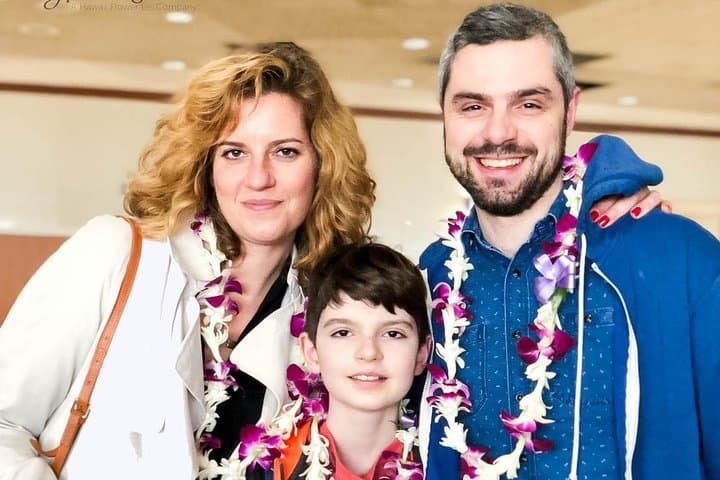
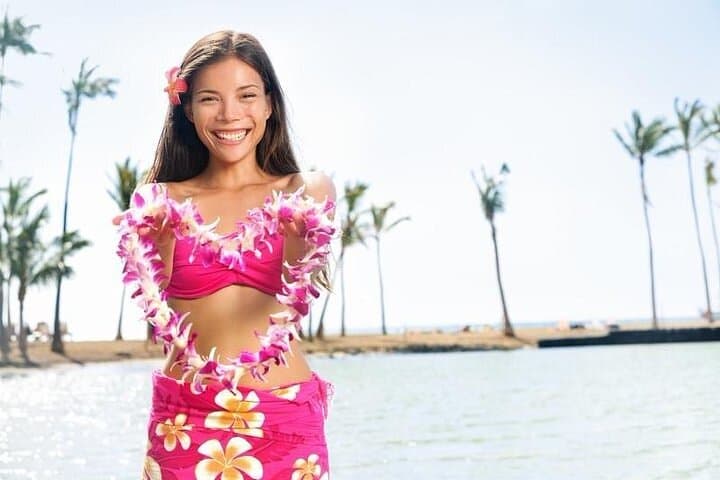

The first warm air of Maui meets you as you step from the plane — floral sweetness and the gentle weight of a garland draped over your shoulders. At Kahului Airport a lei greeting is brief but unmistakable: a local host, fresh orchids in hand, a practiced weave of flower and aloha that signals the island has accepted you.
The first warm air of Maui meets you as you step from the plane — floral sweetness and the gentle weight of a garland draped over your shoulders. At Kahului Airport a lei greeting is brief but unmistakable: a local host, fresh orchids in hand, a practiced weave of flower and aloha that signals the island has accepted you.
Leis have deep roots in Hawaiian life. Ancient Hawaiians braided leaves, shells, feathers and flowers into garlands used in ceremony, trade and social ritual; today a lei still functions as both welcome and blessing. Kahului sits on a volcanic plain between the West Maui Mountains and Haleakalā, and the plants used in leis draw from that varied landscape — cultivated orchids, maile, plumeria and ti leaves rather than picked wild specimens.
Culturally, the airport lei is a public, performative welcome: quick, respectful, and made by local artisans who preserve traditional knotting and stringing techniques. For photographers it’s a compact cultural moment; for families it’s a ceremonial first hello.
Practical notes: you must provide flight details and confirm arrival time. Expect a 10–20 minute exchange just outside the secure gate area near baggage claim; the lei itself is included but gratuity for the greeter is customary. Keep your lei on for photos and remove it carefully when entering hotels or airplanes. If you have allergies or prefer a different material, request alternatives when booking. Pack travel docs in an easily reachable pocket, arrive off the jetway with time for immigration and baggage, and savor this short, fragrant introduction to Maui’s living culture.