THE ADVENTURE COLLECTIVE® · Independent discovery and booking for outdoor travel

Night skiing and a starlit onsen soak combine for a single, streamlined winter evening near Sapporo. Glide illuminated slopes at Fuzz Ski Resort, then unwind in Hoheikyo's mineral baths beneath the dark dome of Hokkaido's sky.
Night skiing and a starlit onsen soak combine for a single, streamlined winter evening near Sapporo. Glide illuminated slopes at Fuzz Ski Resort, then unwind in Hoheikyo's mineral baths beneath the dark dome of Hokkaido's sky.
The first chair becomes a ribbon of light as skiers push off into Sapporo’s cold, clear night. Headlamps aren’t needed here — the runs at Fuzz Ski Resort glow under floodlights while the city below holds a slower pulse. Snow bites at exposed cheeks; the wind along the ridge dares you to go faster.
Verified experiences and guided adventures in the surrounding area.
Operated by Sapporosightseeing Ambasador Special Travel Package · Sapporo, Hokkaido
The first chair becomes a ribbon of light as skiers push off into Sapporo’s cold, clear night. Headlamps aren’t needed here — the runs at Fuzz Ski Resort glow under floodlights while the city below holds a slower pulse. Snow bites at exposed cheeks; the wind along the ridge dares you to go faster.
This brief nocturnal circuit combines two strong local traditions: Hokkaido’s volcanic hot-spring culture and its world-class, powder-friendly slopes. Geologically, the area is shaped by volcanic activity and river-cut valleys; the same heat that feeds the onsen once warmed subterranean rock, while winter storms sweep moisture from the Sea of Japan to lay down deep, dry powder. Culturally, an evening that ends in an outdoor rotenburo (open-air bath) is a long-practiced way to reset after exertion.
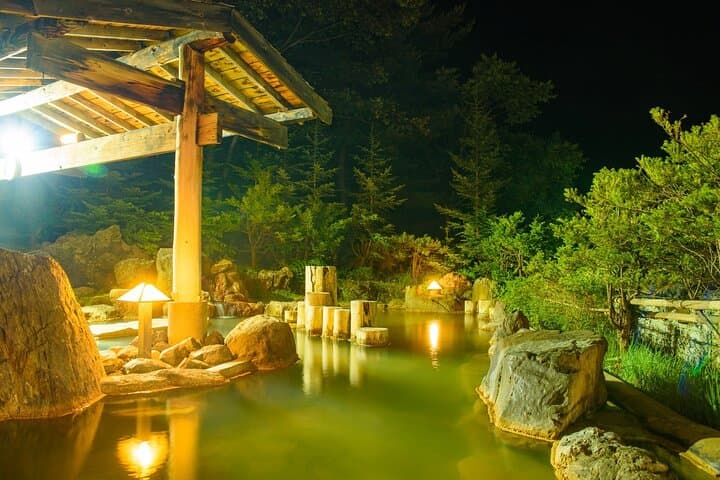
Expect 2–4 hours of skiing with lift access, intermittent breaks for hot drinks, and photographs from the resort summit; then a 60–90 minute onsen session where mineral-rich waters ease fatigued muscles beneath a starry sky. The transition is deliberate: warm, active exertion followed by slow, restorative soaking.
Practical tips: arrive layered and ready to shed shells during runs; bring a small towel and a change of clothes for the onsen. Footwear should be insulated and waterproof for pre/post-ski walks. Time your dinner—heavy meals are best after the onsen. If you want the best light, plan runs shortly after dusk when contrast and shadow shape the slope. This itinerary is ideal for intermediate skiers but accessible to confident beginners with instructor guidance.
moderate.
6–8 hours.
Moderate aerobic fitness; able to handle repeated ski runs and standing in cold temperatures for extended periods.
Yes; the tour lists ski/snowboard 3-set rentals (boots, skis/board, poles) and a lift ticket as included items.
The experience is marketed as suitable for all fitness levels, but beginners should be comfortable on gentle slopes or consider a short lesson before night runs.
Many Japanese onsen restrict visible tattoos; check the specific onsen rules and use coverings if necessary or inquire ahead of time.
Pickup options are often arranged—confirm your pickup point at booking and allow extra time for winter road conditions.
Hot-spring bathing in Hokkaido traces back to Ainu use of geothermal sites; modern onsen grew alongside Sapporo’s development in the early 20th century.
Stick to marked trails and onsen facilities’ rules; hot springs and alpine vegetation are sensitive to runoff, so avoid soaps outside designated washing areas.
Sapporosightseeing Ambasador Special Travel Package operates guided outdoor trips and adventures with an emphasis on safety, stewardship, and memorable experiences.
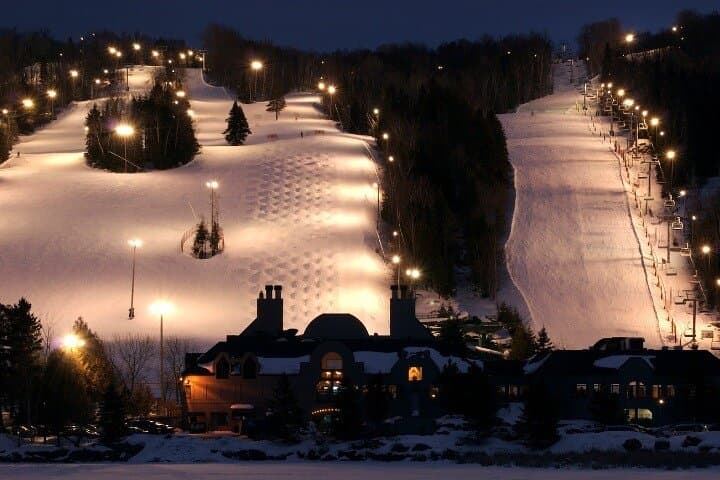
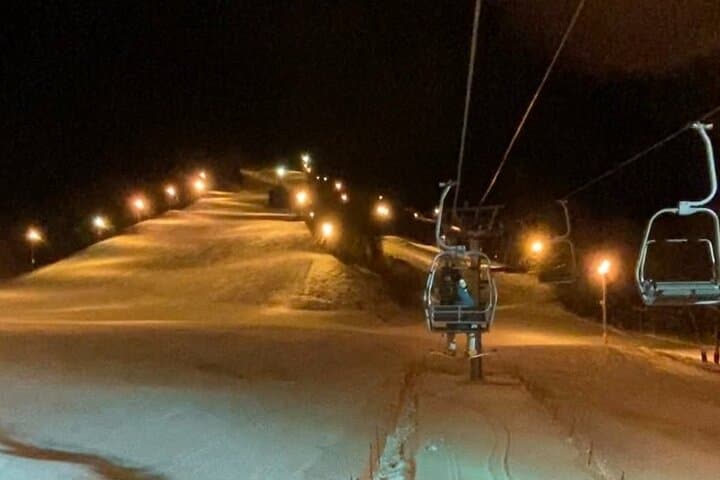
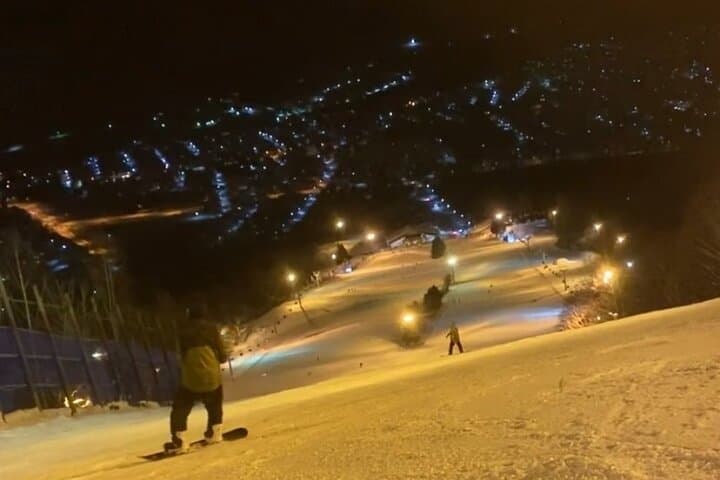
The first chair becomes a ribbon of light as skiers push off into Sapporo’s cold, clear night. Headlamps aren’t needed here — the runs at Fuzz Ski Resort glow under floodlights while the city below holds a slower pulse. Snow bites at exposed cheeks; the wind along the ridge dares you to go faster.
The first chair becomes a ribbon of light as skiers push off into Sapporo’s cold, clear night. Headlamps aren’t needed here — the runs at Fuzz Ski Resort glow under floodlights while the city below holds a slower pulse. Snow bites at exposed cheeks; the wind along the ridge dares you to go faster.
This brief nocturnal circuit combines two strong local traditions: Hokkaido’s volcanic hot-spring culture and its world-class, powder-friendly slopes. Geologically, the area is shaped by volcanic activity and river-cut valleys; the same heat that feeds the onsen once warmed subterranean rock, while winter storms sweep moisture from the Sea of Japan to lay down deep, dry powder. Culturally, an evening that ends in an outdoor rotenburo (open-air bath) is a long-practiced way to reset after exertion.
Expect 2–4 hours of skiing with lift access, intermittent breaks for hot drinks, and photographs from the resort summit; then a 60–90 minute onsen session where mineral-rich waters ease fatigued muscles beneath a starry sky. The transition is deliberate: warm, active exertion followed by slow, restorative soaking.
Practical tips: arrive layered and ready to shed shells during runs; bring a small towel and a change of clothes for the onsen. Footwear should be insulated and waterproof for pre/post-ski walks. Time your dinner—heavy meals are best after the onsen. If you want the best light, plan runs shortly after dusk when contrast and shadow shape the slope. This itinerary is ideal for intermediate skiers but accessible to confident beginners with instructor guidance.