THE ADVENTURE COLLECTIVE® · Independent discovery and booking for outdoor travel

Spend a full day tasting handcrafted wines on the southern slopes of Simonsberg. This private tour pairs Tokara’s panoramic terraces with Stark‑Condé’s small-batch cellar for a focused exploration of Stellenbosch terroir.
Spend a full day tasting handcrafted wines on the southern slopes of Simonsberg. This private tour pairs Tokara’s panoramic terraces with Stark‑Condé’s small-batch cellar for a focused exploration of Stellenbosch terroir.
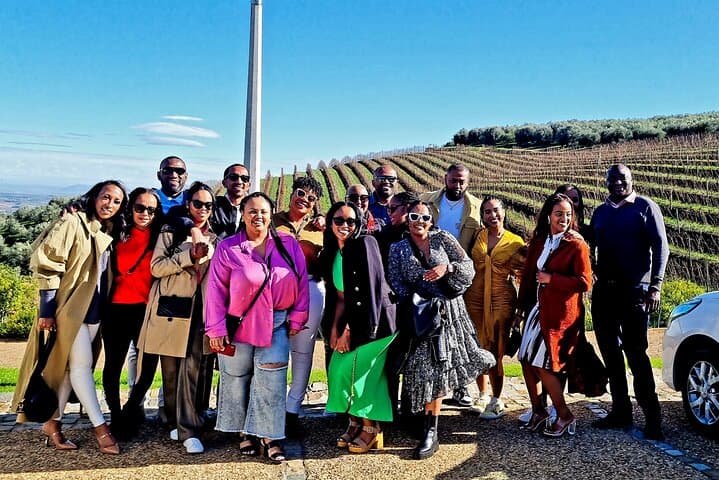
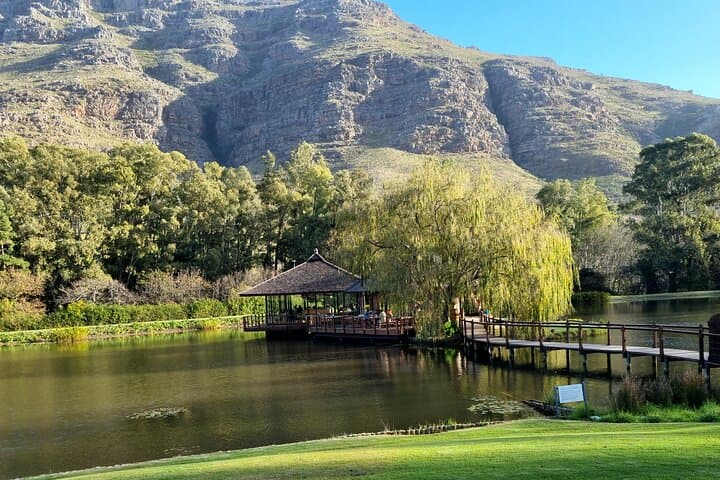
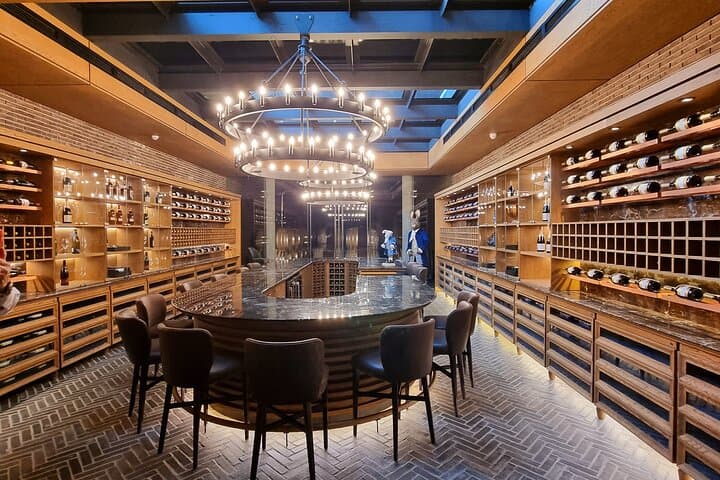
Morning light pins the vineyards in gold as the van climbs the southern slopes of the Simonsberg; vines lean toward the sea as if to catch the breeze that pushes False Bay’s salt inland. Over seven hours you move from Tokara’s olive groves and panoramic tasting terrace to Stark‑Condé’s small-batch cellar room, each stop framed by low mountains and fynbos that smell of earth and resin.
Verified experiences and guided adventures in the surrounding area.
Operated by Africa Afrika Travel · Stellenbosch, Western Cape
Morning light pins the vineyards in gold as the van climbs the southern slopes of the Simonsberg; vines lean toward the sea as if to catch the breeze that pushes False Bay’s salt inland. Over seven hours you move from Tokara’s olive groves and panoramic tasting terrace to Stark‑Condé’s small-batch cellar room, each stop framed by low mountains and fynbos that smell of earth and resin.
The Winelands here stretch back to the 17th century when Dutch settlers planted the first vines on soils of decomposed granite and shale. Simonsberg’s geology—steep ridges and sheltered valleys—creates pockets of cooler, wind-swept sites ideal for Sauvignon Blanc and Bordeaux varieties. Local culture mixes Afrikaans farming traditions with new-wave organic practices; Tokara emphasizes estate-grown grapes while Stark‑Condé keeps production intentionally small and hands-on.
Expect mostly gentle walking—gravel paths, tasting room steps and terraces—interspersed with seated tastings and a cellar tour. Tastings typically include guided pours, short talks on vinification and optional pairings with bread or cheese. Plan for sun and wind: shade is limited on terraces, and afternoons can turn breezy.
Practical notes: the tour runs roughly seven hours with driver pickup, wheelchair-accessible options, and bottled water provided. Bring a charged camera, a light jacket for coastal breeze, and stagger tastings if you drive afterward. Pace yourself; the vineyards invite you to slow down and let the landscape do the talking.
easy.
6–8 hours.
Minimal fitness required; participants should be comfortable standing and walking short distances on gravel and gentle slopes.
The tour is about seven hours and includes private transport, guided tastings at Tokara and Stark‑Condé, bottled water and admission to cellar or tasting rooms as noted.
The itinerary can accommodate non-drinkers; confirm when booking to arrange alternative pairings or non-alcoholic options. It is not designed as a child-focused activity.
Most areas and surfaces are wheelchair accessible and the operator lists wheelchair access—notify them in advance to ensure smooth access and seating arrangements.
Communicate dietary needs when booking; estates can often adjust food pairings or provide alternatives with advance notice.
The Cape Winelands have been cultivated since the 17th century; farms around Simonsberg evolved from colonial estates into modern boutique wineries emphasizing terroir and hand-crafted production.
Several estates here use organic or minimal-intervention practices and limit production to reduce pressure on water and soils; visitors can support sustainability by avoiding single-use plastics and following estate guidelines.
Africa Afrika Travel operates guided outdoor trips and adventures with an emphasis on safety, stewardship, and memorable experiences.
Morning light pins the vineyards in gold as the van climbs the southern slopes of the Simonsberg; vines lean toward the sea as if to catch the breeze that pushes False Bay’s salt inland. Over seven hours you move from Tokara’s olive groves and panoramic tasting terrace to Stark‑Condé’s small-batch cellar room, each stop framed by low mountains and fynbos that smell of earth and resin.
Morning light pins the vineyards in gold as the van climbs the southern slopes of the Simonsberg; vines lean toward the sea as if to catch the breeze that pushes False Bay’s salt inland. Over seven hours you move from Tokara’s olive groves and panoramic tasting terrace to Stark‑Condé’s small-batch cellar room, each stop framed by low mountains and fynbos that smell of earth and resin.
The Winelands here stretch back to the 17th century when Dutch settlers planted the first vines on soils of decomposed granite and shale. Simonsberg’s geology—steep ridges and sheltered valleys—creates pockets of cooler, wind-swept sites ideal for Sauvignon Blanc and Bordeaux varieties. Local culture mixes Afrikaans farming traditions with new-wave organic practices; Tokara emphasizes estate-grown grapes while Stark‑Condé keeps production intentionally small and hands-on.
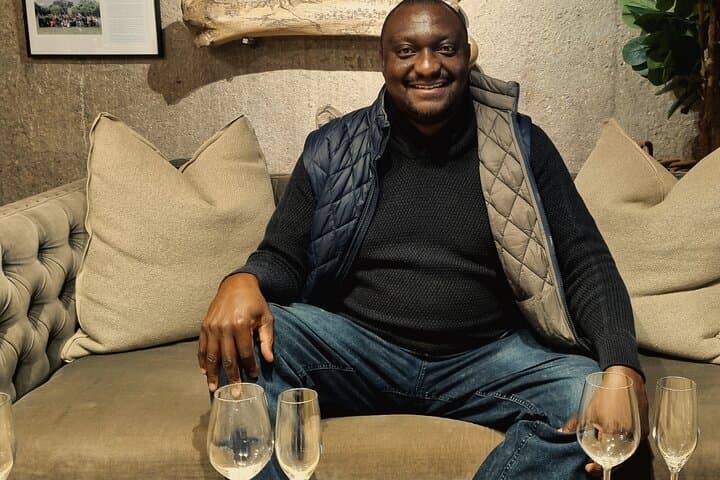
Expect mostly gentle walking—gravel paths, tasting room steps and terraces—interspersed with seated tastings and a cellar tour. Tastings typically include guided pours, short talks on vinification and optional pairings with bread or cheese. Plan for sun and wind: shade is limited on terraces, and afternoons can turn breezy.
Practical notes: the tour runs roughly seven hours with driver pickup, wheelchair-accessible options, and bottled water provided. Bring a charged camera, a light jacket for coastal breeze, and stagger tastings if you drive afterward. Pace yourself; the vineyards invite you to slow down and let the landscape do the talking.