THE ADVENTURE COLLECTIVE® · Independent discovery and booking for outdoor travel

Experience the Atacama above and beyond the horizon: a guided, three‑hour night tour that pairs a cosmology talk with telescope viewing under some of the clearest skies on Earth. Dress warm, bring a red‑light headlamp, and prepare for memorable views of the southern Milky Way.
Experience the Atacama above and beyond the horizon: a guided, three‑hour night tour that pairs a cosmology talk with telescope viewing under some of the clearest skies on Earth. Dress warm, bring a red‑light headlamp, and prepare for memorable views of the southern Milky Way.
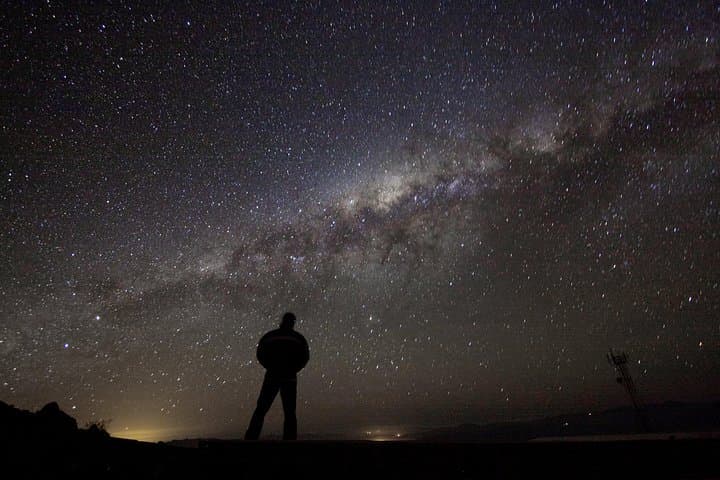
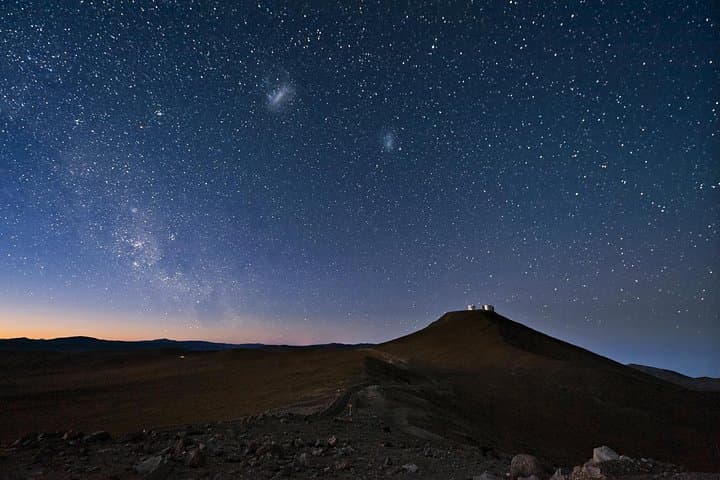
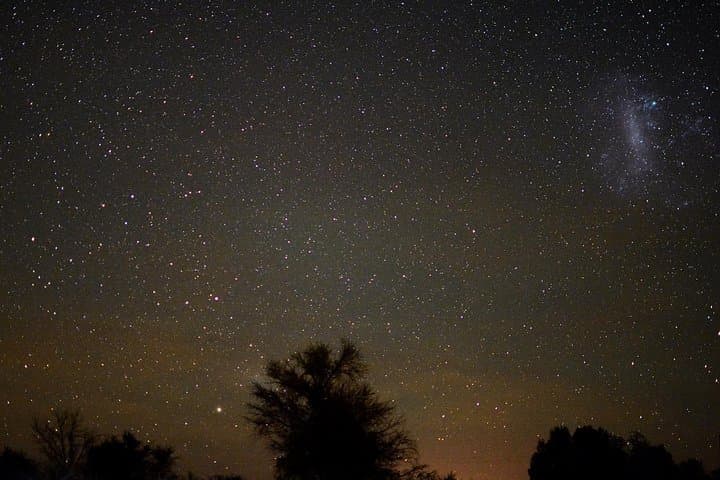
Night arrives fast in the high Atacama; the white silhouettes of volcanoes fall away and the sky opens like a cold, clear vault. Standing a short drive from San Pedro de Atacama, you’ll feel the desert air tighten and the stars sharpen—Milky Way bands spilling across a southern-hemisphere sky that seems to reach down and touch the salt flats.
Verified experiences and guided adventures in the surrounding area.
Operated by Gray Line Chile · San Pedro de Atacama, Antofagasta
Night arrives fast in the high Atacama; the white silhouettes of volcanoes fall away and the sky opens like a cold, clear vault. Standing a short drive from San Pedro de Atacama, you’ll feel the desert air tighten and the stars sharpen—Milky Way bands spilling across a southern-hemisphere sky that seems to reach down and touch the salt flats.
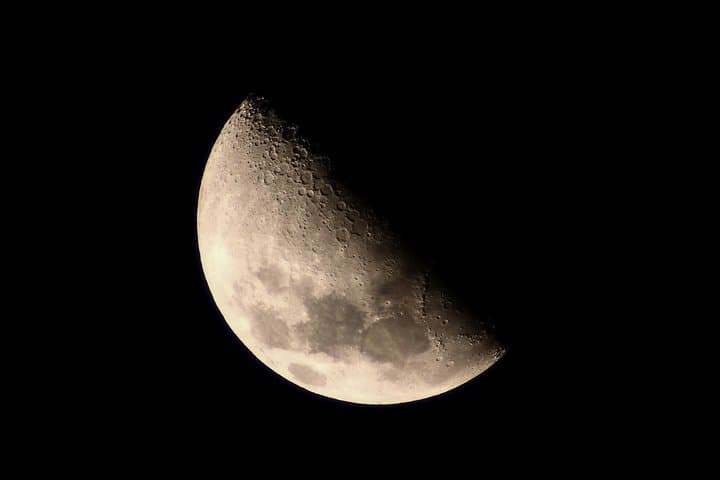
This tour frames that view with story and science. Guides begin with a cosmological talk that traces the arc from the Big Bang to human sky‑viewing traditions, then move outside for naked‑eye orientation before training telescopes on planets, star clusters, and distant nebulas. The Atacama’s elevation, extreme aridity and low light pollution make it one of the world’s premier sites for amateur astronomy; local Likan Antai communities have long used celestial cycles for ritual and seasonal cues.
Geology and culture are part of the backdrop: volcanic peaks, salt pans and high‑desert plateaus create an unforgiving landscape by day and a reverent one by night. Practical notes: tours run around three hours, include telescopes and a hot drink, and typically return guests to town with small groups and hotel pickup. Dress in layers—temperatures can drop sharply—bring a red‑light headlamp and a camera with a tripod if you want long exposures.
Expect calm pacing, accessible explanations, and enough time at each instrument to study details. If clouds roll in the operator often cancels for safety and visibility; check pickup times and reconfirm the night before. For travelers who want the sky rather than a strenuous hike, this is a focused, low‑effort way to touch the cosmos from one of Earth’s clearest windows.
easy.
3 hours.
Suitable for nearly all fitness levels; minimal walking on flat ground and short stargazing stops while standing or seated.
Yes — guides bring telescopes and point out major objects; participants typically rotate through eyepieces for close views.
Operators often cancel or reschedule if poor conditions prevent meaningful observation; check the cancellation policy and reconfirm the night before.
The tour is physically easy for children, but infants are generally required to sit on an adult’s lap and should be dressed warmly.
Most tours include hotel pickup within the town’s urban zone; if you stay outside town, notify the operator to arrange a meeting point.
The Atacameño (Likan Antai) people have observed and used celestial cycles for agriculture and ritual for centuries; local sky lore still informs festivals and timing.
Light‑pollution controls around San Pedro help preserve dark skies; visitors are encouraged to minimize shine and pack out waste to protect the fragile desert ecosystem.
Gray Line Chile operates guided outdoor trips and adventures with an emphasis on safety, stewardship, and memorable experiences.
Night arrives fast in the high Atacama; the white silhouettes of volcanoes fall away and the sky opens like a cold, clear vault. Standing a short drive from San Pedro de Atacama, you’ll feel the desert air tighten and the stars sharpen—Milky Way bands spilling across a southern-hemisphere sky that seems to reach down and touch the salt flats.
Night arrives fast in the high Atacama; the white silhouettes of volcanoes fall away and the sky opens like a cold, clear vault. Standing a short drive from San Pedro de Atacama, you’ll feel the desert air tighten and the stars sharpen—Milky Way bands spilling across a southern-hemisphere sky that seems to reach down and touch the salt flats.
This tour frames that view with story and science. Guides begin with a cosmological talk that traces the arc from the Big Bang to human sky‑viewing traditions, then move outside for naked‑eye orientation before training telescopes on planets, star clusters, and distant nebulas. The Atacama’s elevation, extreme aridity and low light pollution make it one of the world’s premier sites for amateur astronomy; local Likan Antai communities have long used celestial cycles for ritual and seasonal cues.
Geology and culture are part of the backdrop: volcanic peaks, salt pans and high‑desert plateaus create an unforgiving landscape by day and a reverent one by night. Practical notes: tours run around three hours, include telescopes and a hot drink, and typically return guests to town with small groups and hotel pickup. Dress in layers—temperatures can drop sharply—bring a red‑light headlamp and a camera with a tripod if you want long exposures.
Expect calm pacing, accessible explanations, and enough time at each instrument to study details. If clouds roll in the operator often cancels for safety and visibility; check pickup times and reconfirm the night before. For travelers who want the sky rather than a strenuous hike, this is a focused, low‑effort way to touch the cosmos from one of Earth’s clearest windows.