THE ADVENTURE COLLECTIVE® · Independent discovery and booking for outdoor travel

Spend an hour under West Maui’s dark sky: telescope views, Hawaiian star lore, and guided identification of planets, clusters and nebulae. Practical tips on clothing, lights and timing help you make the most of Kapalua’s night-sky viewing.
Spend an hour under West Maui’s dark sky: telescope views, Hawaiian star lore, and guided identification of planets, clusters and nebulae. Practical tips on clothing, lights and timing help you make the most of Kapalua’s night-sky viewing.
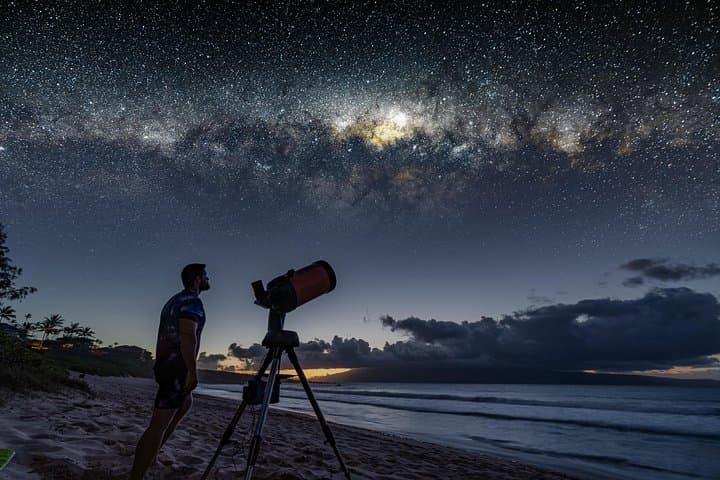
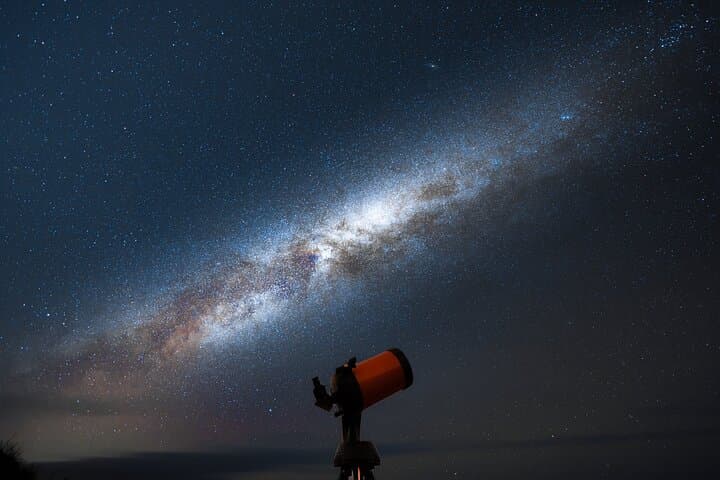
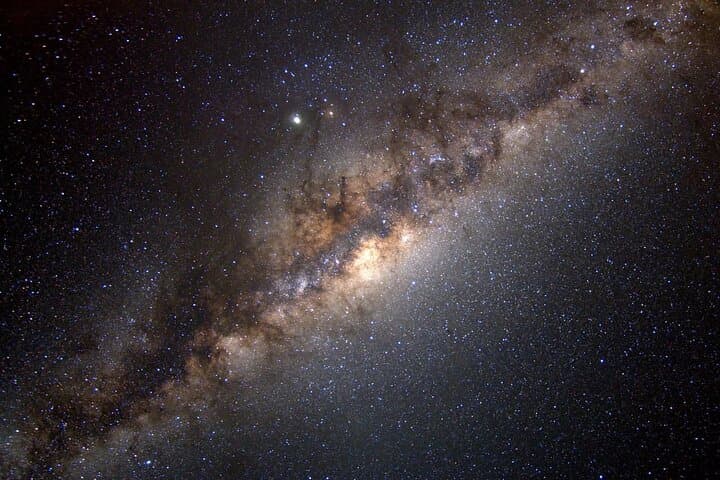
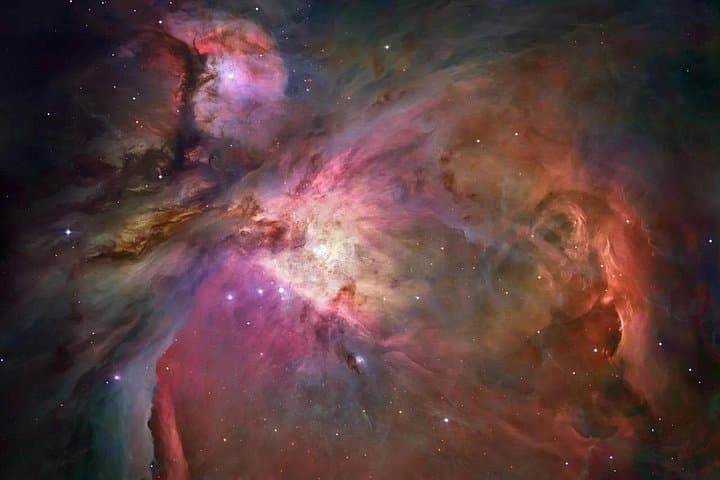
The night settles over West Maui and Kapalua’s coastline goes dark—only the sea and sky speak. On this hour-long guided stargazing tour, guests sit on a large sandmat while a guide points out constellations with a laser pointer before switching to a Schmidt-Cassegrain telescope for close-up looks at nebulae, star clusters and the brighter planets. The air smells faintly of salt; the ocean dares you to look inland as the Milky Way spills above.
Verified experiences and guided adventures in the surrounding area.
Operated by Stargaze West Maui · Kapalua, Hawaii
The night settles over West Maui and Kapalua’s coastline goes dark—only the sea and sky speak. On this hour-long guided stargazing tour, guests sit on a large sandmat while a guide points out constellations with a laser pointer before switching to a Schmidt-Cassegrain telescope for close-up looks at nebulae, star clusters and the brighter planets. The air smells faintly of salt; the ocean dares you to look inland as the Milky Way spills above.
Historically, Hawaiians read the sky as carefully as a map. Polynesian navigators used stars like Makali‘i (Pleiades) and Hōkūleʻa (a star used in voyaging) to cross the Pacific; the guide weaves those names and stories into the science of modern astronomy. Geologically, Maui’s volcanic backbone frames the horizon—Haleakalā’s slope to the east can affect local seeing conditions and wind patterns.
Practical guidance: arrive early to settle eyes and claim a good viewing spot; dress in layers—coastal nights in Kapalua can drop into the 60s°F. Bring a headlamp with a red filter or use phone red-light mode to preserve night vision. The tour includes telescope views and cultural context; it requires short, unlit steps and standing for parts of the session, so moderate mobility helps. Tours run year-round, but weather and cloud cover determine visibility; operators cancel for poor conditions and offer refunds with at least 24 hours’ notice. For photographers, plan for long exposures and bring a tripod if allowed. The experience balances clear, scientific explanation with Hawaiian star lore, delivering an accessible, low-impact night under one of West Maui’s best skies.
easy.
1 hour.
Should be able to walk short uneven stairs and stand for up to an hour; moderate fitness recommended for uneven terrain
Meeting is typically at the designated Kapalua beach or resort lawn noted on your booking confirmation; arrive 15–20 minutes early for check-in.
Yes—guides identify naked-eye planets when visible and use the telescope to show nebulae, star clusters and brighter galaxies depending on conditions.
Families often attend, but the tour involves low light and short uneven steps; those with mobility limits may find access difficult—check with the operator beforehand.
The operator will cancel for poor visibility; the booking includes a refund if canceled at least 24 hours in advance or per the stated weather policy.
Hawaiian navigators used specific stars and star clusters for ocean voyaging; local guides often incorporate these traditional names and stories alongside modern astronomy.
Tours emphasize minimizing light pollution—use red lights and keep group size moderate. Visitors are asked to pack out trash and avoid flash photography that can disturb wildlife and other guests.
Stargaze West Maui operates guided outdoor trips and adventures with an emphasis on safety, stewardship, and memorable experiences.
The night settles over West Maui and Kapalua’s coastline goes dark—only the sea and sky speak. On this hour-long guided stargazing tour, guests sit on a large sandmat while a guide points out constellations with a laser pointer before switching to a Schmidt-Cassegrain telescope for close-up looks at nebulae, star clusters and the brighter planets. The air smells faintly of salt; the ocean dares you to look inland as the Milky Way spills above.
The night settles over West Maui and Kapalua’s coastline goes dark—only the sea and sky speak. On this hour-long guided stargazing tour, guests sit on a large sandmat while a guide points out constellations with a laser pointer before switching to a Schmidt-Cassegrain telescope for close-up looks at nebulae, star clusters and the brighter planets. The air smells faintly of salt; the ocean dares you to look inland as the Milky Way spills above.
Historically, Hawaiians read the sky as carefully as a map. Polynesian navigators used stars like Makali‘i (Pleiades) and Hōkūleʻa (a star used in voyaging) to cross the Pacific; the guide weaves those names and stories into the science of modern astronomy. Geologically, Maui’s volcanic backbone frames the horizon—Haleakalā’s slope to the east can affect local seeing conditions and wind patterns.
Practical guidance: arrive early to settle eyes and claim a good viewing spot; dress in layers—coastal nights in Kapalua can drop into the 60s°F. Bring a headlamp with a red filter or use phone red-light mode to preserve night vision. The tour includes telescope views and cultural context; it requires short, unlit steps and standing for parts of the session, so moderate mobility helps. Tours run year-round, but weather and cloud cover determine visibility; operators cancel for poor conditions and offer refunds with at least 24 hours’ notice. For photographers, plan for long exposures and bring a tripod if allowed. The experience balances clear, scientific explanation with Hawaiian star lore, delivering an accessible, low-impact night under one of West Maui’s best skies.