THE ADVENTURE COLLECTIVE® · Independent discovery and booking for outdoor travel

A one-hour, science-forward PDF that turns any dark-sky evening into an illuminating lesson on stars, galaxies, and practical night-sky observing. Download and read at a national park, in a camp chair, and learn how to see—and understand—what you’re looking at.
A one-hour, science-forward PDF that turns any dark-sky evening into an illuminating lesson on stars, galaxies, and practical night-sky observing. Download and read at a national park, in a camp chair, and learn how to see—and understand—what you’re looking at.
You set your camp chair on the ledgered sand above a desert plain, the last ribbon of sunset pulling back behind a serrated horizon. The first stars appear like someone turning on distant lamps; the guide lives on your tablet, a compact tutor for the hour you’ve set aside. Read aloud, or skim diagrams — the PDF moves at your pace, translating the physics of stellar birth into plain language while pointing you to the constellations that will parade overhead.
Verified experiences and guided adventures in the surrounding area.
Operated by Moab In A Day LLC · Moab, Utah
You set your camp chair on the ledgered sand above a desert plain, the last ribbon of sunset pulling back behind a serrated horizon. The first stars appear like someone turning on distant lamps; the guide lives on your tablet, a compact tutor for the hour you’ve set aside. Read aloud, or skim diagrams — the PDF moves at your pace, translating the physics of stellar birth into plain language while pointing you to the constellations that will parade overhead.
This guide is written for places where the sky still speaks clearly: national parks and state preserves where light pollution thins and the Milky Way reveals its dusty spine. In the American Southwest, where many will test the file (Arches and nearby Dead Horse Point among them), the night sky has been a calendar and a map for millennia. Puebloan and Ute ancestors read stellar cycles to time harvests and migrations; modern visitors read them for wonder. The geology below—rock fins and mesas formed by late-Mesozoic uplift and persistent erosion—gives horizons low edges, perfect for an unbroken view across constellations.
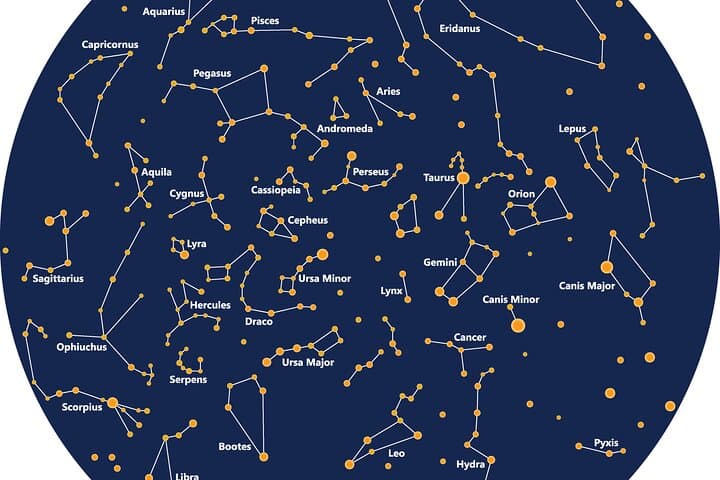
The PDF is not a star chart (though it includes a handy chart). It’s a one-hour primer: how stars and galaxies form, why color and brightness matter, what a spectrum reveals about composition, and how distances are measured. Expect clear diagrams, concise explanations of nebulae and black holes, and a short primer on how to use binoculars or a small telescope at camp.
Practical guidance is central. Download the file in advance and confirm delivery within eight hours of purchase; pick today’s date when buying. Bring a charged tablet, a power bank, and a red-light headlamp to preserve night vision. Check moon phase: a bright moon will wash out the Milky Way; plan for moonless nights within a week of new moon for the richest view. At elevations around 4,000–5,000 feet—common in Moab and Arches—the air can be crisp and clear but cold after dark; layer up.
Use the guide as a companion: start with the broad concepts, then step outside and locate the Milky Way’s core during spring–fall months. Pair the reading with a local dark-sky spot—Dead Horse Point State Park (an International Dark Sky Park) or a BLM pullout outside town—to get the best horizon. Respect quiet hours, keep lights low, and leave no trace; light pollution is the single most damaging factor to night-sky access. This PDF turns a simple evening under stars into an hour of context—science with a chair and a skyline—so your next night under the heavens is not only beautiful, but understood.
easy.
1 hour.
Suitable for all fitness levels; mainly a seated/standing educational activity
The guide is designed for about 1 hour of reading and practical observation; you can also use sections individually for repeat visits.
You will receive the file within eight hours of the selected date; choose today's date at checkout to expedite delivery.
No—the guide is science-focused and explanatory, though it includes a basic star chart for quick reference.
Yes—the PDF is portable and recommended for dark-sky locations such as national parks, state parks, and BLM land.
No—the guide is written for beginners comfortable with plain-language science and practical observing tips.
Yes—the guide is a downloadable PDF and is wheelchair accessible; it can be used from any accessible viewpoint.
Indigenous groups in the Colorado Plateau region used stellar cycles for seasonal timing; local rock art and oral histories often reference celestial events.
Light pollution is the chief threat to night-sky access—use red lights, minimize white illumination, and support dark-sky designations for parks and preserves.
Moab In A Day LLC operates guided outdoor trips and adventures with an emphasis on safety, stewardship, and memorable experiences.
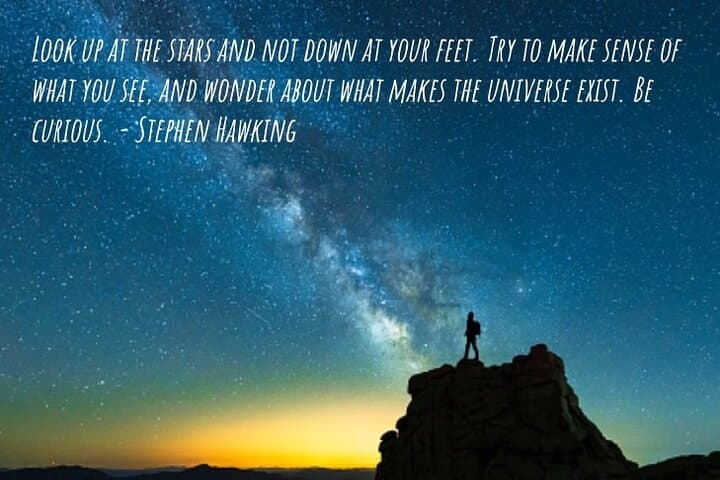
You set your camp chair on the ledgered sand above a desert plain, the last ribbon of sunset pulling back behind a serrated horizon. The first stars appear like someone turning on distant lamps; the guide lives on your tablet, a compact tutor for the hour you’ve set aside. Read aloud, or skim diagrams — the PDF moves at your pace, translating the physics of stellar birth into plain language while pointing you to the constellations that will parade overhead.
You set your camp chair on the ledgered sand above a desert plain, the last ribbon of sunset pulling back behind a serrated horizon. The first stars appear like someone turning on distant lamps; the guide lives on your tablet, a compact tutor for the hour you’ve set aside. Read aloud, or skim diagrams — the PDF moves at your pace, translating the physics of stellar birth into plain language while pointing you to the constellations that will parade overhead.
This guide is written for places where the sky still speaks clearly: national parks and state preserves where light pollution thins and the Milky Way reveals its dusty spine. In the American Southwest, where many will test the file (Arches and nearby Dead Horse Point among them), the night sky has been a calendar and a map for millennia. Puebloan and Ute ancestors read stellar cycles to time harvests and migrations; modern visitors read them for wonder. The geology below—rock fins and mesas formed by late-Mesozoic uplift and persistent erosion—gives horizons low edges, perfect for an unbroken view across constellations.
The PDF is not a star chart (though it includes a handy chart). It’s a one-hour primer: how stars and galaxies form, why color and brightness matter, what a spectrum reveals about composition, and how distances are measured. Expect clear diagrams, concise explanations of nebulae and black holes, and a short primer on how to use binoculars or a small telescope at camp.
Practical guidance is central. Download the file in advance and confirm delivery within eight hours of purchase; pick today’s date when buying. Bring a charged tablet, a power bank, and a red-light headlamp to preserve night vision. Check moon phase: a bright moon will wash out the Milky Way; plan for moonless nights within a week of new moon for the richest view. At elevations around 4,000–5,000 feet—common in Moab and Arches—the air can be crisp and clear but cold after dark; layer up.
Use the guide as a companion: start with the broad concepts, then step outside and locate the Milky Way’s core during spring–fall months. Pair the reading with a local dark-sky spot—Dead Horse Point State Park (an International Dark Sky Park) or a BLM pullout outside town—to get the best horizon. Respect quiet hours, keep lights low, and leave no trace; light pollution is the single most damaging factor to night-sky access. This PDF turns a simple evening under stars into an hour of context—science with a chair and a skyline—so your next night under the heavens is not only beautiful, but understood.