THE ADVENTURE COLLECTIVE® · Independent discovery and booking for outdoor travel

Leave island lights behind and watch both northern and southern constellations from the dune rim of Viana Desert. This small-group Astronight pairs telescopes, local guides and Cape Verde snacks for an easy, four-hour night under an expansive equatorial sky.
Leave island lights behind and watch both northern and southern constellations from the dune rim of Viana Desert. This small-group Astronight pairs telescopes, local guides and Cape Verde snacks for an easy, four-hour night under an expansive equatorial sky.
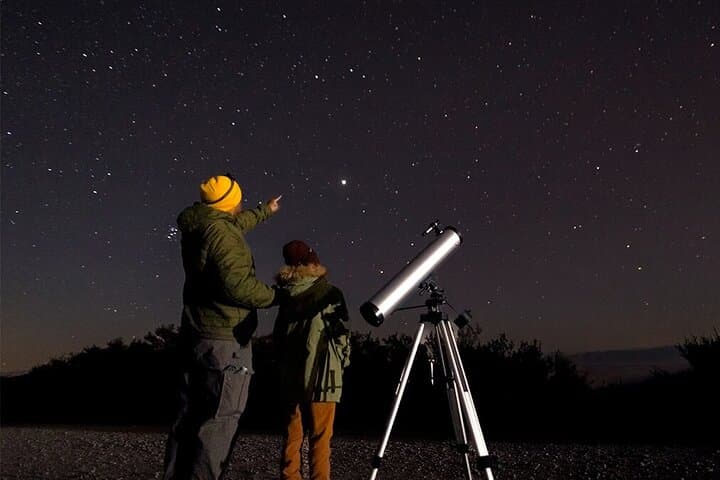
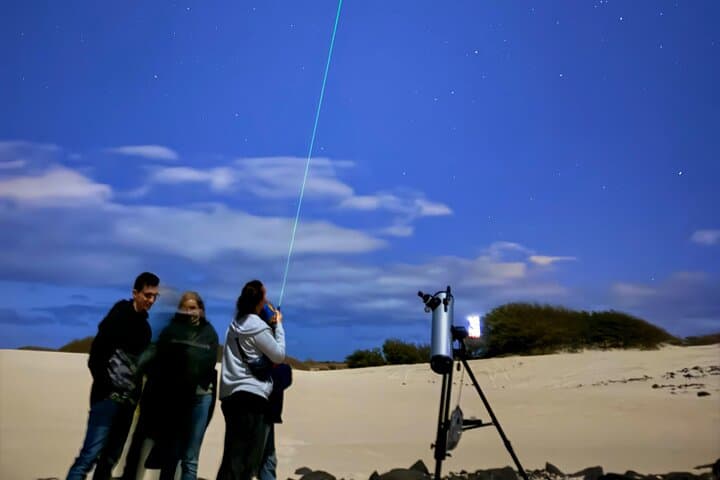
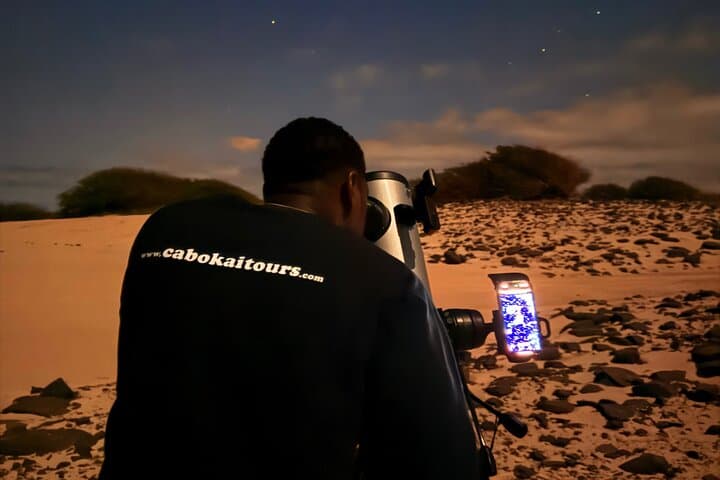
Sunset slides behind low dunes and the desert exhales: cooling sand, a scatter of coffee mugs, and the first thin stars pricking the sky. On Boa Vista’s Viana Desert a small-group “Astronight” drops you away from island lights into a raw southern-hemisphere sky. The guides set up blankets and telescopes on a level rise; the pickup truck’s tailgate becomes a seat to watch the Milky Way swivel overhead.
Verified experiences and guided adventures in the surrounding area.
Operated by Cabokaitours · Sal Rei, Boa Vista
Sunset slides behind low dunes and the desert exhales: cooling sand, a scatter of coffee mugs, and the first thin stars pricking the sky. On Boa Vista’s Viana Desert a small-group “Astronight” drops you away from island lights into a raw southern-hemisphere sky. The guides set up blankets and telescopes on a level rise; the pickup truck’s tailgate becomes a seat to watch the Milky Way swivel overhead.
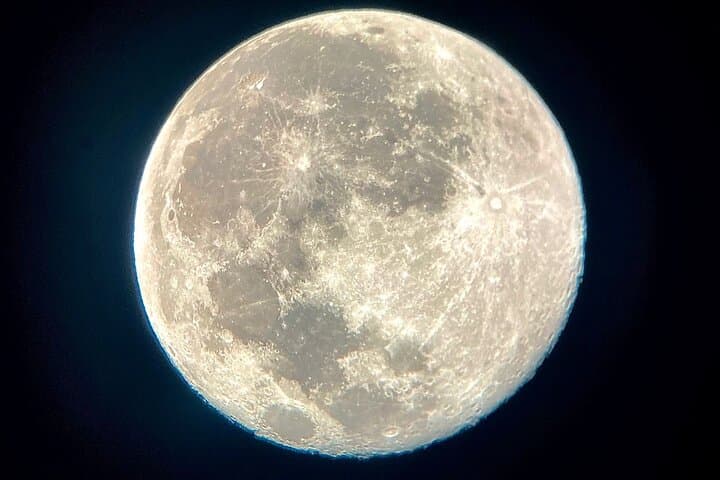
Geologically the Viana is a wind-tossed field of coastal sand formed by longshore drift and persistent trade winds. Cultural rhythms of Boa Vista—fishermen’s morning returns and Creole snacking—give way here to a quieter night ritual: once-dark skies that show both northern and southern constellations because the island sits close to the equator. Guides combine star lore and practical astronomy, pointing out planets, binary stars and occasional meteors while an astrologer explains mythic meanings.
Expect a relaxed, four-hour outing with an easy walk across dunes, telescope viewing, snacks, and a guided sky tour. Bring layers: desert nights turn cold quickly. Arrive with a charged camera and a low-light plan, but follow the guide’s instructions to avoid light pollution. Physically it’s light—moderate fitness helps for climbing dune slopes—but mentally rich: questions are encouraged and the pace is contemplative.
Plan for clear nights and flexible timing; tours cancel if weather is poor. This is a straightforward, sensory-rich island night that pairs simple logistics with the extraordinary: the sky daring you to look up and stay awhile.
easy.
4 hours.
Suitable for most people with moderate mobility; dune walking involves short, unsteady slopes.
The experience runs about four hours total, including sunset, a guided sky session and telescope time.
Yes; however children should be supervised on dunes and may need extra layers—check age rules with the operator.
No, telescopes are provided; binoculars can be helpful but are not required.
Tours cancel in poor conditions; the operator will refund or offer an alternative date if the night is not suitable for stargazing.
Boa Vista’s dunes formed over centuries from sands carried along currents and winds; the island’s Portuguese and West African influences shape local food and evening customs.
Keep to established paths and avoid trampling vegetation; minimal light use and packing out waste preserves the dark-sky quality and fragile dune ecology.
Cabokaitours operates guided outdoor trips and adventures with an emphasis on safety, stewardship, and memorable experiences.
Sunset slides behind low dunes and the desert exhales: cooling sand, a scatter of coffee mugs, and the first thin stars pricking the sky. On Boa Vista’s Viana Desert a small-group “Astronight” drops you away from island lights into a raw southern-hemisphere sky. The guides set up blankets and telescopes on a level rise; the pickup truck’s tailgate becomes a seat to watch the Milky Way swivel overhead.
Sunset slides behind low dunes and the desert exhales: cooling sand, a scatter of coffee mugs, and the first thin stars pricking the sky. On Boa Vista’s Viana Desert a small-group “Astronight” drops you away from island lights into a raw southern-hemisphere sky. The guides set up blankets and telescopes on a level rise; the pickup truck’s tailgate becomes a seat to watch the Milky Way swivel overhead.
Geologically the Viana is a wind-tossed field of coastal sand formed by longshore drift and persistent trade winds. Cultural rhythms of Boa Vista—fishermen’s morning returns and Creole snacking—give way here to a quieter night ritual: once-dark skies that show both northern and southern constellations because the island sits close to the equator. Guides combine star lore and practical astronomy, pointing out planets, binary stars and occasional meteors while an astrologer explains mythic meanings.
Expect a relaxed, four-hour outing with an easy walk across dunes, telescope viewing, snacks, and a guided sky tour. Bring layers: desert nights turn cold quickly. Arrive with a charged camera and a low-light plan, but follow the guide’s instructions to avoid light pollution. Physically it’s light—moderate fitness helps for climbing dune slopes—but mentally rich: questions are encouraged and the pace is contemplative.
Plan for clear nights and flexible timing; tours cancel if weather is poor. This is a straightforward, sensory-rich island night that pairs simple logistics with the extraordinary: the sky daring you to look up and stay awhile.