THE ADVENTURE COLLECTIVE® · Independent discovery and booking for outdoor travel

Experience the southern sky from Rio Lagartos’ salt flats and mangrove edge on a private stargazing tour. An environmental interpreter brings a telescope and local stories while you watch planets, clusters and the moon rise above a dark coastal horizon.
Experience the southern sky from Rio Lagartos’ salt flats and mangrove edge on a private stargazing tour. An environmental interpreter brings a telescope and local stories while you watch planets, clusters and the moon rise above a dark coastal horizon.
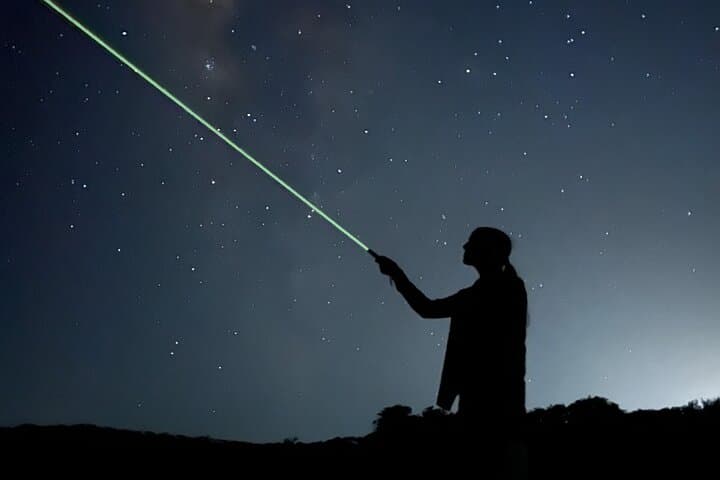
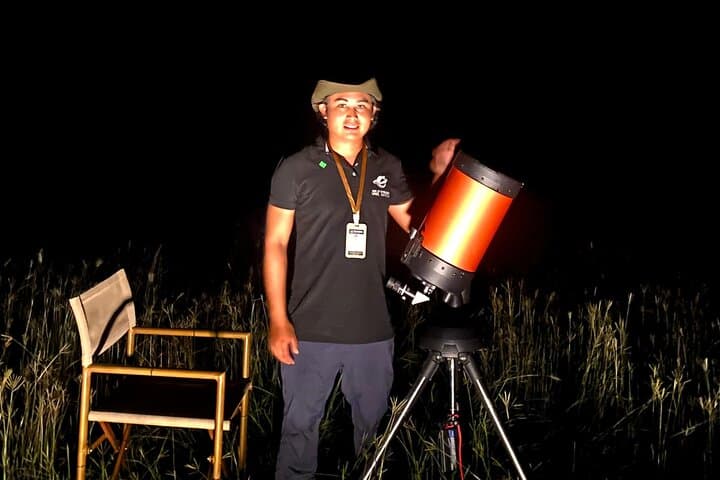
The night arrives over the shallow lagoon and the sea hushes into a long, low whisper as you step onto the salt-creased shore. A guide sets up a telescope beneath a wide, open sky; stars peel away from the black like silver fish, and constellations begin to tug at the imagination.
Verified experiences and guided adventures in the surrounding area.
Operated by Guía de Naturaleza Uriel Massa · Rio Lagartos, Yucatán
The night arrives over the shallow lagoon and the sea hushes into a long, low whisper as you step onto the salt-creased shore. A guide sets up a telescope beneath a wide, open sky; stars peel away from the black like silver fish, and constellations begin to tug at the imagination.
Rio Lagartos is part of a protected biosphere where pink salt flats, mangrove channels and coastal flats meet the Gulf. The Yucatán’s limestone plain, punched through by cenotes inland, gives this coastline a low, open horizon that makes for excellent stargazing. The town’s fishing and salt-harvesting traditions shape local rhythms—expect practical, maritime stories from your interpreter alongside astronomical lore tied to Mayan and European sky charts.
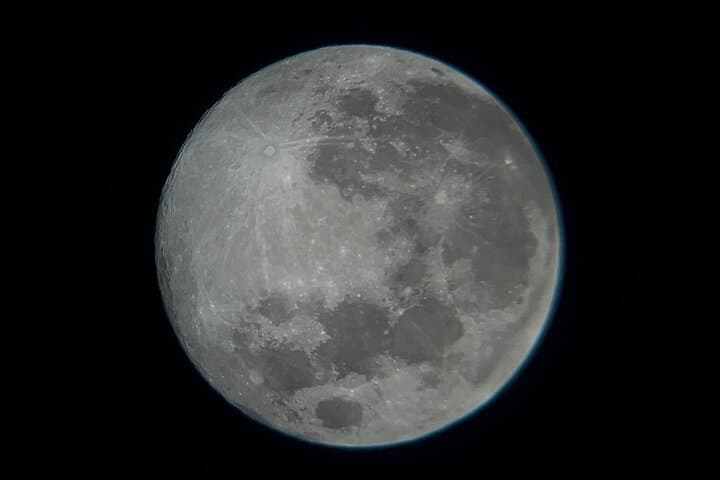
On this private tour an environmental interpreter provides a telescope and curated commentary: moon phases, planets, star clusters and context about zodiac signs; the vantage point may move with weather and light conditions to get the clearest view. The experience balances storytelling with the mechanics of observation—how to find targets, when the moon washes out fainter objects, and why mangrove-lined shores help preserve darker skies.
Plan for warm evenings that turn cool after midnight, bring a red-light headlamp and insect repellent, and arrive rested so your eyes adapt. Private transport and seating are included, and the outing is suitable for all fitness levels. Avoid bright screens, ask your guide about camera options for long exposures, and check weather and hurricane-season advisories between June and November. With a short, focused outing of roughly 90–100 minutes, this is an accessible way to read the southern sky from one of the Yucatán’s quiet coastal edges.
easy.
1–2 hours.
Suitable for all fitness levels; mostly standing and light walking on flat beach or salt flats.
Yes — the tour includes use of a telescope and guided pointing at the moon, planets and star clusters.
The outing lasts approximately 100 minutes and private transportation is listed among the inclusions.
Yes; the tour is family-friendly. Infants may need to sit on an adult’s lap and the activity is described as physically easy.
Observation points may change based on weather; cancellation policy allows a full refund if you cancel at least 24 hours in advance, but check with the operator about rescheduling in poor conditions.
Rio Lagartos grew as a fishing and salt-harvesting village on Yucatán’s northern coast; its human patterns and saltworks shape local light and access to shoreline observation points.
The area sits within a biosphere reserve—visitors are asked to minimize light pollution, stay on designated paths and respect nesting and feeding sites to protect birds and mangrove habitats.
Guía de Naturaleza Uriel Massa operates guided outdoor trips and adventures with an emphasis on safety, stewardship, and memorable experiences.

The night arrives over the shallow lagoon and the sea hushes into a long, low whisper as you step onto the salt-creased shore. A guide sets up a telescope beneath a wide, open sky; stars peel away from the black like silver fish, and constellations begin to tug at the imagination.
The night arrives over the shallow lagoon and the sea hushes into a long, low whisper as you step onto the salt-creased shore. A guide sets up a telescope beneath a wide, open sky; stars peel away from the black like silver fish, and constellations begin to tug at the imagination.
Rio Lagartos is part of a protected biosphere where pink salt flats, mangrove channels and coastal flats meet the Gulf. The Yucatán’s limestone plain, punched through by cenotes inland, gives this coastline a low, open horizon that makes for excellent stargazing. The town’s fishing and salt-harvesting traditions shape local rhythms—expect practical, maritime stories from your interpreter alongside astronomical lore tied to Mayan and European sky charts.
On this private tour an environmental interpreter provides a telescope and curated commentary: moon phases, planets, star clusters and context about zodiac signs; the vantage point may move with weather and light conditions to get the clearest view. The experience balances storytelling with the mechanics of observation—how to find targets, when the moon washes out fainter objects, and why mangrove-lined shores help preserve darker skies.
Plan for warm evenings that turn cool after midnight, bring a red-light headlamp and insect repellent, and arrive rested so your eyes adapt. Private transport and seating are included, and the outing is suitable for all fitness levels. Avoid bright screens, ask your guide about camera options for long exposures, and check weather and hurricane-season advisories between June and November. With a short, focused outing of roughly 90–100 minutes, this is an accessible way to read the southern sky from one of the Yucatán’s quiet coastal edges.