THE ADVENTURE COLLECTIVE® · Independent discovery and booking for outdoor travel

Head out after dark for a two-hour guided stargazing session near Victoria Falls, where Southern Hemisphere constellations meet local myth. Small-group, accessible tours pair clear-dry-season skies with stories and practical interpretation.
Head out after dark for a two-hour guided stargazing session near Victoria Falls, where Southern Hemisphere constellations meet local myth. Small-group, accessible tours pair clear-dry-season skies with stories and practical interpretation.
The first light of dusk slips behind the spray from the falls and the southern sky opens like a map. In the hush beyond the tourist crowds, a knowledgeable guide points out bright Southern Hemisphere markers — the Magellanic Clouds low on the horizon, the Southern Cross standing high — while the Zambezi murmurs below, its current almost daring you to look up instead of down.
Verified experiences and guided adventures in the surrounding area.
Operated by Opatrip.com Zimbabwe · Victoria Falls, Matabeleland North
The first light of dusk slips behind the spray from the falls and the southern sky opens like a map. In the hush beyond the tourist crowds, a knowledgeable guide points out bright Southern Hemisphere markers — the Magellanic Clouds low on the horizon, the Southern Cross standing high — while the Zambezi murmurs below, its current almost daring you to look up instead of down.
This short, two-hour night walk links natural history and local myth. Victoria Falls — Mosi-oa-Tunya, “the smoke that thunders” — has long framed local astronomy and stories told around fires; guides frequently weave African sky lore with modern constellations. Geologically the basalt cliffs of the Batoka Gorge provide a dark rim away from town lights, producing notably clear skies during dry months.
Expect low-impact, accessibility-focused operations: small private groups, wheelchair-accessible meeting points, and hot drinks provided. The experience is primarily observational and interpretive rather than technical; binoculars or a small telescope add detail but aren’t required.
Practical tips: arrive after dinner, bring warm layers for the chilly post-sunset wind off the gorge, and favour a red-filter headlamp to preserve night vision. Check weather—the wet season brings cloud and spray that can erase the view. Respect local guides and park rules: no loud noise near wildlife, and avoid strong flashlight beams that disrupt both animals and fellow observers.
This outing pairs well with an earlier sunset walk or a day on the Zambezi; with clear skies it’s an accessible way to add a lasting, sky-painted perspective to a Victoria Falls itinerary.
easy.
2 hours.
Suitable for most fitness levels; involves short, flat-to-uneven walking at night
Yes — meeting points and primary viewing areas are wheelchair accessible; confirm any specific transfer needs when booking.
The tour runs after dark for approximately two hours — exact start varies by sunset time and is confirmed upon booking.
Yes — the operator commonly cancels for heavy rain or cloud cover since visibility is essential; check cancellation policy when booking.
Yes, but bring a tripod and use long exposures; guides may advise on camera settings and areas to avoid disturbing wildlife.
The area around Victoria Falls — known locally as Mosi-oa-Tunya — has been central to regional stories and sky lore for generations; modern tours often include African astronomical myths.
Light pollution reduction and leave-no-trace behavior are emphasized; operators work to minimize disturbance to nocturnal wildlife and local communities.
Opatrip.com Zimbabwe operates guided outdoor trips and adventures with an emphasis on safety, stewardship, and memorable experiences.
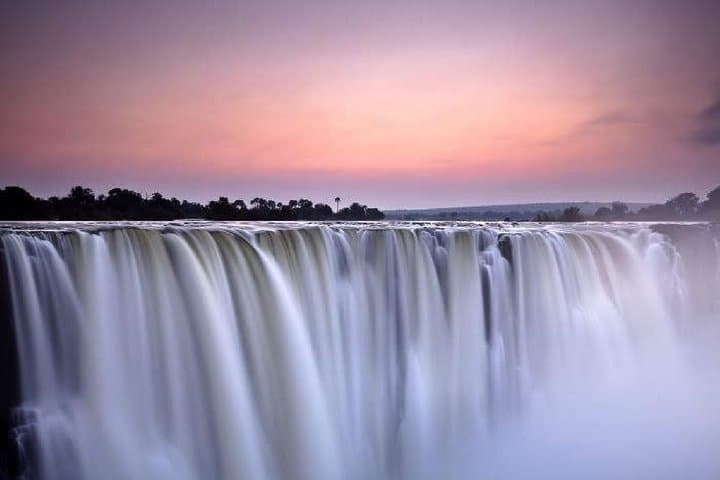

The first light of dusk slips behind the spray from the falls and the southern sky opens like a map. In the hush beyond the tourist crowds, a knowledgeable guide points out bright Southern Hemisphere markers — the Magellanic Clouds low on the horizon, the Southern Cross standing high — while the Zambezi murmurs below, its current almost daring you to look up instead of down.
The first light of dusk slips behind the spray from the falls and the southern sky opens like a map. In the hush beyond the tourist crowds, a knowledgeable guide points out bright Southern Hemisphere markers — the Magellanic Clouds low on the horizon, the Southern Cross standing high — while the Zambezi murmurs below, its current almost daring you to look up instead of down.
This short, two-hour night walk links natural history and local myth. Victoria Falls — Mosi-oa-Tunya, “the smoke that thunders” — has long framed local astronomy and stories told around fires; guides frequently weave African sky lore with modern constellations. Geologically the basalt cliffs of the Batoka Gorge provide a dark rim away from town lights, producing notably clear skies during dry months.
Expect low-impact, accessibility-focused operations: small private groups, wheelchair-accessible meeting points, and hot drinks provided. The experience is primarily observational and interpretive rather than technical; binoculars or a small telescope add detail but aren’t required.
Practical tips: arrive after dinner, bring warm layers for the chilly post-sunset wind off the gorge, and favour a red-filter headlamp to preserve night vision. Check weather—the wet season brings cloud and spray that can erase the view. Respect local guides and park rules: no loud noise near wildlife, and avoid strong flashlight beams that disrupt both animals and fellow observers.
This outing pairs well with an earlier sunset walk or a day on the Zambezi; with clear skies it’s an accessible way to add a lasting, sky-painted perspective to a Victoria Falls itinerary.