THE ADVENTURE COLLECTIVE® · Independent discovery and booking for outdoor travel

Visit the Vatican Observatory’s reopened domes at the Papal Palace in Castel Gandolfo for a close look at historic telescopes and sweeping views of Lake Albano. This one-hour experience blends astronomy, papal history and a short climb to a panoramic terrace.
Visit the Vatican Observatory’s reopened domes at the Papal Palace in Castel Gandolfo for a close look at historic telescopes and sweeping views of Lake Albano. This one-hour experience blends astronomy, papal history and a short climb to a panoramic terrace.
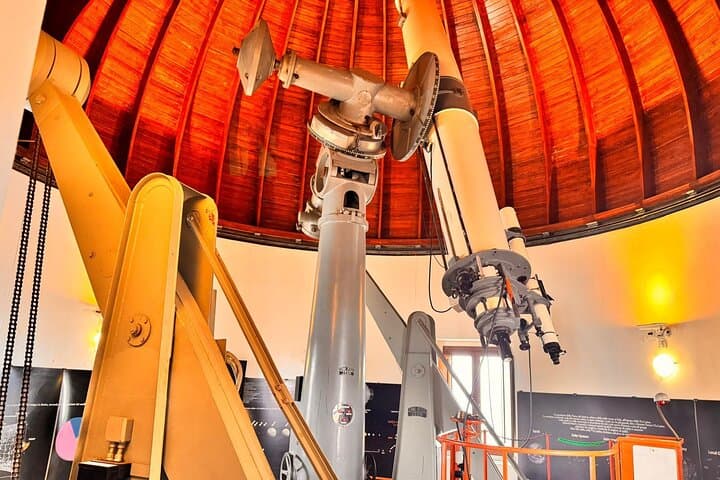
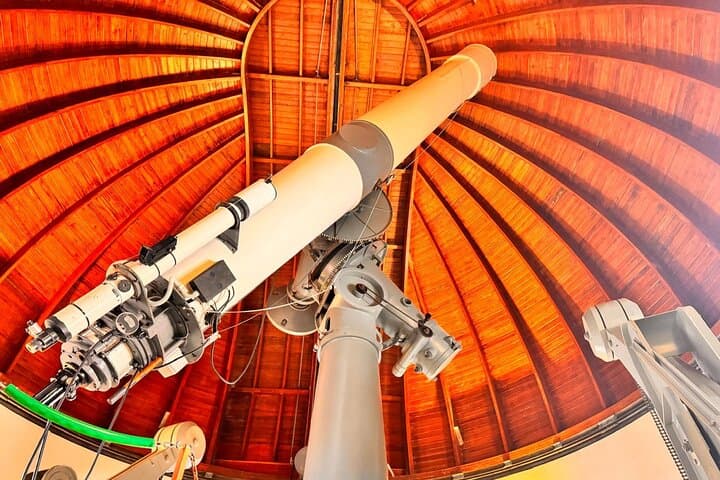
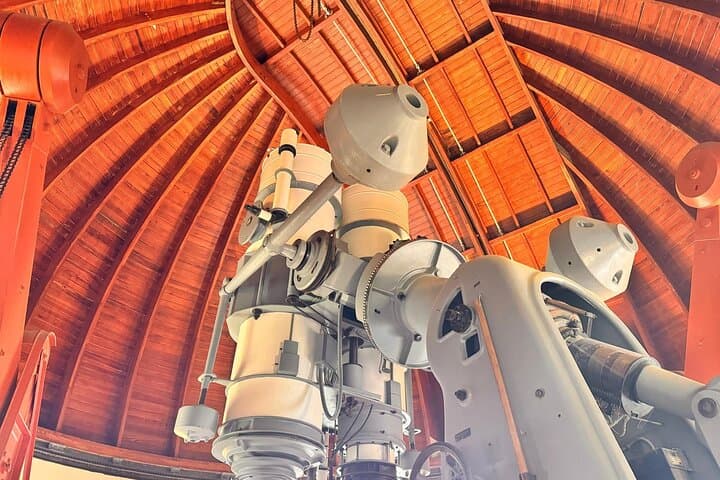
You climb a tight spiral staircase and the town slips away: roofs, coppiced oaks and the broad bowl of Lake Albano opening like a dark glass. On the third-floor terrace of the Papal Palace the air carries the cool scent of water and laurel; ahead, two white domes rise—an 8.5 m visual telescope and an 8 m double astrograph used for star mapping.
Verified experiences and guided adventures in the surrounding area.
Operated by TOURISTATION · Castel Gandolfo, Lazio
You climb a tight spiral staircase and the town slips away: roofs, coppiced oaks and the broad bowl of Lake Albano opening like a dark glass. On the third-floor terrace of the Papal Palace the air carries the cool scent of water and laurel; ahead, two white domes rise—an 8.5 m visual telescope and an 8 m double astrograph used for star mapping.
The site is steeped in layered history. Castel Gandolfo has been the papal summer residence since the 17th century; the Vatican Observatory, run by Jesuit astronomers, connects centuries of celestial study with modern programs in astrometry and public outreach. Geologically the lake sits in a volcanic caldera, its steep rim giving the terrace a panoramic vantage where Rome’s distant skyline meets a volcanic basin.
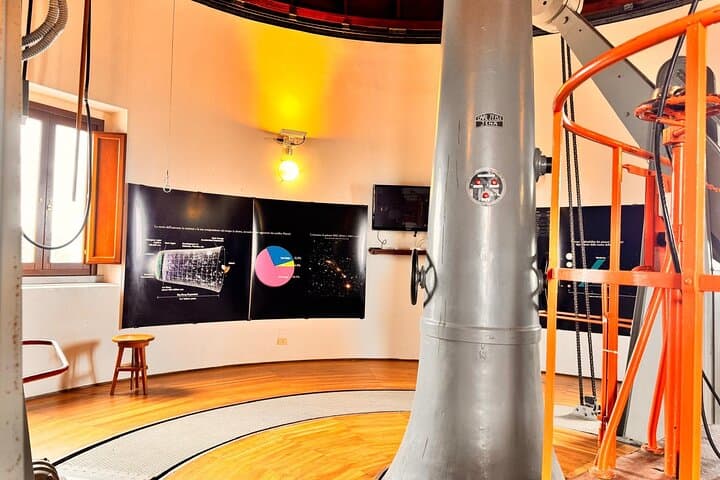
Culturally the visit balances faith, science and local life: small cafés cluster along the piazza below and shepherded olive groves slope toward the water. The observatory’s domes—opened to the public after decades—offer a rare close-up of instruments that helped map stars long before digital surveys.
Practical guidance: book the instant ticket, arrive by train or bus from Rome to allow time for cobbled streets, and expect one hour on site with stair access to the domes and terrace. Wear sensible shoes for uneven flooring, bring a light jacket for the terrace breeze and a camera for daylight views (no flash inside domes). The tour is family-friendly above age limits but not suited for those with severe spinal issues; check accessibility and age rules before booking.
easy.
1 hour.
Suitable for most visitors who can manage a short stair climb and brief standing on terraces
The official visit lasts about one hour, which includes access to the third-floor terrace and the two domes.
Children under 7 are not permitted for safety reasons; older children are welcome but stair access and quiet rules apply.
The visit requires stair climbing and is not recommended for travelers with spinal problems; contact the operator about specific accessibility needs.
Tripods and flash photography are typically restricted to protect equipment—follow staff instructions on-site.
Castel Gandolfo has served as the papal summer residence since the 17th century; the Vatican Observatory is a historic Jesuit-run research site with roots in 19th–20th century astronomical surveying.
Light-control measures around observatories help protect dark-sky research; visitors should minimize light use and stick to paths to reduce shoreline impact.
TOURISTATION operates guided outdoor trips and adventures with an emphasis on safety, stewardship, and memorable experiences.
You climb a tight spiral staircase and the town slips away: roofs, coppiced oaks and the broad bowl of Lake Albano opening like a dark glass. On the third-floor terrace of the Papal Palace the air carries the cool scent of water and laurel; ahead, two white domes rise—an 8.5 m visual telescope and an 8 m double astrograph used for star mapping.
You climb a tight spiral staircase and the town slips away: roofs, coppiced oaks and the broad bowl of Lake Albano opening like a dark glass. On the third-floor terrace of the Papal Palace the air carries the cool scent of water and laurel; ahead, two white domes rise—an 8.5 m visual telescope and an 8 m double astrograph used for star mapping.
The site is steeped in layered history. Castel Gandolfo has been the papal summer residence since the 17th century; the Vatican Observatory, run by Jesuit astronomers, connects centuries of celestial study with modern programs in astrometry and public outreach. Geologically the lake sits in a volcanic caldera, its steep rim giving the terrace a panoramic vantage where Rome’s distant skyline meets a volcanic basin.
Culturally the visit balances faith, science and local life: small cafés cluster along the piazza below and shepherded olive groves slope toward the water. The observatory’s domes—opened to the public after decades—offer a rare close-up of instruments that helped map stars long before digital surveys.
Practical guidance: book the instant ticket, arrive by train or bus from Rome to allow time for cobbled streets, and expect one hour on site with stair access to the domes and terrace. Wear sensible shoes for uneven flooring, bring a light jacket for the terrace breeze and a camera for daylight views (no flash inside domes). The tour is family-friendly above age limits but not suited for those with severe spinal issues; check accessibility and age rules before booking.