THE ADVENTURE COLLECTIVE® · Independent discovery and booking for outdoor travel

An eight-hour small-group tour that pairs an afternoon guided visit to the Teide Observatory with long-range telescope stargazing at the cable car base station. Perfect for travelers who want science-led sky viewing under some of Europe’s darkest skies.
An eight-hour small-group tour that pairs an afternoon guided visit to the Teide Observatory with long-range telescope stargazing at the cable car base station. Perfect for travelers who want science-led sky viewing under some of Europe’s darkest skies.
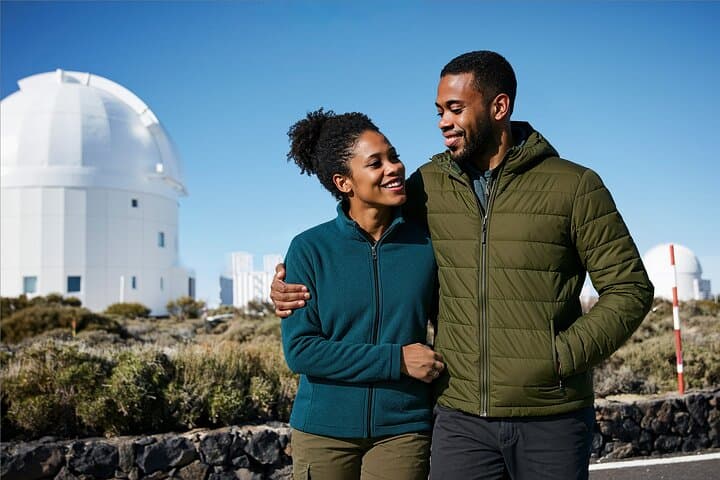
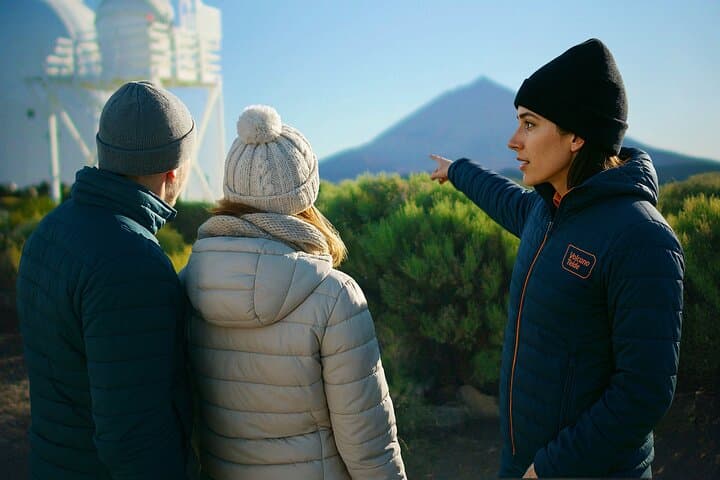
You arrive as the island shifts from late-afternoon heat to thin, cool air—roadside pines gossiping while the highway falls away and the caldera opens. The guide leads a small group up toward the observatory, where the sunlit domes of the Teide Observatory give way to the deep, black theater of Teide National Park after sunset. The sky here feels close enough to touch; stars begin to assert themselves, and the long-range telescope brings planets and nebulae into sharp, moving focus.
Verified experiences and guided adventures in the surrounding area.
Operated by Volcano Teide Experience · La Orotava, Tenerife
You arrive as the island shifts from late-afternoon heat to thin, cool air—roadside pines gossiping while the highway falls away and the caldera opens. The guide leads a small group up toward the observatory, where the sunlit domes of the Teide Observatory give way to the deep, black theater of Teide National Park after sunset. The sky here feels close enough to touch; stars begin to assert themselves, and the long-range telescope brings planets and nebulae into sharp, moving focus.
Geology and history anchor the scene. Mount Teide is a stratovolcano and Spain’s highest peak; its lava fields record eruptions that shaped Tenerife’s slopes. The observatory itself sits at high altitude for clearer seeing—chosen for stable air and low light pollution—and has been a hub for solar and stellar research for decades. Local culture around Teide blends Canary Island farming villages with scientific tourism: guides often reference Guanche place names and the island’s volcanic past.
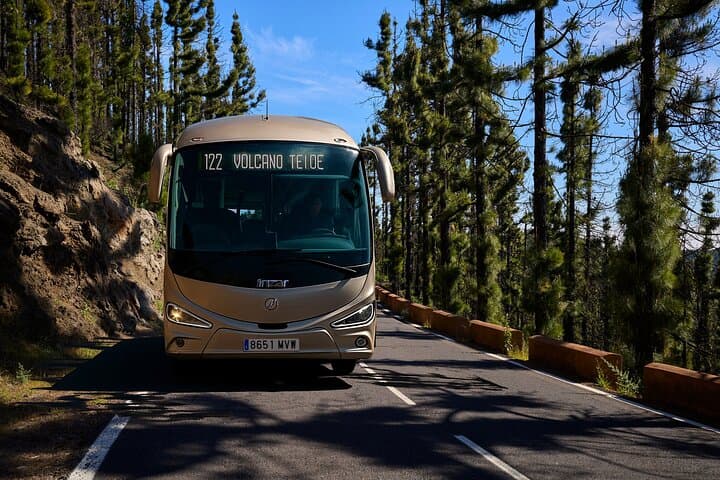
Practical guidance is straightforward. The full program runs about eight hours and includes an afternoon guided visit to the Teide Observatory followed by stargazing near the cable car base. Expect night temperatures well below coastal values—bring insulated layers—and allow extra time for travel to/from southern resorts. The tour is best for visitors comfortable walking short slopes at roughly 2,000–2,400 m elevation; it’s not wheelchair accessible and minimum age is eight. A starlight guide operates the telescope and frames objects for the group; shared transport from designated meeting points is included. If weather cancels, operators offer alternatives or refunds. Pack water, layered clothing, sturdy footwear and patience—the sky here rewards those who prepare.
moderate.
8 hours.
Suitable for people with a moderate fitness level able to walk short slopes at high altitude; not suitable for those with serious cardiovascular conditions.
Yes—round-trip shared transfer from designated meeting points on Tenerife is included; you must select a pickup point when booking.
Expect temperatures 10–20°C lower than the coast after sunset; in winter, temperatures can drop below freezing near Mount Teide.
Children aged 8 and older may participate but must be accompanied by an adult; tours are not recommended for those with serious health issues.
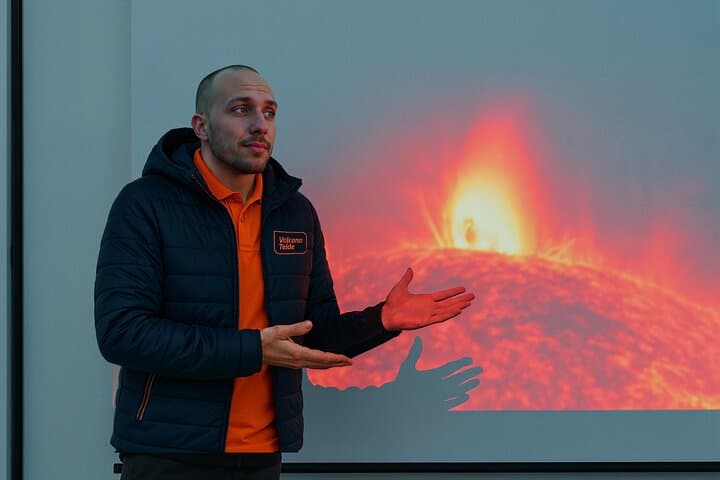
The guide operates long-range telescopes and directs viewing for the group—participants typically observe through the instruments under guided supervision.
The Teide Observatory was established to take advantage of Tenerife’s stable, dry air and low light pollution; the area has long been important for both astronomical research and local cultural identity.
Teide National Park is a protected landscape—stick to marked paths, avoid disturbing native plants, and follow park rules to limit light and habitat disturbance.
Volcano Teide Experience operates guided outdoor trips and adventures with an emphasis on safety, stewardship, and memorable experiences.
You arrive as the island shifts from late-afternoon heat to thin, cool air—roadside pines gossiping while the highway falls away and the caldera opens. The guide leads a small group up toward the observatory, where the sunlit domes of the Teide Observatory give way to the deep, black theater of Teide National Park after sunset. The sky here feels close enough to touch; stars begin to assert themselves, and the long-range telescope brings planets and nebulae into sharp, moving focus.
You arrive as the island shifts from late-afternoon heat to thin, cool air—roadside pines gossiping while the highway falls away and the caldera opens. The guide leads a small group up toward the observatory, where the sunlit domes of the Teide Observatory give way to the deep, black theater of Teide National Park after sunset. The sky here feels close enough to touch; stars begin to assert themselves, and the long-range telescope brings planets and nebulae into sharp, moving focus.
Geology and history anchor the scene. Mount Teide is a stratovolcano and Spain’s highest peak; its lava fields record eruptions that shaped Tenerife’s slopes. The observatory itself sits at high altitude for clearer seeing—chosen for stable air and low light pollution—and has been a hub for solar and stellar research for decades. Local culture around Teide blends Canary Island farming villages with scientific tourism: guides often reference Guanche place names and the island’s volcanic past.
Practical guidance is straightforward. The full program runs about eight hours and includes an afternoon guided visit to the Teide Observatory followed by stargazing near the cable car base. Expect night temperatures well below coastal values—bring insulated layers—and allow extra time for travel to/from southern resorts. The tour is best for visitors comfortable walking short slopes at roughly 2,000–2,400 m elevation; it’s not wheelchair accessible and minimum age is eight. A starlight guide operates the telescope and frames objects for the group; shared transport from designated meeting points is included. If weather cancels, operators offer alternatives or refunds. Pack water, layered clothing, sturdy footwear and patience—the sky here rewards those who prepare.