THE ADVENTURE COLLECTIVE® · Independent discovery and booking for outdoor travel

Explore a winter canyon like a scientist: guided microspike-assisted walks lead families up to frozen waterfalls with hands-on experiments, interpretive stops, and hot chocolate at the cascade. Practical safety, geology, and accessible terrain make this a great winter introduction to alpine ice features.
Explore a winter canyon like a scientist: guided microspike-assisted walks lead families up to frozen waterfalls with hands-on experiments, interpretive stops, and hot chocolate at the cascade. Practical safety, geology, and accessible terrain make this a great winter introduction to alpine ice features.
A low, steel-gray sky presses into the canyon as you step off the trailhead and into a corridor of frozen water. The creek gurgles under a shell of ice that dares you to study it; the cliffs above hold fingers of blue-white ice that catch the light and the guide's flashlight. Children press palms to marked microscope stations and laugh as steam from hot chocolate fogs the air—this is a winter field lab, where curiosity leads the route.
Verified experiences and guided adventures in the surrounding area.
Operated by Uplift Adventures · Crowsnest Pass, Alberta
A low, steel-gray sky presses into the canyon as you step off the trailhead and into a corridor of frozen water. The creek gurgles under a shell of ice that dares you to study it; the cliffs above hold fingers of blue-white ice that catch the light and the guide's flashlight. Children press palms to marked microscope stations and laugh as steam from hot chocolate fogs the air—this is a winter field lab, where curiosity leads the route.
Geology here is blunt and immediate: the Crowsnest Pass cuts through coal-bearing seams, and decades of freeze-thaw sculpt the canyon walls and fragile ice formations. The area carries a coal-mining legacy and the memory of the 1903 Frank Slide; locals still point out sites where human industry reshaped the slopes. Culturally, this is outdoor Alberta—people come prepared, respect the weather, and trade tips on safe winter travel.
Practically, the guided walk runs about 2.5 hours with short steeper sections and several interpretive stops. Guides issue microspikes and safety gear and lead the safest crossings over icy sections; participants should be ready for packed-snow trails, intermittent elevation gain, and temperatures well below freezing. Bring insulated waterproof boots, layered clothing, a warm hat and gloves, and a water bottle that won’t freeze. Expect frequent photo stops at the frozen cascade and time for simple experiments and hot chocolate at the waterfall.
This is a family-friendly, moderately paced winter adventure that blends hands-on science with cautious exploration—ideal for anyone who wants their winter hike to be informative as well as beautiful.
moderate.
2–3 hours.
Participants should have a moderate fitness level—able to handle short steep sections and 3–5 km of walking over uneven, icy ground.
Yes—this family-oriented experience is designed for children with guided science activities, but guardians should ensure kids can manage cold conditions and follow guide instructions.
Tours may be canceled for unsafe conditions; the operator’s policy indicates excursions are weather-dependent and may be canceled without refund.
Yes—microspikes for feet are issued by the guide as part of the equipment for safe ice travel.
It’s moderate: several short, steeper sections and packed-ice terrain over roughly 2–3 hours; a basic level of fitness is recommended.
The Crowsnest Pass area has deep coal-mining roots and is near the site of the 1903 Frank Slide, events that shaped local settlement and the canyon’s trails.
Winter routes can damage fragile ice features and riparian zones—stay on established trails, avoid breaking ice formations, and pack out all waste to protect the canyon.
Uplift Adventures operates guided outdoor trips and adventures with an emphasis on safety, stewardship, and memorable experiences.
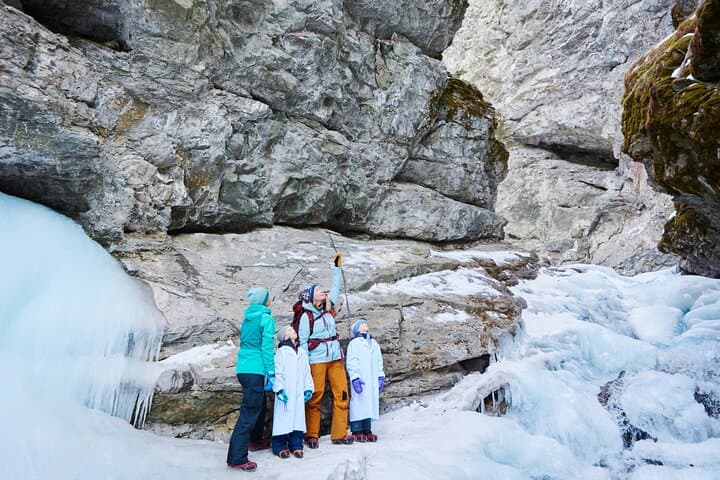
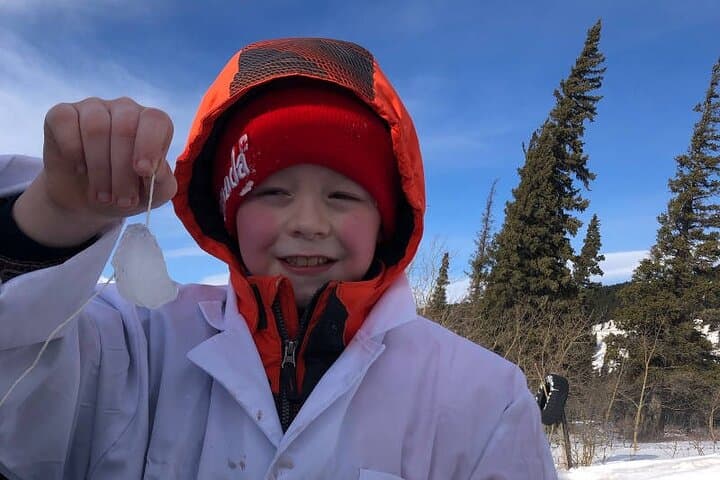
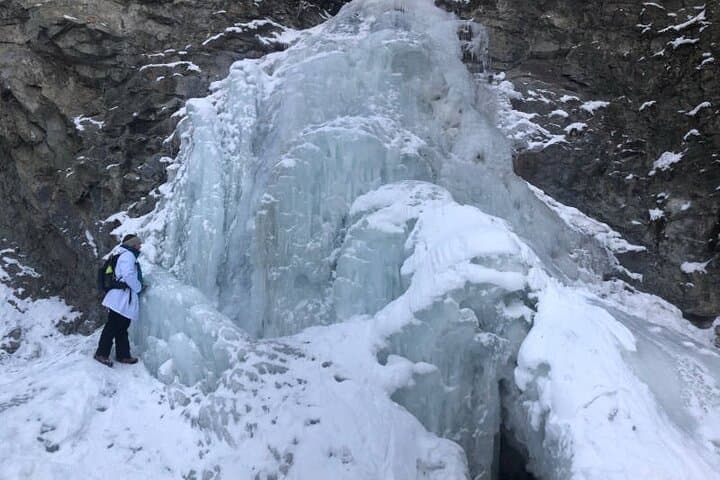
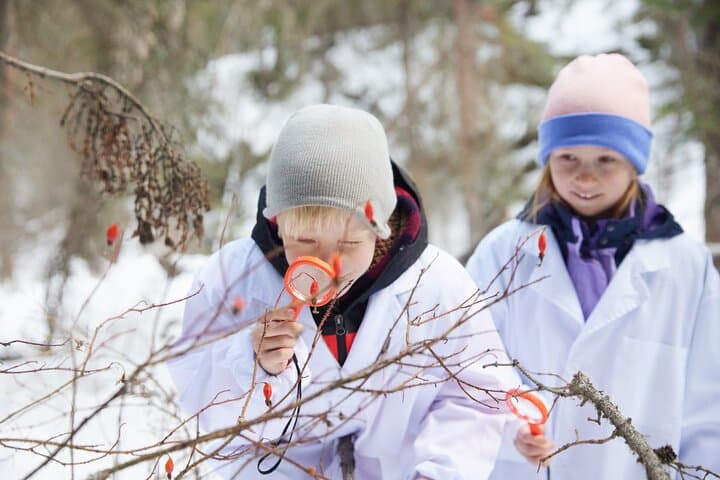
A low, steel-gray sky presses into the canyon as you step off the trailhead and into a corridor of frozen water. The creek gurgles under a shell of ice that dares you to study it; the cliffs above hold fingers of blue-white ice that catch the light and the guide's flashlight. Children press palms to marked microscope stations and laugh as steam from hot chocolate fogs the air—this is a winter field lab, where curiosity leads the route.
A low, steel-gray sky presses into the canyon as you step off the trailhead and into a corridor of frozen water. The creek gurgles under a shell of ice that dares you to study it; the cliffs above hold fingers of blue-white ice that catch the light and the guide's flashlight. Children press palms to marked microscope stations and laugh as steam from hot chocolate fogs the air—this is a winter field lab, where curiosity leads the route.
Geology here is blunt and immediate: the Crowsnest Pass cuts through coal-bearing seams, and decades of freeze-thaw sculpt the canyon walls and fragile ice formations. The area carries a coal-mining legacy and the memory of the 1903 Frank Slide; locals still point out sites where human industry reshaped the slopes. Culturally, this is outdoor Alberta—people come prepared, respect the weather, and trade tips on safe winter travel.
Practically, the guided walk runs about 2.5 hours with short steeper sections and several interpretive stops. Guides issue microspikes and safety gear and lead the safest crossings over icy sections; participants should be ready for packed-snow trails, intermittent elevation gain, and temperatures well below freezing. Bring insulated waterproof boots, layered clothing, a warm hat and gloves, and a water bottle that won’t freeze. Expect frequent photo stops at the frozen cascade and time for simple experiments and hot chocolate at the waterfall.
This is a family-friendly, moderately paced winter adventure that blends hands-on science with cautious exploration—ideal for anyone who wants their winter hike to be informative as well as beautiful.