THE ADVENTURE COLLECTIVE® · Independent discovery and booking for outdoor travel

Stand on paved viewpoints as the Zambezi plunges over basalt, sending spray across concrete paths. This 2–3 hour guided walk on the Zambian side pairs geology, culture and accessible viewpoints for a vivid waterfall experience.
Stand on paved viewpoints as the Zambezi plunges over basalt, sending spray across concrete paths. This 2–3 hour guided walk on the Zambian side pairs geology, culture and accessible viewpoints for a vivid waterfall experience.
You step onto broad concrete paths and the world shifts: the Zambezi river roars, spray threads the air, and the cliffline seems to breathe. On the Zambian side, viewing platforms bring you close enough to feel the falls’ force—water hurling itself over basalt lip and daring you to stand still.
Verified experiences and guided adventures in the surrounding area.
Operated by Falcon Safaris · Livingstone, Southern Province
You step onto broad concrete paths and the world shifts: the Zambezi river roars, spray threads the air, and the cliffline seems to breathe. On the Zambian side, viewing platforms bring you close enough to feel the falls’ force—water hurling itself over basalt lip and daring you to stand still.
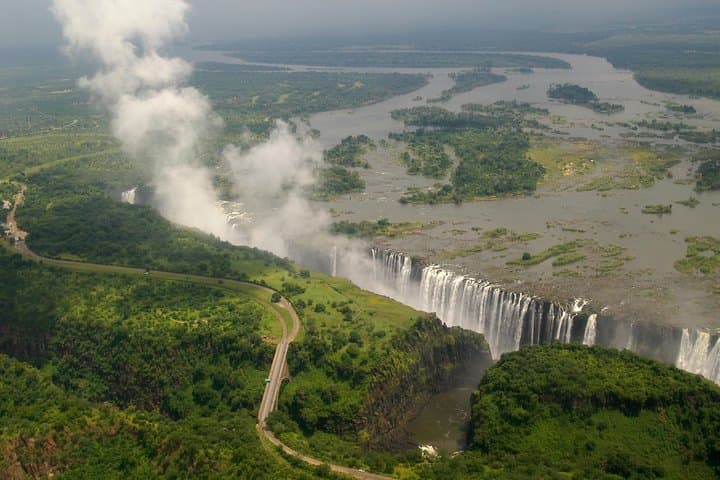
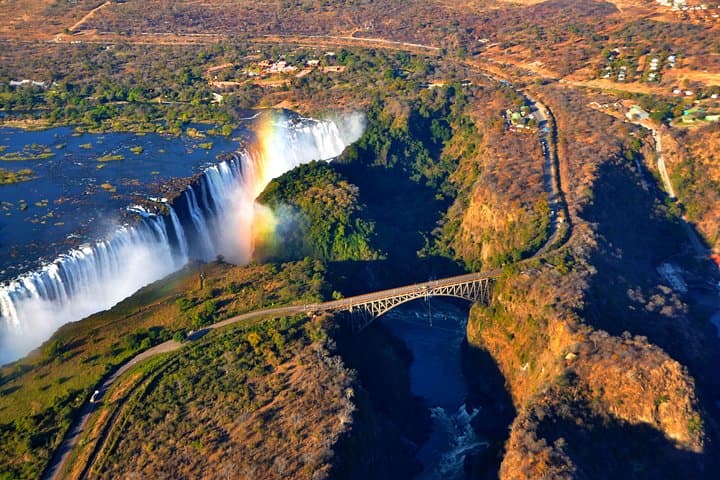
Geology here is blunt and old: basalt flows cracked and eroded by a river that has moved its plunge pool downstream over millennia, carving gorges you can trace from the lookout points. Historically the falls (Mosi-oa-Tunya, “the smoke that thunders”) have anchored Tonga and Lozi cultural life and later drew explorers and engineers—both reverent and extractive.
The tour follows paved, wheelchair-friendly routes with stepped viewpoints, each framing a different angle of the curtain of water. Guides explain local stories, park regulations and the seasonal moods of the Zambezi: high water months swell the spray, low water months reveal islands and calmer channels.
Practical guidance: plan for 2–3 hours including transfers; expect minimal elevation gain but wet surfaces. Wear non-slip shoes, bring a waterproof layer and protect electronics from spray. Morning and late afternoon light are best for photos; mid-day can be steamy with heavier mist. Hydrate and allow time to move between viewpoints—wind and spray change visibility quickly.
This is an accessible encounter with raw hydraulic power: sensory, educational and short enough to pair with Livingstone excursions, village visits, or a sunset river cruise downstream.
easy.
2–3 hours.
Suitable for most fitness levels; involves short, mostly flat walks and some stairs at viewpoints.
The tour runs about 2–3 hours including time at multiple viewpoints; pick-up and drop-off are typically included.
Yes—spray from the falls reaches many viewing platforms. A raincoat is provided, but bring waterproof protection for electronics.
Many paths and platforms on the Zambian side are concrete and wheelchair accessible, though some vantage points may include steps—check with the operator for specific assistance needs.
National park fees and an experienced guide are listed as included in the tour price; confirm details at booking.
The falls have been central to local Tonga culture for centuries; European explorers later popularized them as a major natural attraction in the late 19th century.
Victoria Falls is within a national park with active visitor management to protect riverbanks and viewpoints; stay on paths and follow guide instructions to minimize erosion and disturbance.
Falcon Safaris operates guided outdoor trips and adventures with an emphasis on safety, stewardship, and memorable experiences.
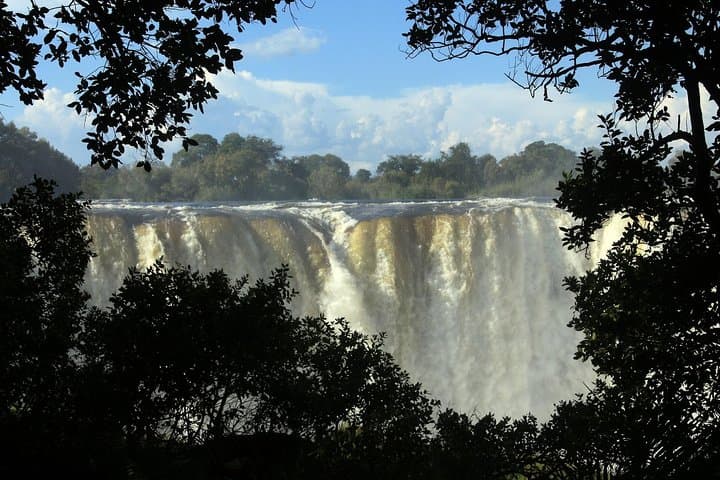
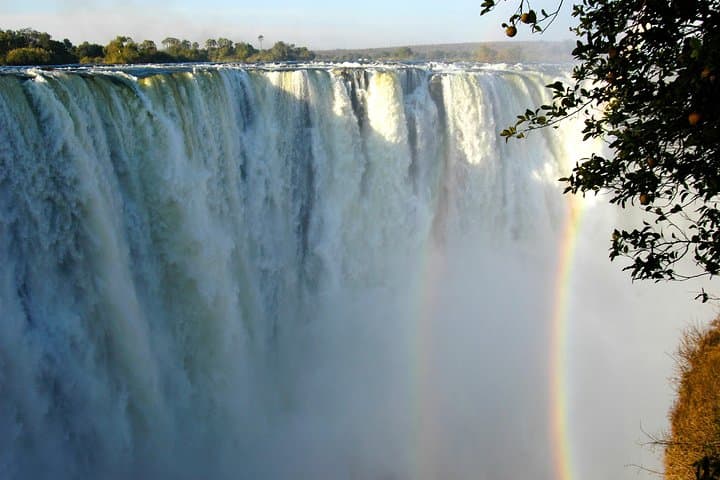
You step onto broad concrete paths and the world shifts: the Zambezi river roars, spray threads the air, and the cliffline seems to breathe. On the Zambian side, viewing platforms bring you close enough to feel the falls’ force—water hurling itself over basalt lip and daring you to stand still.
You step onto broad concrete paths and the world shifts: the Zambezi river roars, spray threads the air, and the cliffline seems to breathe. On the Zambian side, viewing platforms bring you close enough to feel the falls’ force—water hurling itself over basalt lip and daring you to stand still.
Geology here is blunt and old: basalt flows cracked and eroded by a river that has moved its plunge pool downstream over millennia, carving gorges you can trace from the lookout points. Historically the falls (Mosi-oa-Tunya, “the smoke that thunders”) have anchored Tonga and Lozi cultural life and later drew explorers and engineers—both reverent and extractive.
The tour follows paved, wheelchair-friendly routes with stepped viewpoints, each framing a different angle of the curtain of water. Guides explain local stories, park regulations and the seasonal moods of the Zambezi: high water months swell the spray, low water months reveal islands and calmer channels.
Practical guidance: plan for 2–3 hours including transfers; expect minimal elevation gain but wet surfaces. Wear non-slip shoes, bring a waterproof layer and protect electronics from spray. Morning and late afternoon light are best for photos; mid-day can be steamy with heavier mist. Hydrate and allow time to move between viewpoints—wind and spray change visibility quickly.
This is an accessible encounter with raw hydraulic power: sensory, educational and short enough to pair with Livingstone excursions, village visits, or a sunset river cruise downstream.