THE ADVENTURE COLLECTIVE® · Independent discovery and booking for outdoor travel

Glide the sheltered lagoon at the tongue of Mussulo Island, a quick shuttle from Luanda. This family-friendly SUP tour pairs calm water paddling with a beach lunch and coastal views.
Glide the sheltered lagoon at the tongue of Mussulo Island, a quick shuttle from Luanda. This family-friendly SUP tour pairs calm water paddling with a beach lunch and coastal views.
The Atlantic lays out a warm, wide invitation as you step onto the Lingua — the narrow spit at the tip of Mussulo Island — board wobbling underfoot and gulls eyeing the morning tide.
Verified experiences and guided adventures in the surrounding area.
Operated by Westtour_Angola · Luanda, Luanda Province
The Atlantic lays out a warm, wide invitation as you step onto the Lingua — the narrow spit at the tip of Mussulo Island — board wobbling underfoot and gulls eyeing the morning tide.
Paddling here is simple and immediate: broad, protected shallows on one side, the open bay of Luanda on the other. Mussulo itself is a sandy barrier spit formed by longshore currents and sediments carried from the Cuanza estuary; dunes give way to mangrove pockets and shallow reef patches that shape the sheltered lagoons ideal for SUP.
Historically the island served local fishers and became a weekend escape for Luandans during colonial times; today small resorts and day-trip operators run short shuttles from the city for sun, sand and calm water outings.
Expect easy glide sections and occasional crosswinds where the bay breathes; currents near the tongue can nudge boards faster than you anticipate. Local culture is relaxed—vendors at the landing sell snacks and fresh fish, and guides will point out spots where dolphins sometimes feed at dusk.
Practical basics: the trip runs about six hours with a 20-minute shuttle to the Lingua, lunch and equipment provided. Morning departures are calmer; bring reef-safe sunscreen, a wide-brim hat, and a light dry bag for phones. If you’re new to paddling, choose a larger, stable board and let the guide demonstrate stroke and self-rescue techniques.
This is low-impact, family-friendly ocean time: straightforward navigation, scenic coastal views, and a chance to float between Luanda’s city silhouette and the quiet island shore.
easy.
6 hours.
Suitable for all fitness levels; basic balance and the ability to stand for short periods recommended
The shuttle to the Lingua typically takes about 20–30 minutes from central Luanda depending on traffic and the operator’s pickup point.
No—this tour is suitable for beginners and families; guides cover basic strokes, balance and a simple self-rescue before launching.
Standard inclusions are round-trip transfer, stand-up paddle equipment, life jacket, lunch (sandwiches and snacks) and water; confirm any extras with your operator.
Yes—operators usually cancel or reschedule in high winds or heavy rain; check the 24‑hour cancellation policy for refunds or rebooking.
Mussulo evolved from a fishing and boatbuilding community into a recreational escape for Luanda residents, with Portuguese-era beach houses dotting its shores.
The island’s dune, mangrove and reef habitats are sensitive—avoid trampling vegetation, pack out all trash and use reef-safe products to limit impact.
Westtour_Angola operates guided outdoor trips and adventures with an emphasis on safety, stewardship, and memorable experiences.
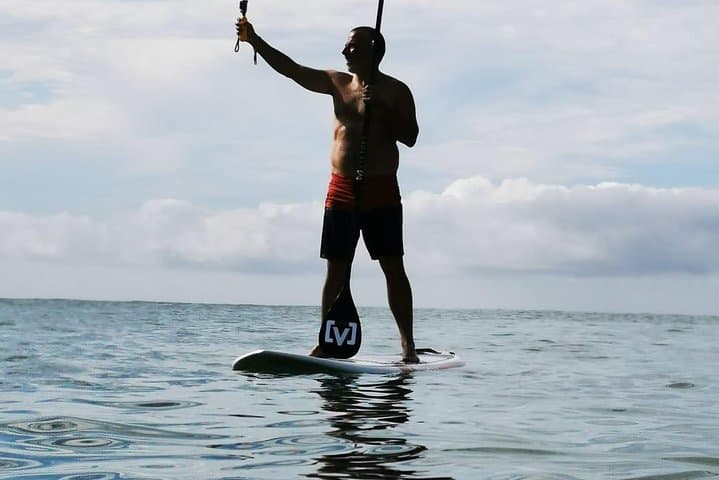


The Atlantic lays out a warm, wide invitation as you step onto the Lingua — the narrow spit at the tip of Mussulo Island — board wobbling underfoot and gulls eyeing the morning tide.
The Atlantic lays out a warm, wide invitation as you step onto the Lingua — the narrow spit at the tip of Mussulo Island — board wobbling underfoot and gulls eyeing the morning tide.
Paddling here is simple and immediate: broad, protected shallows on one side, the open bay of Luanda on the other. Mussulo itself is a sandy barrier spit formed by longshore currents and sediments carried from the Cuanza estuary; dunes give way to mangrove pockets and shallow reef patches that shape the sheltered lagoons ideal for SUP.
Historically the island served local fishers and became a weekend escape for Luandans during colonial times; today small resorts and day-trip operators run short shuttles from the city for sun, sand and calm water outings.
Expect easy glide sections and occasional crosswinds where the bay breathes; currents near the tongue can nudge boards faster than you anticipate. Local culture is relaxed—vendors at the landing sell snacks and fresh fish, and guides will point out spots where dolphins sometimes feed at dusk.
Practical basics: the trip runs about six hours with a 20-minute shuttle to the Lingua, lunch and equipment provided. Morning departures are calmer; bring reef-safe sunscreen, a wide-brim hat, and a light dry bag for phones. If you’re new to paddling, choose a larger, stable board and let the guide demonstrate stroke and self-rescue techniques.
This is low-impact, family-friendly ocean time: straightforward navigation, scenic coastal views, and a chance to float between Luanda’s city silhouette and the quiet island shore.