THE ADVENTURE COLLECTIVE® · Independent discovery and booking for outdoor travel

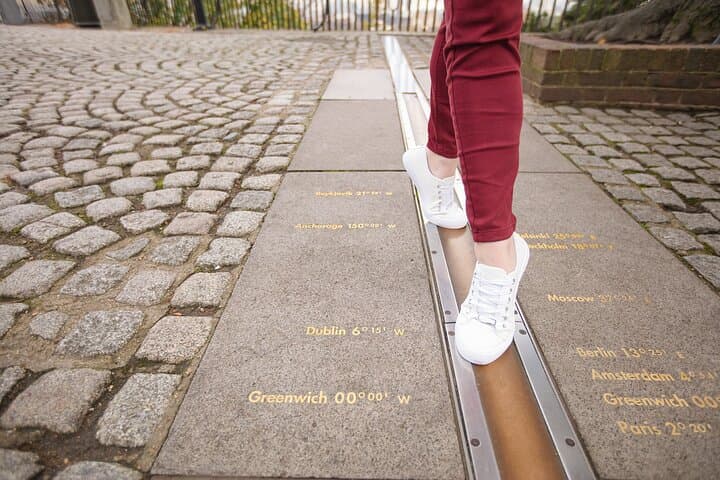
Stand with one foot in the eastern hemisphere and the other in the west at the Royal Observatory Greenwich. This two‑hour visit blends watchmaking history, astronomical instruments and sweeping views across London — plan for stairs, crowds, and excellent photo light.
Stand with one foot in the eastern hemisphere and the other in the west at the Royal Observatory Greenwich. This two‑hour visit blends watchmaking history, astronomical instruments and sweeping views across London — plan for stairs, crowds, and excellent photo light.
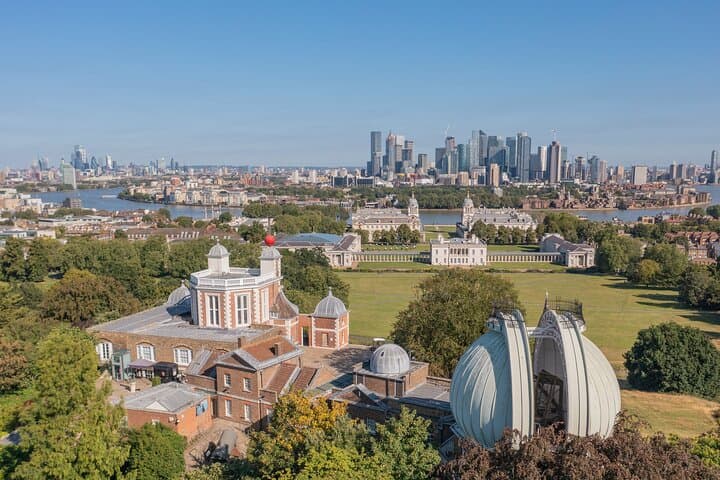
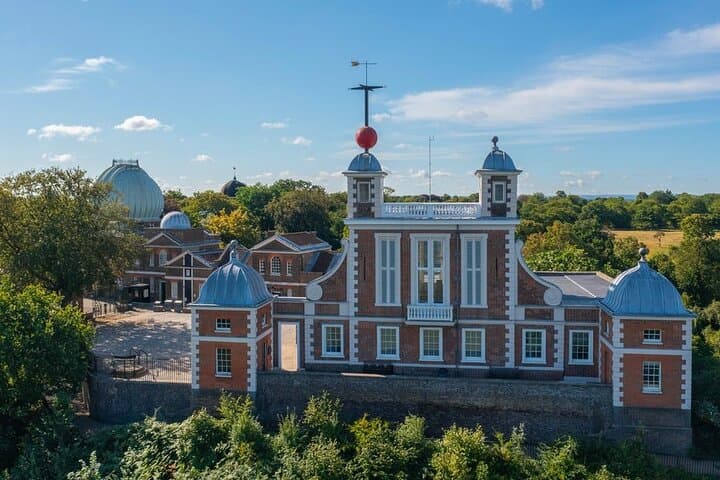
You crest the gentle rise of Greenwich Park and the city opens beneath you — the Thames sliding silver toward the city, rooftops and glass catching light. The red Time Ball on Flamsteed House stands like a punctuation mark on the skyline, daring you to time your visit with history.
Verified experiences and guided adventures in the surrounding area.
Operated by National Maritime Museum · London, England
You crest the gentle rise of Greenwich Park and the city opens beneath you — the Thames sliding silver toward the city, rooftops and glass catching light. The red Time Ball on Flamsteed House stands like a punctuation mark on the skyline, daring you to time your visit with history.
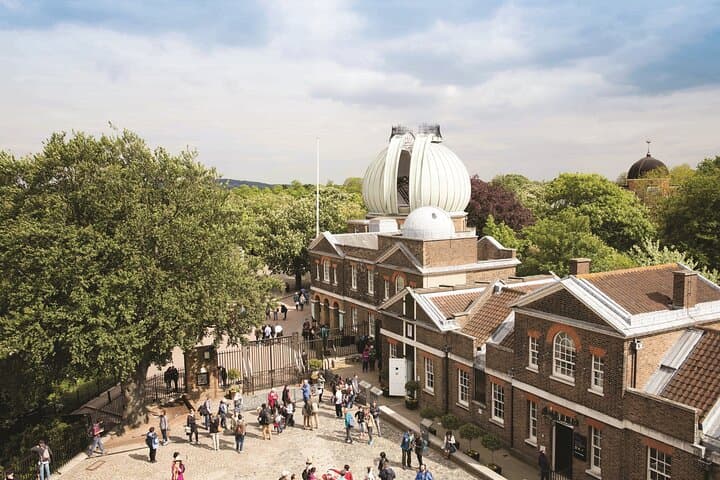
Perched on a 17th‑century hill appointed by Sir Christopher Wren, the Royal Observatory is where navigation, timekeeping and astronomy intersect. Flamsteed House holds the Octagon Room and Harrison’s chronometers — mechanical answers to a global problem of longitude — while the Shepherd Gate Clock first put Greenwich Mean Time on public display. The onion dome that houses the Great Equatorial Telescope recalls an era when telescopes cracked open new skies.
Culture and science merge here: the Observatory shaped naval navigation, influenced global time standards and sits within Maritime Greenwich, a UNESCO World Heritage Site. Nearby, the Cutty Sark and National Maritime Museum broaden the story of Britain’s seafaring past.
Practical guidance keeps your visit smooth: allow about two hours to stand on the Prime Meridian, tour Flamsteed House, and listen to the free multilingual audio guide. Tickets are mobile-friendly; arrive by DLR or riverboat to avoid steep park walks. Parts of the site have stairs and limited access — contact staff ahead for specific accessibility needs. Peak summer afternoons are busiest; early morning light gives the best views and clearer photos. Bring a waterproof layer, comfortable shoes and a charged phone to capture the moment where east meets west.
easy.
2 hours.
Suitable for most fitness levels; involves short uphill walk from the park and some standing.
Yes — the Meridian Courtyard lets visitors place a foot in each hemisphere; it’s a central exhibit included with admission.
Allocate about 90–120 minutes to see Flamsteed House, the Meridian Courtyard, and the telescope dome at a relaxed pace.
Yes — a free audio guide is provided in multiple languages and can be collected on arrival or downloaded where offered.
The site is wheelchair accessible in parts; some historic rooms and the dome have steps—contact the attraction in advance for details.
Founded in 1675, the Observatory set standards for navigation and timekeeping; Harrison’s chronometers solved the longitude problem that reshaped global seafaring.
The Observatory sits within a UNESCO World Heritage site; visitors are encouraged to follow marked paths and respect museum rules to protect historic fabric and parkland.
National Maritime Museum operates guided outdoor trips and adventures with an emphasis on safety, stewardship, and memorable experiences.
You crest the gentle rise of Greenwich Park and the city opens beneath you — the Thames sliding silver toward the city, rooftops and glass catching light. The red Time Ball on Flamsteed House stands like a punctuation mark on the skyline, daring you to time your visit with history.
You crest the gentle rise of Greenwich Park and the city opens beneath you — the Thames sliding silver toward the city, rooftops and glass catching light. The red Time Ball on Flamsteed House stands like a punctuation mark on the skyline, daring you to time your visit with history.
Perched on a 17th‑century hill appointed by Sir Christopher Wren, the Royal Observatory is where navigation, timekeeping and astronomy intersect. Flamsteed House holds the Octagon Room and Harrison’s chronometers — mechanical answers to a global problem of longitude — while the Shepherd Gate Clock first put Greenwich Mean Time on public display. The onion dome that houses the Great Equatorial Telescope recalls an era when telescopes cracked open new skies.
Culture and science merge here: the Observatory shaped naval navigation, influenced global time standards and sits within Maritime Greenwich, a UNESCO World Heritage Site. Nearby, the Cutty Sark and National Maritime Museum broaden the story of Britain’s seafaring past.
Practical guidance keeps your visit smooth: allow about two hours to stand on the Prime Meridian, tour Flamsteed House, and listen to the free multilingual audio guide. Tickets are mobile-friendly; arrive by DLR or riverboat to avoid steep park walks. Parts of the site have stairs and limited access — contact staff ahead for specific accessibility needs. Peak summer afternoons are busiest; early morning light gives the best views and clearer photos. Bring a waterproof layer, comfortable shoes and a charged phone to capture the moment where east meets west.