THE ADVENTURE COLLECTIVE® · Independent discovery and booking for outdoor travel

Step through the Gladiator Gate and stand on the Colosseum’s arena floor—an hour-long, close-up encounter with Rome’s most iconic amphitheater. Practical tips on ID, timing and what to expect inside the ancient monument.
Step through the Gladiator Gate and stand on the Colosseum’s arena floor—an hour-long, close-up encounter with Rome’s most iconic amphitheater. Practical tips on ID, timing and what to expect inside the ancient monument.
You step through the Gladiator Gate and the stones underfoot change the rhythm of your breath. The arena floor opens like a stage: sun slants across weathered travertine, distant traffic hums beyond broken arches, and the scale of the Colosseum presses a sense of human drama into the air.
Verified experiences and guided adventures in the surrounding area.
Operated by Rome City Tours · Rome, Lazio
You step through the Gladiator Gate and the stones underfoot change the rhythm of your breath. The arena floor opens like a stage: sun slants across weathered travertine, distant traffic hums beyond broken arches, and the scale of the Colosseum presses a sense of human drama into the air.
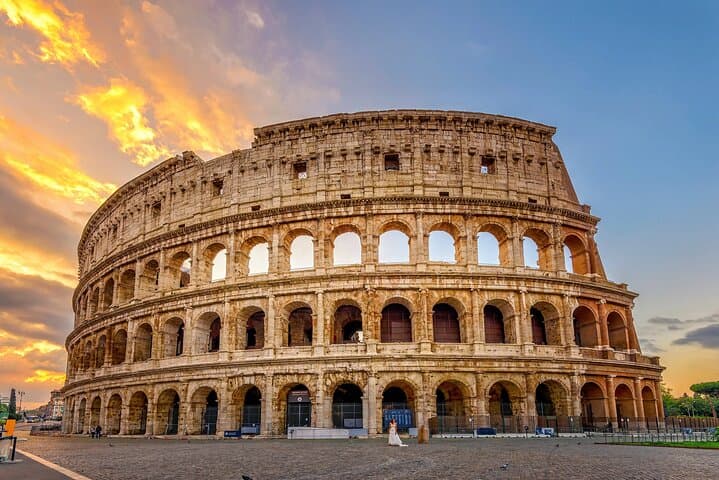
Built between 70–80 AD, the Colosseum hosted gladiators, reenacted sea battles and public spectacles that reflected Rome’s political theater and social order. The amphitheater’s core materials—travertine blocks, volcanic tufa and concrete—explain both its endurance and the patchwork restorations you’ll see. Nearby, the Palatine and Roman Forum complete the urban archaeological ensemble, tracing layers of civic life from republic to empire.
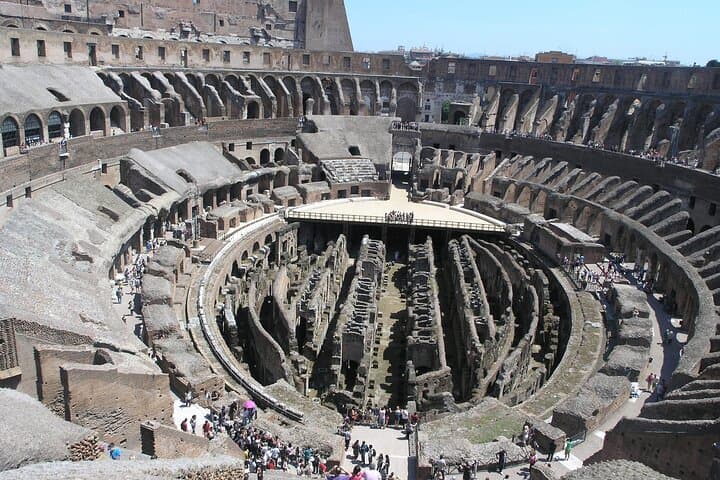
On the Arena Floor, the experience is equal parts imagination and architecture: imagine the gladiators’ paths, hear an echo where the crowd once roared, and note the arena’s restricted walkways installed to protect ancient surfaces. The visit also reflects modern Rome—ongoing conservation, guided access, and strict ID policies tied to ticketing.
Practical guidance: the experience is a 60‑minute reserve that includes Colosseum, Roman Forum and Palatine access—bring government ID that matches your booking name, carry a small bag (large backpacks are often refused), and expect security checks. Wear comfortable shoes for cobbled approaches and stairs; shade and water matter in summer. Arrive early to avoid peak crowds and read any pre-visit messages about restoration works. The Arena experience is brief but intimate: it strips away the crowds and leaves you standing where spectacle and history once met.
easy.
1 hour.
Minimal fitness required—short periods of standing and walking on uneven stone and steps; suitable for most people
The tour lists wheelchair accessibility—check with your provider in advance for the exact access route and any assistance required.
Photography is generally allowed, but tripods and professional setups may be restricted—follow staff instructions.
Mobile tickets are accepted, but make sure the name on the booking matches your ID and that your phone is charged to display the voucher.
Security screening is standard; large backpacks are often refused—use a small bag to avoid delays or denial of entry.
Constructed during the Flavian dynasty (70–80 AD), the Colosseum served as Rome’s principal arena for gladiatorial contests and public spectacles that reinforced imperial power.
Access to sensitive areas is limited to reduce wear; follow signage and guide instructions—support conservation by staying on designated pathways and disposing of waste properly.
Rome City Tours operates guided outdoor trips and adventures with an emphasis on safety, stewardship, and memorable experiences.
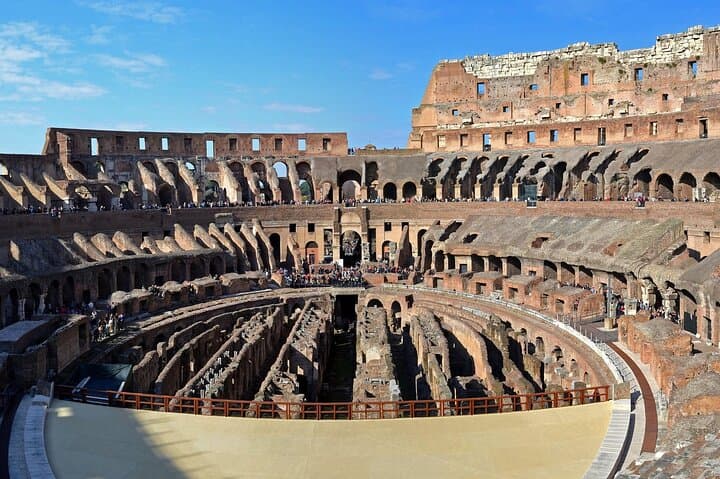
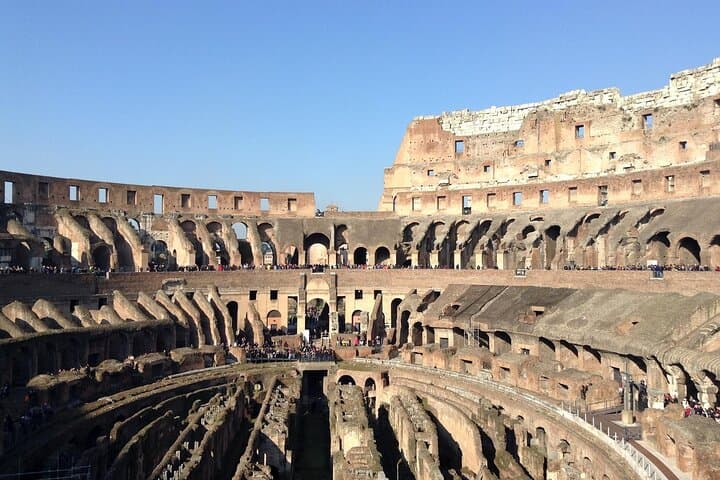
You step through the Gladiator Gate and the stones underfoot change the rhythm of your breath. The arena floor opens like a stage: sun slants across weathered travertine, distant traffic hums beyond broken arches, and the scale of the Colosseum presses a sense of human drama into the air.
You step through the Gladiator Gate and the stones underfoot change the rhythm of your breath. The arena floor opens like a stage: sun slants across weathered travertine, distant traffic hums beyond broken arches, and the scale of the Colosseum presses a sense of human drama into the air.
Built between 70–80 AD, the Colosseum hosted gladiators, reenacted sea battles and public spectacles that reflected Rome’s political theater and social order. The amphitheater’s core materials—travertine blocks, volcanic tufa and concrete—explain both its endurance and the patchwork restorations you’ll see. Nearby, the Palatine and Roman Forum complete the urban archaeological ensemble, tracing layers of civic life from republic to empire.
On the Arena Floor, the experience is equal parts imagination and architecture: imagine the gladiators’ paths, hear an echo where the crowd once roared, and note the arena’s restricted walkways installed to protect ancient surfaces. The visit also reflects modern Rome—ongoing conservation, guided access, and strict ID policies tied to ticketing.
Practical guidance: the experience is a 60‑minute reserve that includes Colosseum, Roman Forum and Palatine access—bring government ID that matches your booking name, carry a small bag (large backpacks are often refused), and expect security checks. Wear comfortable shoes for cobbled approaches and stairs; shade and water matter in summer. Arrive early to avoid peak crowds and read any pre-visit messages about restoration works. The Arena experience is brief but intimate: it strips away the crowds and leaves you standing where spectacle and history once met.