THE ADVENTURE COLLECTIVE® · Independent discovery and booking for outdoor travel

Stand at the brim where the Zambezi topples into mist and thunder. This guided walk through Victoria Falls pairs panoramic viewpoints with geology, local history, and practical guidance for timing and what to bring.
Stand at the brim where the Zambezi topples into mist and thunder. This guided walk through Victoria Falls pairs panoramic viewpoints with geology, local history, and practical guidance for timing and what to bring.
A low mist rises like breath off a giant, and the river dares the cliff’s lip — that’s the first sense visitors get stepping onto the viewing platforms at Victoria Falls. The guided tour places travelers at those edges, where spray and thunder compress geography into a single, focused moment.
Verified experiences and guided adventures in the surrounding area.
Operated by Excellence Trails Safaris & Photography · Victoria Falls, Matabeleland North
A low mist rises like breath off a giant, and the river dares the cliff’s lip — that’s the first sense visitors get stepping onto the viewing platforms at Victoria Falls. The guided tour places travelers at those edges, where spray and thunder compress geography into a single, focused moment.
Geologically the falls mark where the Zambezi cuts basalt plateaus, an uneven seam formed by ancient volcanic flows; the result is a 1.7-kilometre cataract with dramatic chutes and plunge pools. Locally, the Kololo and Lozi peoples long regarded the falls as a place of spiritual power; the town that grew nearby became a gateway for explorers in the 19th century and today supports a small community tied to tourism and riverine life.
On a standard two-hour walk, a trained guide interprets viewpoints, points out fissures, and explains seasonal shifts in flow. The sound is part weather, part geology — months of high water sharpen the roar, low-water months reveal the cataract’s sculpted steps.
Practical essentials: arrive early for the best light and lighter crowds; expect wet spray on downwind platforms and bring a light rain layer and water-resistant footwear. Paths are mostly paved and wheelchair-accessible on the Zimbabwe side, but some viewpoints require uneven steps. Photography is rewarding but conditions change fast: a waterproof cover for gear is advisable.
Tours typically include private transport and basic equipment; travelers should have moderate fitness for brief uphill sections and stairs. Whether visitors come for the raw power in flood season or the carved details when flow drops, the guided tour turns raw scale into stories and safe, informed access.
moderate.
2 hours.
Moderate fitness; able to handle short uphill sections, stairs, and up to an hour of walking at a steady pace.
The standard tour lasts approximately 120 minutes and covers multiple viewpoints with short walking segments between them.
Many paths and viewpoints on the Zimbabwe side are wheelchair-accessible; check with the operator for vehicle and pickup accessibility specifics.
High-water season (February–May) offers maximum flow and thunderous spray; dry season (August–November) exposes rock formations and creates clearer viewing and photography conditions.
Admission to the national park is typically required; confirm with the booking whether entrance fees are included or payable locally.
The falls have been a focal point for local Lozi and Tonga communities long before 19th-century European exploration; the town developed as a colonial-era service center and later as a conservation-linked tourism hub.
Victoria Falls sits within protected parkland; visitors are asked to stay on paths, avoid littering, and respect seasonal closures that protect nesting birds and fragile cliff habitats.
Excellence Trails Safaris & Photography operates guided outdoor trips and adventures with an emphasis on safety, stewardship, and memorable experiences.
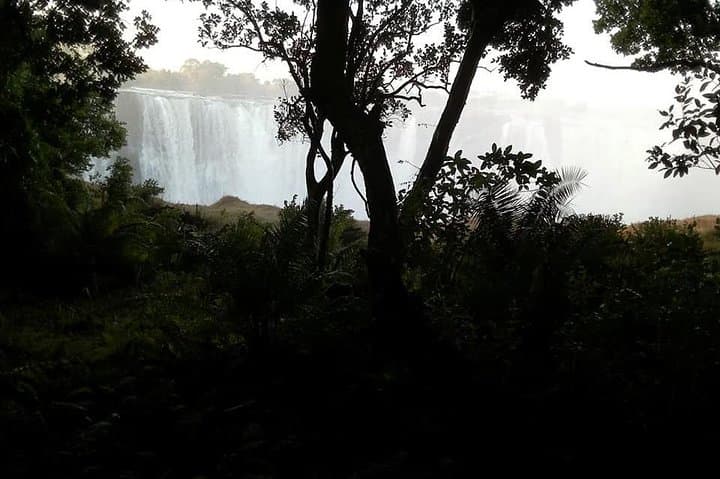
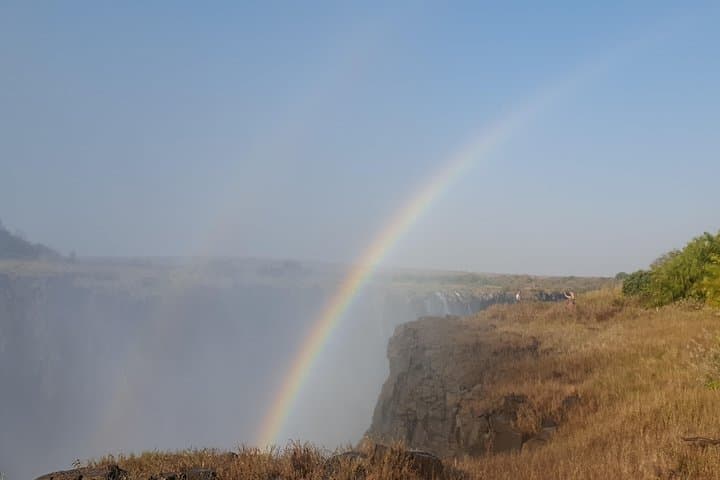
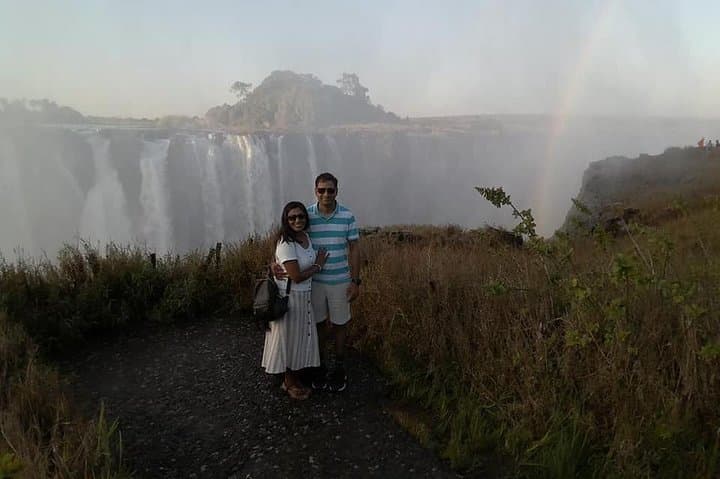
A low mist rises like breath off a giant, and the river dares the cliff’s lip — that’s the first sense visitors get stepping onto the viewing platforms at Victoria Falls. The guided tour places travelers at those edges, where spray and thunder compress geography into a single, focused moment.
A low mist rises like breath off a giant, and the river dares the cliff’s lip — that’s the first sense visitors get stepping onto the viewing platforms at Victoria Falls. The guided tour places travelers at those edges, where spray and thunder compress geography into a single, focused moment.
Geologically the falls mark where the Zambezi cuts basalt plateaus, an uneven seam formed by ancient volcanic flows; the result is a 1.7-kilometre cataract with dramatic chutes and plunge pools. Locally, the Kololo and Lozi peoples long regarded the falls as a place of spiritual power; the town that grew nearby became a gateway for explorers in the 19th century and today supports a small community tied to tourism and riverine life.
On a standard two-hour walk, a trained guide interprets viewpoints, points out fissures, and explains seasonal shifts in flow. The sound is part weather, part geology — months of high water sharpen the roar, low-water months reveal the cataract’s sculpted steps.
Practical essentials: arrive early for the best light and lighter crowds; expect wet spray on downwind platforms and bring a light rain layer and water-resistant footwear. Paths are mostly paved and wheelchair-accessible on the Zimbabwe side, but some viewpoints require uneven steps. Photography is rewarding but conditions change fast: a waterproof cover for gear is advisable.
Tours typically include private transport and basic equipment; travelers should have moderate fitness for brief uphill sections and stairs. Whether visitors come for the raw power in flood season or the carved details when flow drops, the guided tour turns raw scale into stories and safe, informed access.