THE ADVENTURE COLLECTIVE® · Independent discovery and booking for outdoor travel

Explore one island’s blended past on a small-group cultural tour that moves from high tea and poetry to farm hikes and rum tastings. Expect intimate storytelling, tactile traditions and practical insights for a half-day visit.
Explore one island’s blended past on a small-group cultural tour that moves from high tea and poetry to farm hikes and rum tastings. Expect intimate storytelling, tactile traditions and practical insights for a half-day visit.
A salt breeze from both sides of the island traces the tour’s route as small-group travelers step off the van into a neighborhood where French signage meets Dutch shutters. The guide sets the pace—measured, conversational—pointing out sugarcane hedgerows, the stout trunks of silk cotton trees and the wide bay where fishing boats tilt like patient storytellers.
Verified experiences and guided adventures in the surrounding area.
Operated by Seagrape Tours · Philipsburg, Sint Maarten
A salt breeze from both sides of the island traces the tour’s route as small-group travelers step off the van into a neighborhood where French signage meets Dutch shutters. The guide sets the pace—measured, conversational—pointing out sugarcane hedgerows, the stout trunks of silk cotton trees and the wide bay where fishing boats tilt like patient storytellers.
The island’s history is evident in architecture and accents: Indigenous Arawak place names, centuries of colonial trade between Spain, France and the Netherlands, and the resilient Creole culture that stitched those influences into daily life. Geology here is modest—coral underlies many beaches while volcanic rock shapes the steeper interior—but it’s the human landscape that dominates: farms, distilleries and homes that preserve recipes, remedies and song.
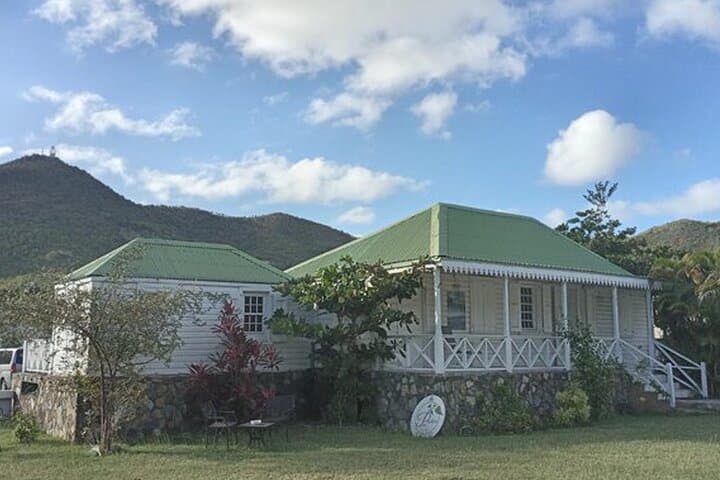
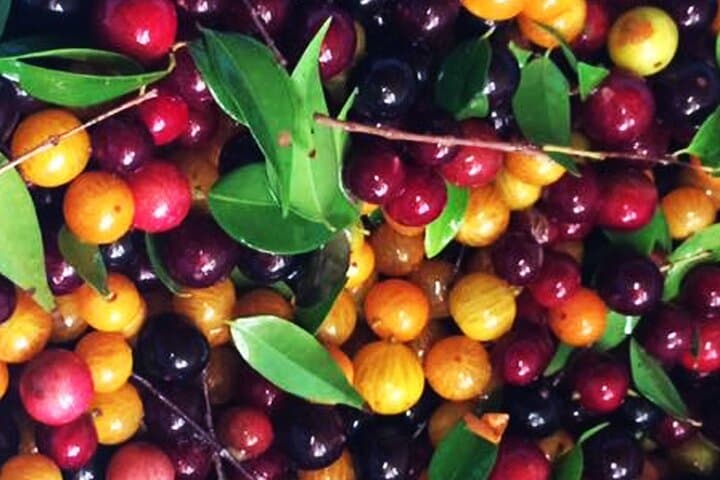
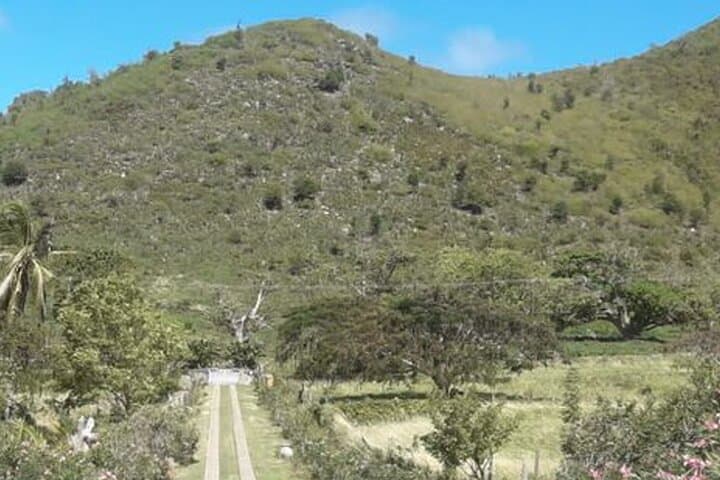
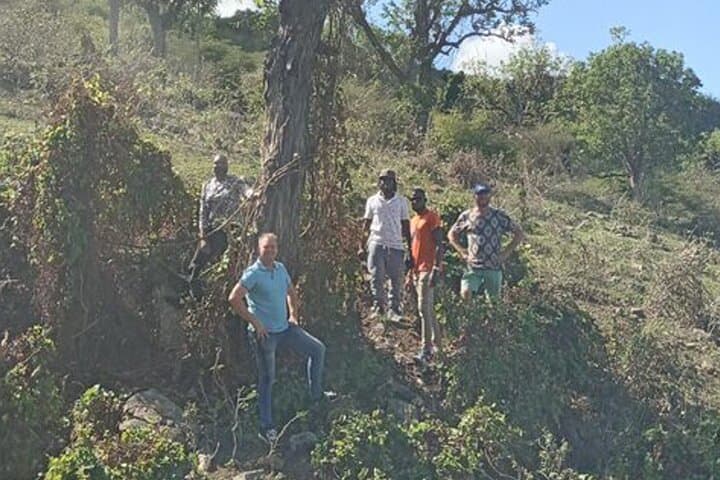
Cultural stops mix taste and tale: a high tea that showcases local ingredients, storytelling and poetry at a small gallery, a guided walk through Golden Grove Farm to learn traditional uses of native plants, and a visit to a small distillery for a Guavaberry rum tasting. These experiences emphasize living heritage—skills, music and food passed down rather than locked in glass.
Practical guidance: this is a half-day, low-impact outing across uneven paths and village streets—comfortable shoes and sun protection are essential. Expect frequent stops and short walks of 15–45 minutes at each site. Bring a reusable bottle; the tour provides water, but sites encourage minimal waste. Timing matters: mornings are cooler and markets are livelier; afternoons suit relaxed tastings. The tour suits travelers who want context as much as views—local voices lead the way.
easy.
5–6 hours.
Suitable for all fitness levels; involves multiple short walks and standing during tastings and presentations.
The tour lasts about 5.5 hours (half day); check the operator for specific start times—mornings are common for cooler conditions and market visits.
Yes—this is rated easy and suitable for all fitness levels; it includes short, low-elevation walks and seated tastings but ask about mobility needs when booking.
The itinerary includes home-made snacks, iced lemongrass tea, bottled water and a rum tasting; confirm dietary needs with the operator ahead of time.
Yes, the route highlights cultural sites across the island’s shared heritage—expect visits and stories that reference both sides.
St. Martin/St. Maarten’s culture reflects Arawak roots and centuries of European colonial trade, producing a bilingual, Creole-rich identity that informs food, music and community rituals.
Local initiatives focus on protecting coastal reefs and limiting single-use plastics; visitors are encouraged to support small businesses and respect wildlife habitats.
Seagrape Tours operates guided outdoor trips and adventures with an emphasis on safety, stewardship, and memorable experiences.
A salt breeze from both sides of the island traces the tour’s route as small-group travelers step off the van into a neighborhood where French signage meets Dutch shutters. The guide sets the pace—measured, conversational—pointing out sugarcane hedgerows, the stout trunks of silk cotton trees and the wide bay where fishing boats tilt like patient storytellers.
A salt breeze from both sides of the island traces the tour’s route as small-group travelers step off the van into a neighborhood where French signage meets Dutch shutters. The guide sets the pace—measured, conversational—pointing out sugarcane hedgerows, the stout trunks of silk cotton trees and the wide bay where fishing boats tilt like patient storytellers.
The island’s history is evident in architecture and accents: Indigenous Arawak place names, centuries of colonial trade between Spain, France and the Netherlands, and the resilient Creole culture that stitched those influences into daily life. Geology here is modest—coral underlies many beaches while volcanic rock shapes the steeper interior—but it’s the human landscape that dominates: farms, distilleries and homes that preserve recipes, remedies and song.
Cultural stops mix taste and tale: a high tea that showcases local ingredients, storytelling and poetry at a small gallery, a guided walk through Golden Grove Farm to learn traditional uses of native plants, and a visit to a small distillery for a Guavaberry rum tasting. These experiences emphasize living heritage—skills, music and food passed down rather than locked in glass.
Practical guidance: this is a half-day, low-impact outing across uneven paths and village streets—comfortable shoes and sun protection are essential. Expect frequent stops and short walks of 15–45 minutes at each site. Bring a reusable bottle; the tour provides water, but sites encourage minimal waste. Timing matters: mornings are cooler and markets are livelier; afternoons suit relaxed tastings. The tour suits travelers who want context as much as views—local voices lead the way.