THE ADVENTURE COLLECTIVE® · Independent discovery and booking for outdoor travel

Skip long road transfers and arrive by sea: this 45-minute private speedboat crosses from Hewanorra to resorts near Rodney Bay, delivering coastal views, quick access to snorkeling and a practical, local-led welcome. Read on for what to expect and how to prepare.
Skip long road transfers and arrive by sea: this 45-minute private speedboat crosses from Hewanorra to resorts near Rodney Bay, delivering coastal views, quick access to snorkeling and a practical, local-led welcome. Read on for what to expect and how to prepare.
The engine’s steady pulse and a warm trade-wind breath mark the first minutes after landing in St. Lucia. A short taxi from Hewanorra delivers you to a low-key dock; the boat rocks gently, teak underfoot, as crew stow luggage and point out the northern coastline. In under an hour the shoreline opens—sandy bays give way to volcanic ridges, and the island’s green heart rises toward the Pitons like folded geologic memory.
Verified experiences and guided adventures in the surrounding area.
Operated by By Sea Transfers & Tours · Vieux Fort, Vieux Fort District
The engine’s steady pulse and a warm trade-wind breath mark the first minutes after landing in St. Lucia. A short taxi from Hewanorra delivers you to a low-key dock; the boat rocks gently, teak underfoot, as crew stow luggage and point out the northern coastline. In under an hour the shoreline opens—sandy bays give way to volcanic ridges, and the island’s green heart rises toward the Pitons like folded geologic memory.
This route threads modern hospitality and deep natural history. St. Lucia’s geology is volcanic: dramatic lava domes and fumaroles sculpted the western coast and created the Sulphur Springs near Soufrière, sites tied to indigenous Arawak use and later colonial industries. Local crews often share practical lore—where currents slacken for snorkeling and which reefs are healthiest after survey efforts.
Practical guidance sits close to the surface. The transfer is short but marine conditions vary; luggage is handled by the crew and space is limited to marina-friendly bags. Expect a three-minute taxi to the dock from the airport, then a 45-minute crossing to resorts near Rodney Bay and Gros Islet. Bring seasickness prevention if you’re prone, a lightweight sun layer, and a dry bag for electronics. Timing matters: morning crossings are calmer and give you daylight arrivals, while late-afternoon trips can face more swell.
The trip delivers more than speed—it’s a transition from runway to reef, from arrival logistics to shoreline exploration, with local crews and clear water that invite a quick snorkel or a relaxed transfer to your resort’s dock.
easy.
45–60 minutes.
Minimal fitness required—ability to board small boat and handle short taxi transfer.
The boat crossing itself is approximately 45 minutes; expect an additional three-minute taxi from the airport to the dock and time for boarding.
Space on the speedboat is limited—soft-sided bags or duffels are recommended; crews will assist with luggage but large hard cases may be difficult to stow.
Operators cancel or reschedule in poor weather; if seas are unsafe the company typically offers refunds or alternative arrangements per their policy.
Basic bottled water and some beverages are often provided; restrooms may not be available on small speedboats, so plan accordingly.
St. Lucia’s coastline records volcanic activity and colonial encounters; the Pitons are volcanic plugs shaped by eruptions and island settlement history.
Operators encouraged responsible snorkeling and reef-friendly sunscreen to protect fragile coral; avoid anchoring on reefs and follow crew guidance to minimize disturbance.
By Sea Transfers & Tours operates guided outdoor trips and adventures with an emphasis on safety, stewardship, and memorable experiences.
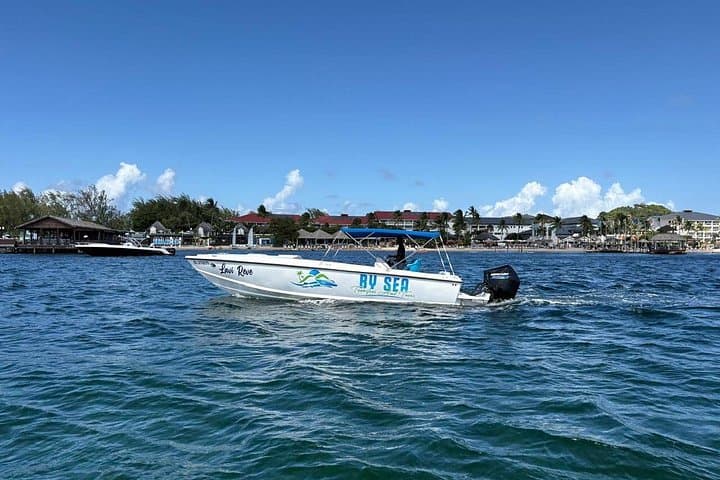
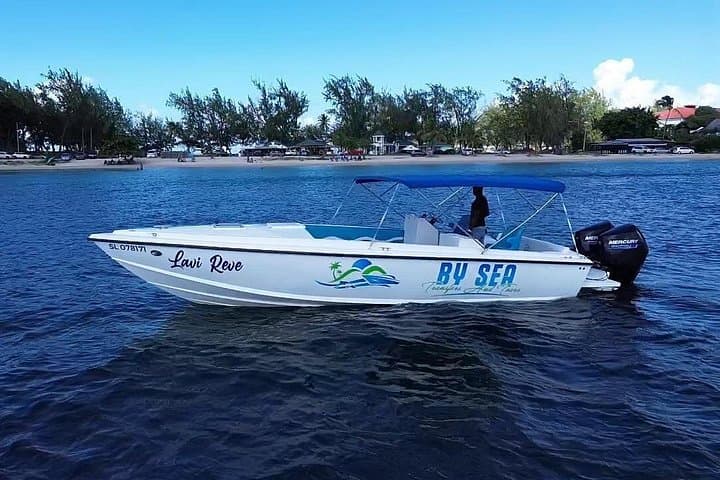
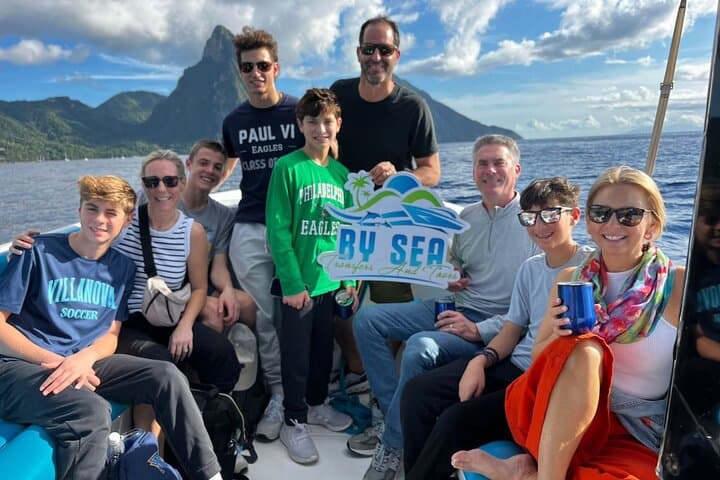
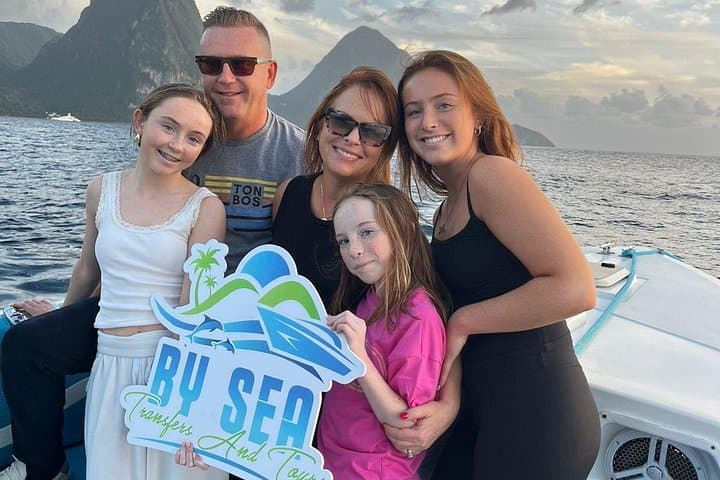
The engine’s steady pulse and a warm trade-wind breath mark the first minutes after landing in St. Lucia. A short taxi from Hewanorra delivers you to a low-key dock; the boat rocks gently, teak underfoot, as crew stow luggage and point out the northern coastline. In under an hour the shoreline opens—sandy bays give way to volcanic ridges, and the island’s green heart rises toward the Pitons like folded geologic memory.
The engine’s steady pulse and a warm trade-wind breath mark the first minutes after landing in St. Lucia. A short taxi from Hewanorra delivers you to a low-key dock; the boat rocks gently, teak underfoot, as crew stow luggage and point out the northern coastline. In under an hour the shoreline opens—sandy bays give way to volcanic ridges, and the island’s green heart rises toward the Pitons like folded geologic memory.
This route threads modern hospitality and deep natural history. St. Lucia’s geology is volcanic: dramatic lava domes and fumaroles sculpted the western coast and created the Sulphur Springs near Soufrière, sites tied to indigenous Arawak use and later colonial industries. Local crews often share practical lore—where currents slacken for snorkeling and which reefs are healthiest after survey efforts.
Practical guidance sits close to the surface. The transfer is short but marine conditions vary; luggage is handled by the crew and space is limited to marina-friendly bags. Expect a three-minute taxi to the dock from the airport, then a 45-minute crossing to resorts near Rodney Bay and Gros Islet. Bring seasickness prevention if you’re prone, a lightweight sun layer, and a dry bag for electronics. Timing matters: morning crossings are calmer and give you daylight arrivals, while late-afternoon trips can face more swell.
The trip delivers more than speed—it’s a transition from runway to reef, from arrival logistics to shoreline exploration, with local crews and clear water that invite a quick snorkel or a relaxed transfer to your resort’s dock.