THE ADVENTURE COLLECTIVE® · Independent discovery and booking for outdoor travel

Board a 15-seat vessel for a two-hour estuary cruise in iSimangaliso and watch hippos, Nile crocodiles and hundreds of bird species up close. This accessible wildlife boat safari delivers close encounters and local natural history commentary.
Board a 15-seat vessel for a two-hour estuary cruise in iSimangaliso and watch hippos, Nile crocodiles and hundreds of bird species up close. This accessible wildlife boat safari delivers close encounters and local natural history commentary.
The boat slips away from St Lucia’s wooden jetty and the estuary opens like a slow-moving stage: reeds edge the channel, mudbanks warm in the sun, and the water keeps its own steady rhythm. On a two-hour Shoreline cruise, skippers ease the 15-seat vessel close to the banks so visitors can watch hippos surface in groggy pods and Nile crocodiles line the shallows, the animals performing their quiet, ancient business while thousands of birds rotate overhead.
Verified experiences and guided adventures in the surrounding area.
Operated by Shoreline Hippo and Croc Boat Cruises | St Lucia · St Lucia, KwaZulu-Natal
The boat slips away from St Lucia’s wooden jetty and the estuary opens like a slow-moving stage: reeds edge the channel, mudbanks warm in the sun, and the water keeps its own steady rhythm. On a two-hour Shoreline cruise, skippers ease the 15-seat vessel close to the banks so visitors can watch hippos surface in groggy pods and Nile crocodiles line the shallows, the animals performing their quiet, ancient business while thousands of birds rotate overhead.
Lake St Lucia is Africa’s largest estuarine system and part of the iSimangaliso Wetland Park, a UNESCO-listed landscape shaped by coastal dunes, tidal flows and seasonal floods. The region’s Zulu culture and early colonial histories intersect at the water’s edge: traditional fishing techniques still followed nearby and 19th-century traders once threaded these channels. Geologically, the estuary is the product of long-term sediment movement and intermittent openings to the sea, which makes wildlife patterns highly responsive to tides and seasons.
Practically, the cruise is accessible and family-friendly: the vessels carry up to 15 passengers and run morning and late-afternoon departures when animals are most active. Bring binoculars, sunscreen and a light wind jacket; expect close photographic opportunities but also sudden sprays of water and glare. Wear non-slip shoes for boarding, secure hats, and be prepared for bumpy water in windy conditions. Guides narrate natural history as you travel, so listen for identification tips and leave space for quiet observation — the estuary rewards patience.
easy.
2 hours.
Minimal fitness required; accessible for most visitors able to board a low-deck boat
The Shoreline Hippo & Croc cruise is a two-hour scenic boat trip along the St Lucia Estuary.
Yes—infants and small children can ride in a pram or stroller and the cruise is suitable for all fitness levels.
The estuary hosts large populations of hippos and Nile crocodiles year-round, but sightings depend on tide, season and animal movements—guides maximize chances but wildlife sightings cannot be guaranteed.
The operator notes stroller accessibility for infants and small children; boarding assistance may be available but check in advance for full wheelchair access details.
The St Lucia Estuary has long supported local Zulu fishing communities and later became central to colonial-era trade; the area is now protected as part of the iSimangaliso Wetland Park.
Visit with respect—stay on the boat, avoid feeding wildlife, and support local guides; the estuary’s ecology is sensitive to pollution, boat wakes and human disturbance.
Shoreline Hippo and Croc Boat Cruises | St Lucia operates guided outdoor trips and adventures with an emphasis on safety, stewardship, and memorable experiences.
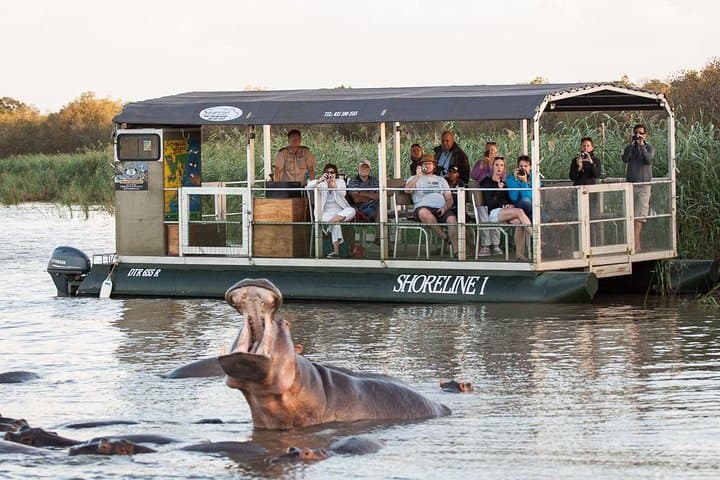
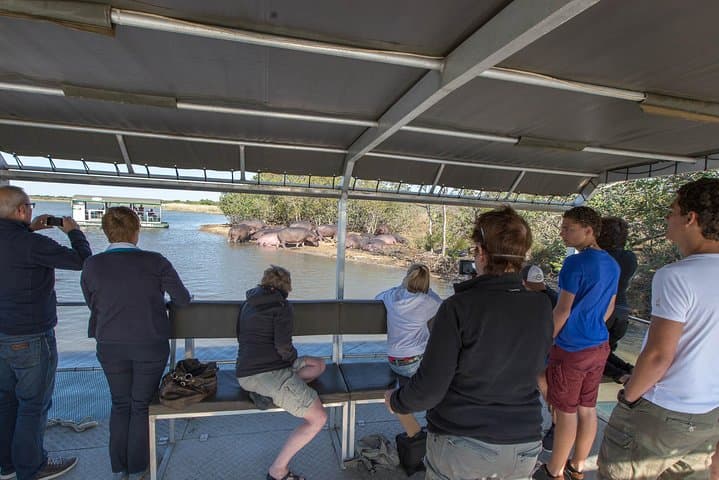
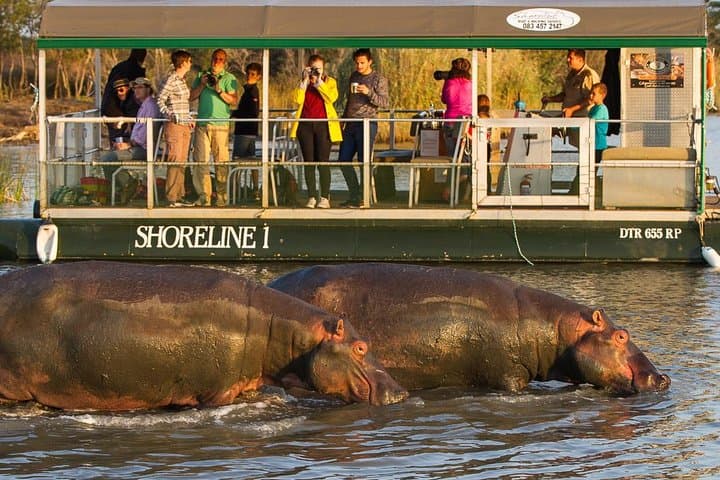
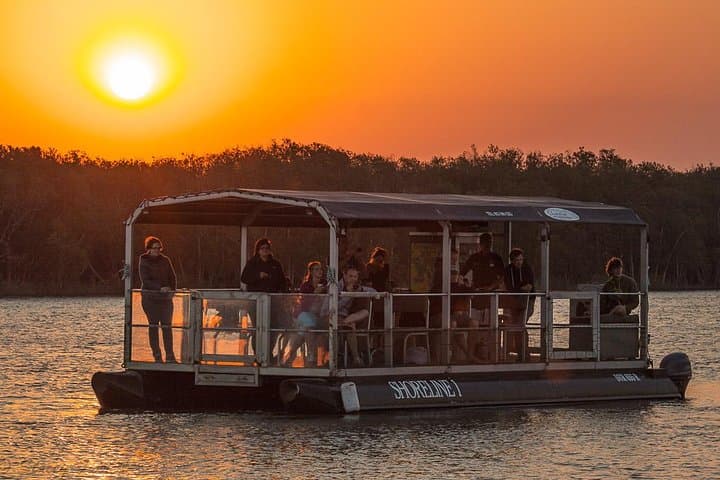
The boat slips away from St Lucia’s wooden jetty and the estuary opens like a slow-moving stage: reeds edge the channel, mudbanks warm in the sun, and the water keeps its own steady rhythm. On a two-hour Shoreline cruise, skippers ease the 15-seat vessel close to the banks so visitors can watch hippos surface in groggy pods and Nile crocodiles line the shallows, the animals performing their quiet, ancient business while thousands of birds rotate overhead.
The boat slips away from St Lucia’s wooden jetty and the estuary opens like a slow-moving stage: reeds edge the channel, mudbanks warm in the sun, and the water keeps its own steady rhythm. On a two-hour Shoreline cruise, skippers ease the 15-seat vessel close to the banks so visitors can watch hippos surface in groggy pods and Nile crocodiles line the shallows, the animals performing their quiet, ancient business while thousands of birds rotate overhead.
Lake St Lucia is Africa’s largest estuarine system and part of the iSimangaliso Wetland Park, a UNESCO-listed landscape shaped by coastal dunes, tidal flows and seasonal floods. The region’s Zulu culture and early colonial histories intersect at the water’s edge: traditional fishing techniques still followed nearby and 19th-century traders once threaded these channels. Geologically, the estuary is the product of long-term sediment movement and intermittent openings to the sea, which makes wildlife patterns highly responsive to tides and seasons.
Practically, the cruise is accessible and family-friendly: the vessels carry up to 15 passengers and run morning and late-afternoon departures when animals are most active. Bring binoculars, sunscreen and a light wind jacket; expect close photographic opportunities but also sudden sprays of water and glare. Wear non-slip shoes for boarding, secure hats, and be prepared for bumpy water in windy conditions. Guides narrate natural history as you travel, so listen for identification tips and leave space for quiet observation — the estuary rewards patience.