THE ADVENTURE COLLECTIVE® · Independent discovery and booking for outdoor travel

Leave Basseterre for an easy half-day that combines a walk through a 16th-century sugar plantation, a visit to Caribelle Batik, a photo stop at Timothy Hill where two seas meet, and unstructured time at a nearby beach. A good choice for cruisers and short-stay visitors wanting history, culture, and sand.
Leave Basseterre for an easy half-day that combines a walk through a 16th-century sugar plantation, a visit to Caribelle Batik, a photo stop at Timothy Hill where two seas meet, and unstructured time at a nearby beach. A good choice for cruisers and short-stay visitors wanting history, culture, and sand.
A warm breeze lifts salt and sugar-sweet dust as the open-air safari truck threads out of Basseterre toward the island’s quieter interior. Travelers feel the island’s two oceans: the Atlantic pushing on one side, the Caribbean holding the other, and Timothy Hill offers the clearest place to watch them argue. The day moves at a relaxed pace—short walks through a 16th-century sugar plantation, a guided stop at the Caribelle Batik studio, then downhill to a sun-friendly beach where time becomes optional.
Verified experiences and guided adventures in the surrounding area.
Operated by Beach Ram Tours/ A Taste of St. Kitts · Basseterre, Saint Kitts
A warm breeze lifts salt and sugar-sweet dust as the open-air safari truck threads out of Basseterre toward the island’s quieter interior. Travelers feel the island’s two oceans: the Atlantic pushing on one side, the Caribbean holding the other, and Timothy Hill offers the clearest place to watch them argue. The day moves at a relaxed pace—short walks through a 16th-century sugar plantation, a guided stop at the Caribelle Batik studio, then downhill to a sun-friendly beach where time becomes optional.
St Kitts is a volcanic ridge—steep ravines and volcanic rock underlie the fields where sugar shaped the economy from the 1600s. Plantation ruins and restored millworks echo the colonial era and the labor that built the island’s landscape; guides typically weave those human stories into their route. Caribelle Batik adds a cultural counterpoint: a living craft that blends local motifs with a modern gift-shop pause (small admission applies).
Practically, the tour is a 3.5-hour loop with hotel and port pickup and drop-off, private groups of 4–7, and mostly easy walking on compacted paths and sand. Bring reef-safe sunscreen, a hat, and shoes you can walk in; the open vehicle means sun and wind are constant companions. Expect brief, informative stops—about 30 minutes at the plantation and a short photo pause at Timothy Hill—followed by free time on the beach. The itinerary suits travelers who want shoreline relaxation plus a concise dose of St Kitts’ history and views without a long hike.
easy.
3–4 hours.
Suitable for most fitness levels; involves short, mostly flat walks and time on the beach.
The tour lasts about 3.5 hours and includes hotel and port pickup and drop-off—confirm your exact pickup time with the local provider.
No, the Batik factory has a separate entrance fee (about $3) and you’ll have roughly 30 minutes there.
Yes; infants can ride in strollers and on laps, but note the vehicle is open-air and space is limited to 4–7 guests per booking.
The tour is labeled physically easy but is not recommended for people with serious spinal or cardiovascular problems due to vehicle movement and short walks.
The plantation stop traces the island’s sugar economy from the 1600s; remnants of mills and estates reflect colonial-era agriculture and the labor systems that shaped St Kitts.
Respect reef and shoreline habitats—use reef-safe sunscreen, avoid touching coral, and support local crafts like Caribelle Batik to sustain cultural conservation.
Beach Ram Tours/ A Taste of St. Kitts operates guided outdoor trips and adventures with an emphasis on safety, stewardship, and memorable experiences.
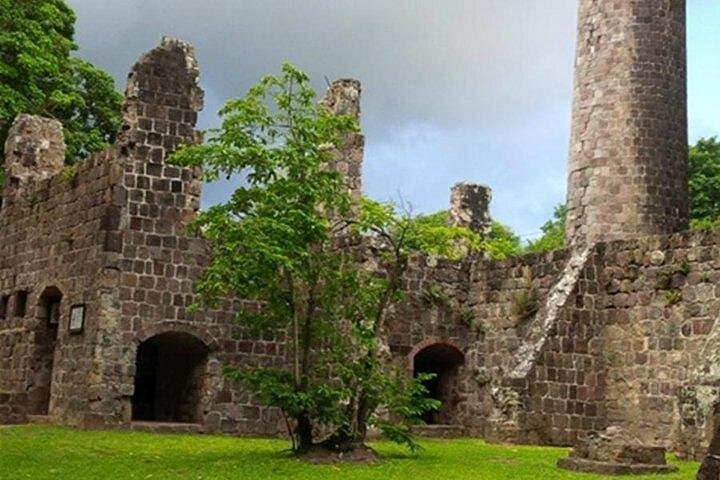
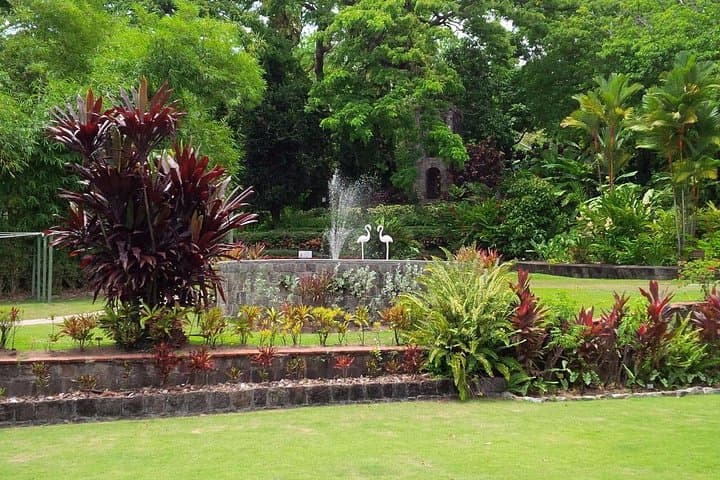

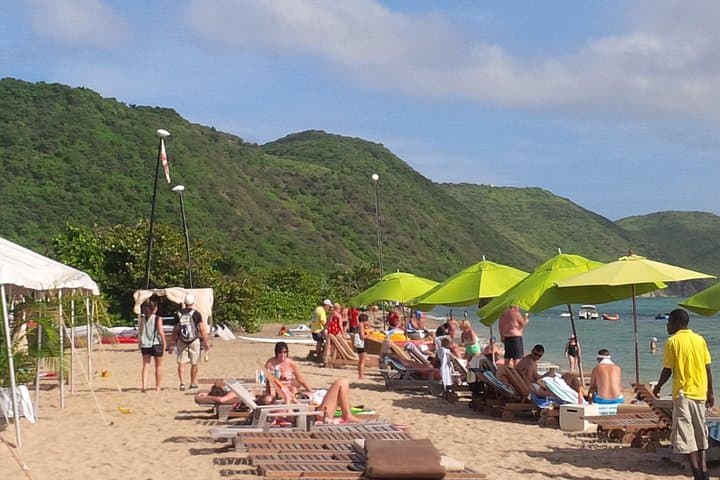
A warm breeze lifts salt and sugar-sweet dust as the open-air safari truck threads out of Basseterre toward the island’s quieter interior. Travelers feel the island’s two oceans: the Atlantic pushing on one side, the Caribbean holding the other, and Timothy Hill offers the clearest place to watch them argue. The day moves at a relaxed pace—short walks through a 16th-century sugar plantation, a guided stop at the Caribelle Batik studio, then downhill to a sun-friendly beach where time becomes optional.
A warm breeze lifts salt and sugar-sweet dust as the open-air safari truck threads out of Basseterre toward the island’s quieter interior. Travelers feel the island’s two oceans: the Atlantic pushing on one side, the Caribbean holding the other, and Timothy Hill offers the clearest place to watch them argue. The day moves at a relaxed pace—short walks through a 16th-century sugar plantation, a guided stop at the Caribelle Batik studio, then downhill to a sun-friendly beach where time becomes optional.
St Kitts is a volcanic ridge—steep ravines and volcanic rock underlie the fields where sugar shaped the economy from the 1600s. Plantation ruins and restored millworks echo the colonial era and the labor that built the island’s landscape; guides typically weave those human stories into their route. Caribelle Batik adds a cultural counterpoint: a living craft that blends local motifs with a modern gift-shop pause (small admission applies).
Practically, the tour is a 3.5-hour loop with hotel and port pickup and drop-off, private groups of 4–7, and mostly easy walking on compacted paths and sand. Bring reef-safe sunscreen, a hat, and shoes you can walk in; the open vehicle means sun and wind are constant companions. Expect brief, informative stops—about 30 minutes at the plantation and a short photo pause at Timothy Hill—followed by free time on the beach. The itinerary suits travelers who want shoreline relaxation plus a concise dose of St Kitts’ history and views without a long hike.