THE ADVENTURE COLLECTIVE® · Independent discovery and booking for outdoor travel

Learn to stand, paddle and read Port Phillip’s gentle swells in a 90‑minute group lesson at St Kilda. This beginner-friendly SUP session pairs short instruction with guided paddling along Melbourne’s iconic bay.
Learn to stand, paddle and read Port Phillip’s gentle swells in a 90‑minute group lesson at St Kilda. This beginner-friendly SUP session pairs short instruction with guided paddling along Melbourne’s iconic bay.
The city hum fades as you push off from St Kilda’s sand and the bay opens—gentle chop, a skyline in the distance, and the pier slicing the horizon. A group of learners spreads out on foam boards; instructors call short, clear cues and demonstrate how to stand, turn and brace. Within minutes the water demands attention and balance; it rewards steadiness with a steady glide.
Verified experiences and guided adventures in the surrounding area.
Operated by Stand Up Paddle HQ · St Kilda, Victoria
The city hum fades as you push off from St Kilda’s sand and the bay opens—gentle chop, a skyline in the distance, and the pier slicing the horizon. A group of learners spreads out on foam boards; instructors call short, clear cues and demonstrate how to stand, turn and brace. Within minutes the water demands attention and balance; it rewards steadiness with a steady glide.
St Kilda has been Melbourne’s seaside escape since the 19th century, when bathing pavilions and the pier drew weekend crowds. Geologically, Port Phillip Bay is a shallow, sediment-rich embayment carved after the last ice age; winds funnel across it, shaping small, wind-driven swells that make the area ideal for beginner SUP. Local culture mixes beachside cafés, live music venues and sunset strolls along the pier—SUP fit neatly into that rhythms, offering a water-level view of city life and wildlife.
Practical guidance: expect a 90-minute session—about 30 minutes of instruction and 60 minutes of guided/free paddling. Lessons typically start from the sandy shoreline near St Kilda Pier or the western stretch beside Catani Gardens where water is calmer. Wear swimwear and a quick-dry top; a wetsuit is provided in cooler months. Bring a towel, water bottle and sunscreen. Beginners should be comfortable getting wet and able to swim; instructors fit boards, paddles and leg leashes and monitor wind and boat traffic.
Classes run year-round but conditions change: calmer mornings are best for first-timers, afternoons offer more breeze for practice. Respect marked swim zones, give wildlife space—especially around the pier where little penguins roost—and listen to your instructor: the sea is patient but direct.
easy.
1.5 hours.
Suitable for most fitness levels; basic balance and ability to swim are recommended.
No—this lesson is designed for beginners; instructors teach stance, paddling and safety during the 30‑minute instruction block.
Bring swimwear, a towel, water bottle and sun protection; parking coins if you plan to park on Pier Road.
Yes—organizers provide necessary equipment, including wetsuits and personal flotation devices when required.
Bookings are final with no refunds available; check weather and personal fitness before booking.
St Kilda grew as a Victorian-era seaside resort; the pier and nearby bathing boxes recall its 19th-century leisure culture.
The St Kilda shore supports sensitive wildlife like the little penguin; keep distance, avoid loud noise near roosts and take all rubbish with you.
Stand Up Paddle HQ operates guided outdoor trips and adventures with an emphasis on safety, stewardship, and memorable experiences.
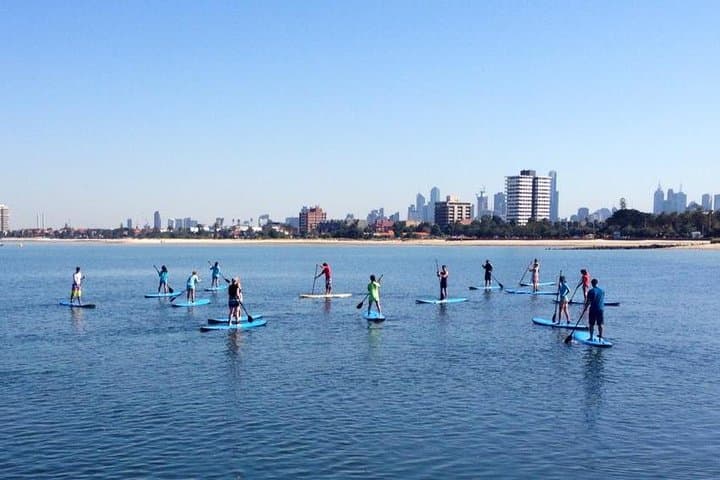
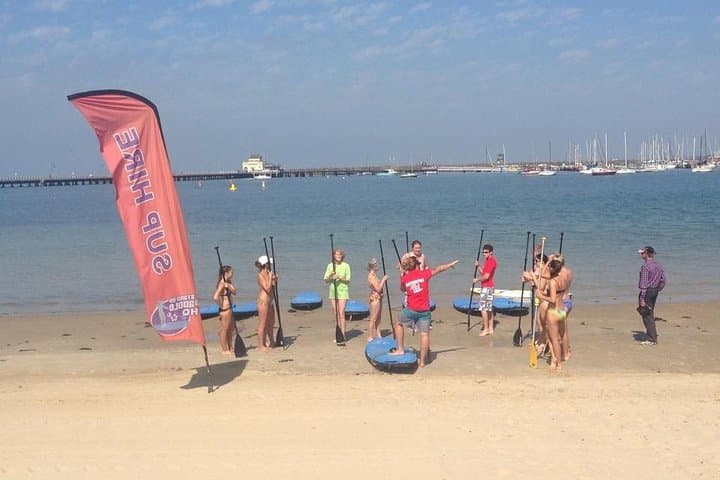
The city hum fades as you push off from St Kilda’s sand and the bay opens—gentle chop, a skyline in the distance, and the pier slicing the horizon. A group of learners spreads out on foam boards; instructors call short, clear cues and demonstrate how to stand, turn and brace. Within minutes the water demands attention and balance; it rewards steadiness with a steady glide.
The city hum fades as you push off from St Kilda’s sand and the bay opens—gentle chop, a skyline in the distance, and the pier slicing the horizon. A group of learners spreads out on foam boards; instructors call short, clear cues and demonstrate how to stand, turn and brace. Within minutes the water demands attention and balance; it rewards steadiness with a steady glide.
St Kilda has been Melbourne’s seaside escape since the 19th century, when bathing pavilions and the pier drew weekend crowds. Geologically, Port Phillip Bay is a shallow, sediment-rich embayment carved after the last ice age; winds funnel across it, shaping small, wind-driven swells that make the area ideal for beginner SUP. Local culture mixes beachside cafés, live music venues and sunset strolls along the pier—SUP fit neatly into that rhythms, offering a water-level view of city life and wildlife.
Practical guidance: expect a 90-minute session—about 30 minutes of instruction and 60 minutes of guided/free paddling. Lessons typically start from the sandy shoreline near St Kilda Pier or the western stretch beside Catani Gardens where water is calmer. Wear swimwear and a quick-dry top; a wetsuit is provided in cooler months. Bring a towel, water bottle and sunscreen. Beginners should be comfortable getting wet and able to swim; instructors fit boards, paddles and leg leashes and monitor wind and boat traffic.
Classes run year-round but conditions change: calmer mornings are best for first-timers, afternoons offer more breeze for practice. Respect marked swim zones, give wildlife space—especially around the pier where little penguins roost—and listen to your instructor: the sea is patient but direct.