THE ADVENTURE COLLECTIVE® · Independent discovery and booking for outdoor travel

Learn kiteboarding at St. Joris Bay, Curaçao’s mainland A‑spot, in a focused two‑hour private session. Expect hands‑on instruction, radio communication, and progression from kite handling to assisted board starts in shallow, learner‑friendly water.
Learn kiteboarding at St. Joris Bay, Curaçao’s mainland A‑spot, in a focused two‑hour private session. Expect hands‑on instruction, radio communication, and progression from kite handling to assisted board starts in shallow, learner‑friendly water.
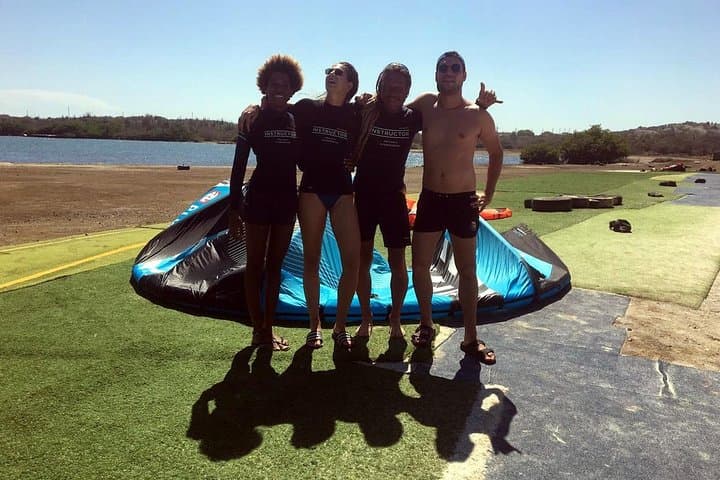
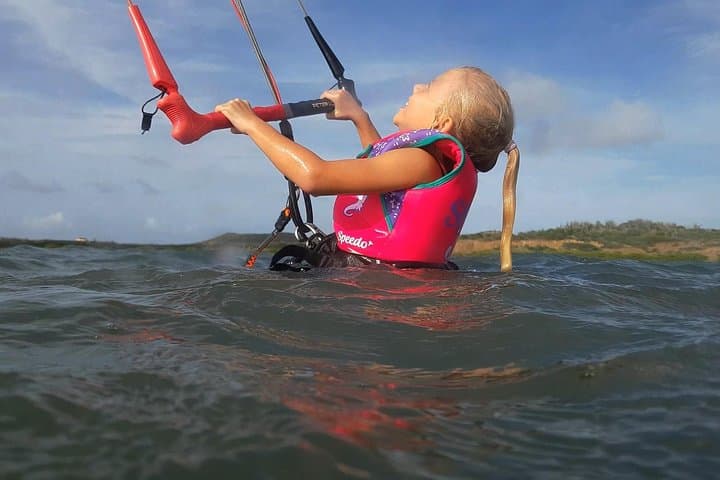
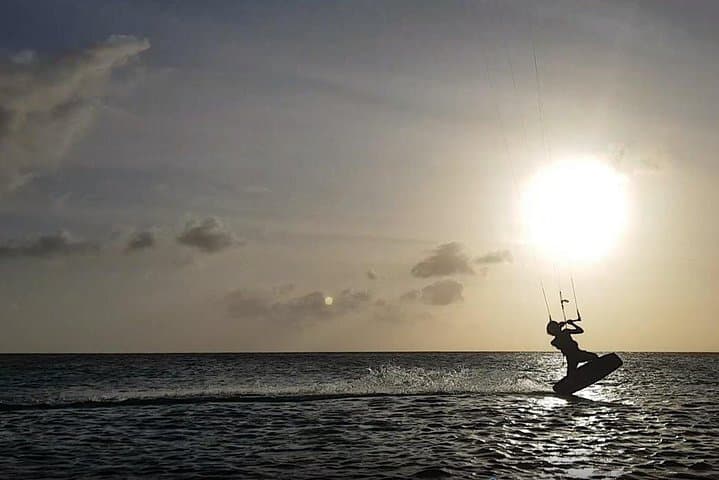
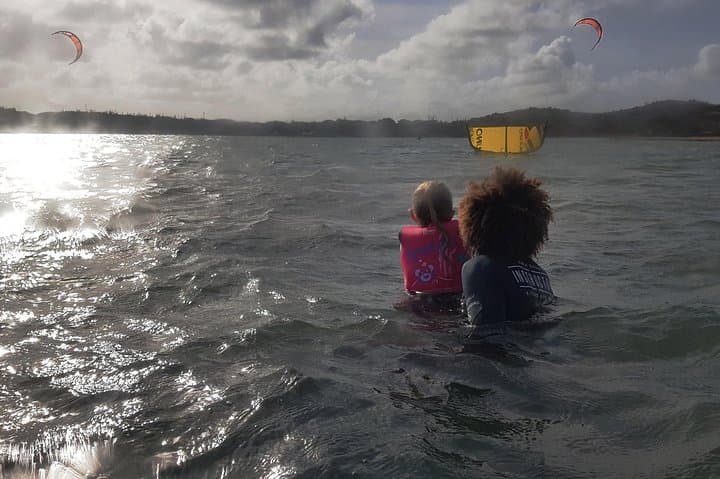
Wind tugs at the edge of your rash guard as the bay opens up: shallow, glassy water giving way to a deeper chop where lines run free. At St. Joris Bay — known locally as the A‑spot on Curaçao’s mainland — instructors set students up on the sand, run through radio check-ins, and let the trade winds do the teaching.
Verified experiences and guided adventures in the surrounding area.
Operated by Awa Salu Kiteboarding Curacao · Willemstad, Curaçao
Wind tugs at the edge of your rash guard as the bay opens up: shallow, glassy water giving way to a deeper chop where lines run free. At St. Joris Bay — known locally as the A‑spot on Curaçao’s mainland — instructors set students up on the sand, run through radio check-ins, and let the trade winds do the teaching.
Curaçao’s coastline is built on limestone and ancient coral, so the water shifts from waist‑deep platforms to clear channels that allow learners to practice body dragging, water relaunch and short glides. The island’s Dutch colonial history and fishing villages still mark the shoreline; local kite culture grew around those sheltered coves, where reef edges and steady easterly winds create predictable learning windows.
Practical guidance anchors the lesson. This two‑hour private session focuses on kite control, safe launches and landings, and progressing to board starts when ready. Gear — including current‑year kites, intercom radios, rash guards and water shoes — is provided; students must be comfortable in the water and able to swim. Mornings generally offer flatter water and fewer boats; afternoons can bring more breeze and chop.
Expect hands‑on coaching, radio cues from the instructor, and a steady progression: kite handling on land, body dragging, then assisted attempts on the board. Hydrate, apply reef‑safe sunscreen, and wear snug swimwear and water shoes. If you have spinal, heart, or pregnancy concerns, or cannot swim, this lesson is not recommended. For novice to intermediate riders, the A‑spot is a practical, high‑value way to learn kiteboarding with local expertise and reliable winds.
moderate.
2 hours.
Moderate fitness and comfort swimming in open water; ability to swim and manage short swims in gear is required.
No — the two‑hour private lesson is designed for beginners through intermediate students, starting with kite control and progressing as skills allow.
Current‑year kite gear, rash guards and water shoes are provided; bring swimwear, a towel and reef‑safe sunscreen.
Participants should be in moderate physical condition, able to swim, and not have spinal, serious heart conditions, or be pregnant; check with the operator for age limits.
Lessons may be canceled or rescheduled for a full refund if conditions are unsafe; the operator follows local wind and sea assessments.
St. Joris Bay sits on Curaçao’s coral and limestone platform; coastal inlets historically supported small fishing settlements and later recreational sailing and kiting.
Respect reef zones and use reef‑safe sunscreen; local operators often brief students on no‑go areas to protect fragile coral and seagrass.
Awa Salu Kiteboarding Curacao operates guided outdoor trips and adventures with an emphasis on safety, stewardship, and memorable experiences.
Wind tugs at the edge of your rash guard as the bay opens up: shallow, glassy water giving way to a deeper chop where lines run free. At St. Joris Bay — known locally as the A‑spot on Curaçao’s mainland — instructors set students up on the sand, run through radio check-ins, and let the trade winds do the teaching.
Wind tugs at the edge of your rash guard as the bay opens up: shallow, glassy water giving way to a deeper chop where lines run free. At St. Joris Bay — known locally as the A‑spot on Curaçao’s mainland — instructors set students up on the sand, run through radio check-ins, and let the trade winds do the teaching.
Curaçao’s coastline is built on limestone and ancient coral, so the water shifts from waist‑deep platforms to clear channels that allow learners to practice body dragging, water relaunch and short glides. The island’s Dutch colonial history and fishing villages still mark the shoreline; local kite culture grew around those sheltered coves, where reef edges and steady easterly winds create predictable learning windows.
Practical guidance anchors the lesson. This two‑hour private session focuses on kite control, safe launches and landings, and progressing to board starts when ready. Gear — including current‑year kites, intercom radios, rash guards and water shoes — is provided; students must be comfortable in the water and able to swim. Mornings generally offer flatter water and fewer boats; afternoons can bring more breeze and chop.
Expect hands‑on coaching, radio cues from the instructor, and a steady progression: kite handling on land, body dragging, then assisted attempts on the board. Hydrate, apply reef‑safe sunscreen, and wear snug swimwear and water shoes. If you have spinal, heart, or pregnancy concerns, or cannot swim, this lesson is not recommended. For novice to intermediate riders, the A‑spot is a practical, high‑value way to learn kiteboarding with local expertise and reliable winds.