THE ADVENTURE COLLECTIVE® · Independent discovery and booking for outdoor travel

Walk St Davids from cathedral square to cliff-top chapels and Porthclais harbour on a 1–2 hour guided route that blends medieval history with raw coastal scenery. Expect uneven stone paths, sweeping sea views, and local stories from experienced guides.
Walk St Davids from cathedral square to cliff-top chapels and Porthclais harbour on a 1–2 hour guided route that blends medieval history with raw coastal scenery. Expect uneven stone paths, sweeping sea views, and local stories from experienced guides.
A thin breeze off St Brides Bay carries salt and seabird calls as your guide gathers the group at the War Memorial Garden in Cross Square. Cobbled lanes angle away from the square, past the church bells and through the hush around the cathedral ruins, then open to the cliff-edge where the sea pushes against Pembrokeshire’s folded Ordovician cliffs.
Verified experiences and guided adventures in the surrounding area.
Operated by Walk The Path, St Davids · St Davids, Pembrokeshire
A thin breeze off St Brides Bay carries salt and seabird calls as your guide gathers the group at the War Memorial Garden in Cross Square. Cobbled lanes angle away from the square, past the church bells and through the hush around the cathedral ruins, then open to the cliff-edge where the sea pushes against Pembrokeshire’s folded Ordovician cliffs.
The route threads living history: 6th‑century monastic foundations tied to St David, a 14th‑century Bishop’s Palace that once housed the medieval church’s power, and small chapels like the Chapel of Our Lady and St Non that survive as weathered markers of pilgrimage. Geologically, the coast is raw—storm-cut cliffs and rocky outcrops that reveal ancient sediment and provide nesting ledges for gannets and fulmars.
Culturally the town is compact and practical—artisan galleries, cafés next to boatyards, and a community garden tucked behind cathedral walls that speaks to local stewardship. The walk shifts pace from urban history to coastal exposure: a 20‑minute cliff stroll delivers full views of Skomer and Grassholm islands on clear days, then drops to the sheltered Porthclais harbour, a medieval trading inlet now used by kayakers.
Practical guidance: allow about 1¾ hours, wear sturdy, waterproof footwear and a windproof layer, and expect uneven stone and short steep sections. Keep to marked paths to protect nesting birds and fragile cliff edges; tides and weather can change quickly so check conditions before you go. The tour is compact, interpretive, and best enjoyed with mid‑morning light and a coffee at Porthclais afterwards.
moderate.
1–2 hours.
Moderate fitness; able to walk 3–4 km over uneven terrain with short climbs and steps.
No—this highlight walk passes both and provides historical context; detailed interior tours require extra time and separate admission.
Generally yes for moderately fit children and older adults who can handle uneven ground and short climbs; notify guides of mobility concerns before booking.
Meet at the War Memorial Garden in Cross Square, St Davids; the route returns to the same area via Porthclais and a country lane loop.
The operator may cancel for bad weather or low bookings; cancel at least 24 hours for a full refund per the booking terms.
St Davids grew from a 6th‑century monastic site and later became a medieval pilgrimage centre; the nearby Bishop’s Palace dates to the 14th century.
Parts of the coast are protected SSSIs with sensitive bird colonies—stick to paths, avoid cliff edges during nesting season, and pack out all waste.
Walk The Path, St Davids operates guided outdoor trips and adventures with an emphasis on safety, stewardship, and memorable experiences.


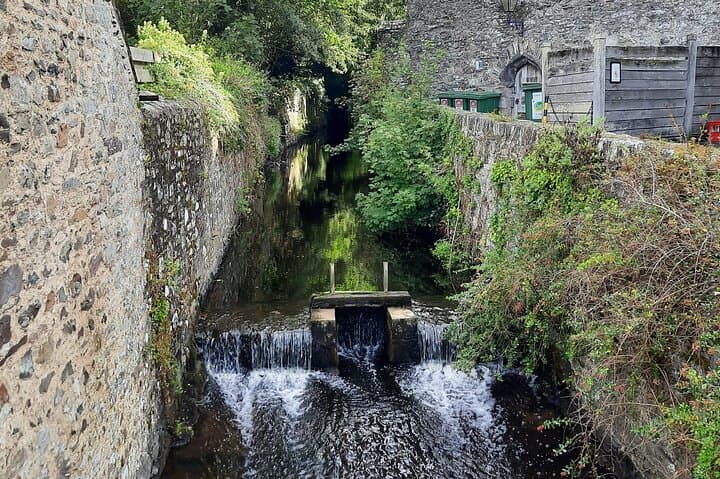
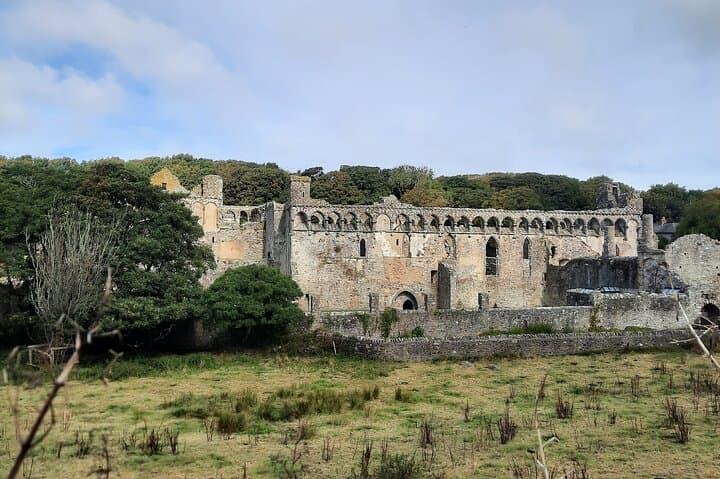
A thin breeze off St Brides Bay carries salt and seabird calls as your guide gathers the group at the War Memorial Garden in Cross Square. Cobbled lanes angle away from the square, past the church bells and through the hush around the cathedral ruins, then open to the cliff-edge where the sea pushes against Pembrokeshire’s folded Ordovician cliffs.
A thin breeze off St Brides Bay carries salt and seabird calls as your guide gathers the group at the War Memorial Garden in Cross Square. Cobbled lanes angle away from the square, past the church bells and through the hush around the cathedral ruins, then open to the cliff-edge where the sea pushes against Pembrokeshire’s folded Ordovician cliffs.
The route threads living history: 6th‑century monastic foundations tied to St David, a 14th‑century Bishop’s Palace that once housed the medieval church’s power, and small chapels like the Chapel of Our Lady and St Non that survive as weathered markers of pilgrimage. Geologically, the coast is raw—storm-cut cliffs and rocky outcrops that reveal ancient sediment and provide nesting ledges for gannets and fulmars.
Culturally the town is compact and practical—artisan galleries, cafés next to boatyards, and a community garden tucked behind cathedral walls that speaks to local stewardship. The walk shifts pace from urban history to coastal exposure: a 20‑minute cliff stroll delivers full views of Skomer and Grassholm islands on clear days, then drops to the sheltered Porthclais harbour, a medieval trading inlet now used by kayakers.
Practical guidance: allow about 1¾ hours, wear sturdy, waterproof footwear and a windproof layer, and expect uneven stone and short steep sections. Keep to marked paths to protect nesting birds and fragile cliff edges; tides and weather can change quickly so check conditions before you go. The tour is compact, interpretive, and best enjoyed with mid‑morning light and a coffee at Porthclais afterwards.